Carry-On Packing List: Bag Sizes, Clothing and Travel Costs
- Prize
- One bundle: $200 Janie and Jack gift card, Hit the Slopes Puffer Grande Duffel, Puffer Tote and Packing Squad
- Ends
- November 7, 2026 at 2:59 AM ET
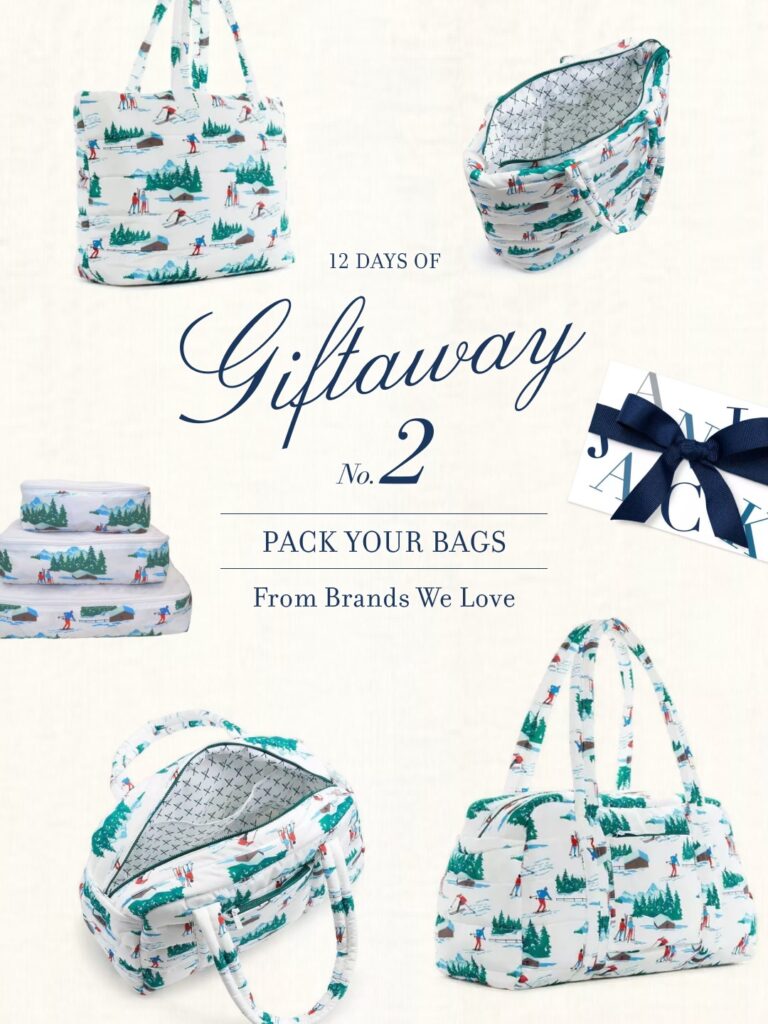
Wanna wina travel-bag bundle + $200 gift card?
One winner gets the travel-bag bundle and $200 card, advertised at over $450 together. Free Instagram actions; no purchase required. Closes November 6 at 11:59 PM PT.
Giveaway details + how to enter
A useful carry-on packing list starts with the trip, not a new suitcase. This guide connects clothing choices, bag measurements, easy access and the total cost of traveling with luggage. Janie and Jack’s separate TRVL Design promotion offers a related chance at travel bags; its entry details are in the giveaway boxes.
Build a packing list around the trip you actually booked
Start with the number of nights away, the activities on the calendar and access to laundry. A winter visit with family creates different luggage needs from a short city break or a weekend with formal events. Write down those fixed plans before placing clothing on the bed. This gives each item a reason to occupy space instead of letting the size of the bag decide how much you bring.
Choose outfits that share shoes and outer layers where practical. List the items worn on the travel day separately from those packed. Include underwear, sleepwear and any activity-specific pieces, then compare that list with the actual itinerary. An imagined extra dinner or an unlikely weather change should not automatically add an entire second wardrobe to a two-night visit.
For children, think through the daily routine rather than copying an adult list. Consider changes after messy activities, comfort items and what needs to remain easy to reach. Keep frequently needed items together so the whole bag does not need to be emptied during a stop. A smaller organized pouch can be more useful than several extra items buried at the bottom.
Make one list for shared supplies and another for personal items. Decide who brings a charger, travel documents or a particular toiletry instead of discovering duplicate supplies after arrival. If relatives already have suitable equipment at the destination, confirm that before buying a travel version. Check availability directly rather than assuming someone else will provide it.
Finish the first list before browsing new bags or accessories. Reusing a serviceable bag may leave more room in the budget for the trip itself. A useful packing list is a repeatable tool: save what worked, note what went unused and adjust it for the next destination rather than starting over with every departure.
Measure the packed bag and check the airline allowance
Before calling a tote a personal item or a duffel a carry-on, check the airline’s current dimensions and the allowance attached to your specific fare. Product names describe styles, not permission to place a bag under an aircraft seat. Measure the bag as it will travel, including handles, outside pockets and other protruding parts, and check any applicable weight limit.
A soft bag can change shape when filled. Measure it again after packing rather than relying only on the manufacturer’s empty dimensions. Avoid treating a compressible fabric as a guarantee that an oversized bag will pass a size check. Leave enough room to close zippers normally and to reach the items you will need during the journey.
The U.S. Department of Transportation’s Fly Rights guide discusses carry-on baggage and the possibility of gate checking. Use your airline’s actual instructions to plan where essentials belong. A bag that meets a published size rule does not establish that there will always be overhead space beside your seat.
Compare allowances across every segment if the itinerary involves more than one operating airline. Check the return journey too. A different aircraft, ticket or operator can change the practical plan. Keep a copy of the relevant baggage information with the booking so you can identify the allowance you reviewed rather than relying on a rule remembered from an earlier trip.
Keep the travel organizer in perspective. Packing cubes and matching pouches can make sorting easier, but they do not increase a carrier’s allowance. Test whether each organizer earns its space. A complete matching set may be attractive while a smaller selection is better for a particular bag, child or weekend itinerary.
Compare baggage costs with the cost of packing less
Write down the full travel cost before choosing a luggage strategy. Include any baggage charges shown for your fare and route, transport to the airport and necessary items that would otherwise be bought at the destination. Compare those actual costs with the effort of reducing the packing list. The cheapest advertised ticket is only one part of the journey’s total.
Use a hypothetical example to make the comparison clear: if avoiding an additional bag would save $35, buying $60 in new organizers solely to achieve that saving would not reduce this trip’s immediate spending. Those are invented numbers, not an airline quote. Reusable accessories can have value over time, but the initial cost still belongs in the current budget.
Separate consumable supplies from reusable equipment. A bag, charger and organizer may serve many trips, while a travel-size product is used up. Check what is already at home before buying duplicates. If a larger supply can remain at the destination with permission, it may simplify a repeated family visit without adding more items to every suitcase.
Review baggage charges at the point when you plan to pay them. Do not assume a fee from an old blog post applies to your booking or that a loyalty benefit covers every traveler. Where a benefit matters to the decision, verify the qualifying account, ticket and passenger details on the airline’s current site before changing the plan.
Keep a small space and spending allowance for the return journey. Gifts or purchases can make a bag harder to close than it was at departure. Decide what you are willing to bring home before shopping, and avoid assuming that another bag can be added at the same cost or with the same allowance you had outbound.
Pack for access, then review the list after the trip
Organize the bag by when items are needed. Keep the things used during transit easy to reach and group destination-only items together. A packing arrangement that photographs neatly may still be inconvenient at a busy station or hotel check-in. Test the layout with the bag closed, carried and opened in a small space before leaving home.
Place leak-prone toiletries in a suitable separate pouch and check the container closures. Review the applicable airport security rules directly for liquids and restricted items rather than assuming a bag retailer’s packing example is a complete travel checklist. Also check the transport operator’s instructions for batteries and electronic equipment you plan to carry.
Label shared pouches so another family member can find what they need without unpacking everything. Keep clothing that needs to stay clean apart from used items on the way home. A simple reusable bag may handle that task without buying a specialized organizer for every category. Choose arrangements that are easy to maintain when everyone is tired.
Before checkout from the accommodation, compare your original list with the items you can see. Check charging points, drawers and bathroom shelves. Keep the list short enough to use; an elaborate inventory that nobody opens is less useful than a practical checklist of the items most likely to be left behind.
After returning, record what was missing, unnecessary or hard to find. Note whether the bag was comfortable to carry and whether its pockets worked for the trip. Those observations create a better starting point for future luggage purchases than a product photograph alone. Let actual use guide the next change to your packing system.
Janie and Jack × TRVL Design Holiday Giveawaya travel-bag bundle + $200 gift card?
One winner gets the travel-bag bundle and $200 card, advertised at over $450 together. Free Instagram actions; no purchase required. Closes November 6 at 11:59 PM PT.
How to enter without a purchase
- Open the official Janie and Jack × TRVL Design giveaway post using the final button. Confirm you meet the U.S. and age-13+ caption conditions.
- Follow @janieandjack and @trvldesign on Instagram.
- Like and save this specific post, then comment with a holiday destination you love. These are the caption’s required actions; no friend-tag or Story-share requirement is stated.
- Complete the actions by November 6 at 11:59 PM PT (November 7 at 2:59 AM ET). The caption does not supply a numerical entry cap; do not assume unlimited repeat comments.
- Watch Instagram direct messages from the official brand if selected. The sponsor says it never requires credit-card information to participate.
Claim post tickets once per article per day. Resets at midnight Eastern.
Your official giveaway entry
Open the official post below, then complete every required entry step in its caption.
ENTER HEREOpen the official post, then follow the caption’s required entry steps.
Official rules · Sponsor rules control. Checked November 4, 2026.
Find more chances in our sweepstakes portal.
Keep going