DO YOU WANT TO WINAN OUTBACK GIFT CARD?
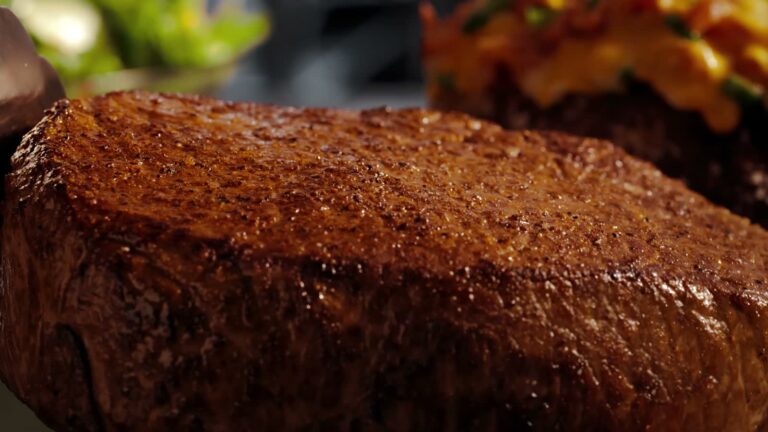
200 winners receive a $10 Outback Steakhouse gift card each; $2,000 total prize value.
Giveaway details + how to enter
Dining Out on a Budget: Plan the Whole Restaurant Bill
- Prize
- 200 winners receive a $10 Outback Steakhouse gift card each; $2,000 total prize value.
- Ends
- November 10, 2026 at 11:59 PM ET
Dining out can fit a household budget when you plan for the amount that will leave your account, not just the entrée price on a menu. Drinks, extras, tax, service charges and a planned tip can make a meaningful difference. A little preparation also helps a gift card cover part of an outing without turning it into an excuse for a much larger purchase.
This guide uses hypothetical numbers rather than promises about any restaurant’s current menu. Adjust the plan to your location and preferences. The separate AARP Outback instant-win game offers a chance at a $10 card; all entry requirements are collected in the giveaway boxes.
Start with the total you are comfortable spending
Choose an outing amount before choosing the restaurant. Think about how many people will eat, whether you want a sit-down meal or takeout and whether transportation or parking will cost extra. A total set after everyone has ordered is much harder to work with.
Read the current menu for the actual location. Prices and available combinations can vary, and an old social-media graphic is not a substitute for the local menu. Look at two or three complete orders that people would enjoy, including the side dishes that are genuinely part of the price. Check whether an upgrade adds a charge.
For a hypothetical comparison, a $40 food subtotal plus $3.20 tax and an $8 planned tip comes to $51.20. Those figures are an example, not a recommended tipping rule or a quote for your area. Add any applicable service charge separately and ask how it is handled rather than assuming it replaces another part of the bill.
If that total does not fit, change the outing while it is still easy to do so. You might choose another day, a different menu option or a less expensive restaurant. The useful decision is the complete plan you can afford and enjoy. A meal does not become a good bargain merely because one component has a large advertised discount. Leave enough room for the people attending to make a normal choice without negotiating every bite at the table.
Use gift cards as a payment tool, not a spending target
Check a gift-card balance through the issuer’s official website or the contact details on the card. Keep the card number and PIN private. An emailed image or screenshot stored in a shared family chat can expose information someone else could use. Save the legitimate redemption instructions somewhere you can find at checkout.
A $10 card applied to a hypothetical $45 bill leaves $35 to pay, assuming the entire card can be applied and no other restrictions interfere. The original bill is still $45. Keeping both numbers in mind helps you avoid calling an outing free when the card covers only a small share.
Before ordering, confirm the location accepts the card and whether you can use it through the ordering method you intend to choose. A restaurant’s direct checkout and a third-party delivery service are different systems. Do not assume a restaurant-branded card works in both. Check any restrictions that accompany a promotional credit as well.
Bring a backup payment method you can comfortably use for the expected remainder. If you have several cards, ask about combining them before the bill arrives. Retain the card and receipt until the balance looks right. A small leftover balance can go on your next planned visit; you do not need to add an unwanted item just to make the balance exactly zero. Treat an unclaimed reward or possible prize as unavailable until it has actually been delivered and can be used.
Compare restaurant offers with the meal you actually want
A percentage discount, fixed-price meal and free side can produce very different totals. Compare the same number of diners and the same ordering method. If a promotion requires an appetizer you would not otherwise buy, add that appetizer to the calculation before deciding the promotion saves money.
Read the offer’s dates and hours. Some deals apply only to dine-in service, a particular weekday or a participating location. Others require an app account or a coupon saved before ordering. Verify the conditions on the restaurant’s official page and confirm local participation if you are making a special trip.
A useful comparison has four lines: the regular complete order, the qualifying promotional order, the total after the offer and any additional costs. Include an automatic fee only when it actually applies. Do not combine discounts unless the restaurant expressly allows it. If the terms are unclear, ask staff before you place the order.
Consider whether the deal improves the occasion. A larger portion is valuable only when someone wants it or can use the leftovers. A cheaper meal across town may be less practical than a nearby option on a busy evening. The point of comparing is to choose confidently, not make dinner an exhausting scavenger hunt. Keep a short list of restaurants with menus your household reliably enjoys. Recheck their current official offers when you are ready to go, rather than collecting dozens of coupons you may never use.
Make a repeatable plan for ordinary nights and special occasions
Give restaurant spending its own place in the household budget. You can set aside a modest amount for routine takeout and a separate amount for a birthday or anniversary. That makes a special meal an intentional event instead of an unexplained jump in a normal week’s spending.
Keep a brief note after a visit: total paid, number of people, whether portions suited the group and whether any fees surprised you. This is more useful for future planning than remembering only the menu price. You do not need to track every small detail; record the information that changes your next decision.
If busy evenings regularly lead to unplanned orders, keep two easy alternatives at home. They can be meals your family already likes and knows how to prepare. Having an option does not mean you must never order out. It gives you the ability to decide whether convenience is worth the actual cost that night.
For larger groups, discuss how payment will work before ordering. Confirm whether the restaurant can split the bill and whether a group service charge applies. A clear arrangement reduces awkwardness at the end of an enjoyable evening. If someone uses a gift card, decide how that affects their contribution rather than assuming everyone shares the same understanding.
Finally, judge the outing by the whole experience and the total you willingly spent. A comfortable plan leaves room for an occasional treat while protecting money needed elsewhere. You can enjoy a restaurant meal without treating every promotion as a reason to make another visit.
AARP Rewards $10 Outback Instant Win — November 2026AN OUTBACK GIFT CARD?
200 winners receive a $10 Outback Steakhouse gift card each; $2,000 total prize value.
How to enter without a purchase
- Open the final ENTER HERE link for this Outback game’s no-points entry form. Sign into the required free AARP Rewards account.
- Provide the required name, mailing address and email, then submit your play yourself.
- Observe the one-play-per-Eastern-day limit across all methods for this game. Follow official notification and prize-claim instructions if selected.
Claim post tickets once per article per day. Resets at midnight Eastern.
Your official giveaway entry
Click below, follow the official entry steps and submit your entry.
ENTER HEREOpen the official promotion, then complete and submit your entry.
Official rules · Sponsor rules control. Checked November 6, 2026.
Find more chances in our sweepstakes portal.
Keep going