Let’s dive into an exciting gardening trend that combines sustainability, cost-effectiveness, and the promotion of vital pollinators. Discover how pollinator seed packets can help you create a vibrant and budget-friendly garden that attracts bees, butterflies, and other essential pollinators. Get ready to transform your outdoor space into a buzzing haven of beauty and ecological importance, all while saving money along the way.
Understanding the Importance of Pollinators:
Pollinators play a critical role in our ecosystems and food production, making it essential for us to grasp their importance. Bees, butterflies, hummingbirds, and other pollinators facilitate the transfer of pollen from the male parts of flowers to the female parts, enabling fertilization and the production of seeds and fruits. This process is crucial for the reproduction and genetic diversity of countless plant species.
In addition to their reproductive role, pollinators contribute significantly to the overall health and balance of ecosystems. They help in maintaining biodiversity by aiding in the pollination of wild plants, ensuring the survival of diverse plant species. This, in turn, supports other wildlife by providing them with food and habitats. The intricate web of relationships between plants and pollinators ultimately sustains the natural beauty and stability of our environment.
Unfortunately, pollinator populations have been experiencing alarming declines in recent years. Factors such as habitat loss, pesticide use, climate change, and diseases have taken a toll on these vital creatures. The consequences of dwindling pollinator populations extend far beyond the loss of individual species. It threatens the stability of ecosystems, compromises the genetic diversity of plant populations, and poses risks to global food production.
In agricultural systems, pollinators are crucial for the successful reproduction of many crops. They are responsible for pollinating a significant portion of the fruits, vegetables, nuts, and seeds that make up our diets. Without pollinators, food production would be severely impacted, leading to lower yields, reduced crop quality, and potential food shortages. The decline in pollinator populations serves as a wake-up call, highlighting the urgent need for conservation and support.
By understanding the importance of pollinators, we can work towards their conservation and the preservation of their habitats. Creating pollinator-friendly gardens and landscapes plays a vital role in providing the necessary resources, such as nectar and pollen, to sustain these creatures. It not only benefits the pollinators themselves but also enhances the beauty and biodiversity of our surroundings.
Furthermore, promoting sustainable farming practices that minimize the use of harmful pesticides and provide habitat restoration for pollinators is essential. Educating communities about the importance of pollinators and encouraging the adoption of pollinator-friendly practices can contribute to their conservation on a broader scale.
The Benefits of a Pollinator Garden:
Having a pollinator garden offers numerous advantages that go beyond mere aesthetics. Let’s explore the benefits of creating a garden that supports pollinators, including increased plant diversity, enhanced crop yields, and a healthier ecosystem.
- Increased Plant Diversity: A pollinator garden naturally attracts a wide variety of pollinators, which leads to an increase in plant diversity. Different pollinators have specific preferences for flower shapes, colors, and scents. As they visit the garden in search of nectar and pollen, they inadvertently transfer pollen between flowers, enabling cross-pollination. This cross-pollination promotes genetic diversity among plants, resulting in stronger and more resilient plant populations.
- Enhanced Crop Yields: Pollinators play a crucial role in agricultural systems, and a pollinator garden can contribute to enhanced crop yields. Many fruiting and vegetable crops rely on pollinators for successful pollination and subsequent fruit set. By attracting bees, butterflies, and other pollinators to your garden, you can increase the likelihood of successful pollination in nearby crops, leading to higher yields and better-quality produce.
- Healthier Ecosystem: A garden that supports pollinators is an integral part of a healthier ecosystem. Pollinators are key players in maintaining biodiversity as they facilitate the reproduction of numerous plant species. By ensuring the survival and proliferation of diverse plant populations, pollinators indirectly support a wide range of other wildlife that relies on these plants for food and shelter. From birds to insects, the ripple effects of a thriving pollinator garden extend throughout the entire ecosystem.
- Conservation of Native Species: Pollinator gardens can contribute to the conservation of native plant species and their associated pollinators. By incorporating native plants into your garden, you provide habitat and food sources for local pollinators. Native plants have co-evolved with native pollinators and are often better adapted to local environmental conditions. Creating a garden that focuses on native species helps preserve regional biodiversity and supports the specific pollinator species in your area.
- Visual Delight: Beyond the ecological benefits, pollinator gardens offer a visually stunning landscape. Imagine a vibrant tapestry of colorful flowers buzzing with life as butterflies flit between blossoms and bees diligently collect nectar. A well-designed pollinator garden can be a feast for the eyes, creating a serene and enchanting outdoor space. It offers an opportunity to connect with nature, observe fascinating pollinator behaviors, and appreciate the beauty of the natural world.
Introducing Pollinator Seed Packets:
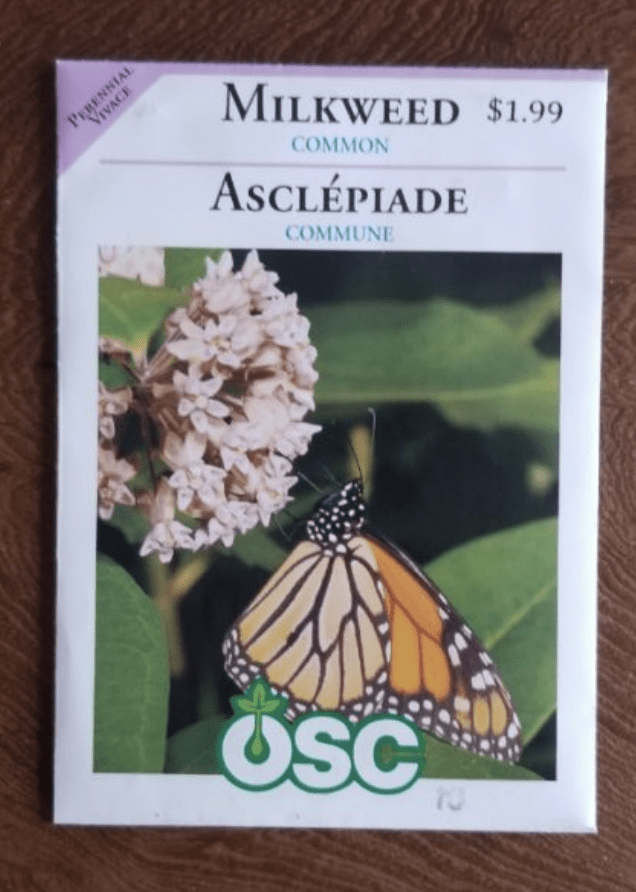
If you’re looking for an affordable and convenient way to kickstart your garden while attracting pollinators, pollinator seed packets are the perfect solution. These packets contain a diverse mix of flower seeds specifically chosen to entice and nourish pollinators such as bees, butterflies, and hummingbirds. Not only are pollinator seed packets an excellent way to support these essential creatures, but they are also cost-effective compared to buying individual seed packets or plants.
Choosing the Right Pollinator Seed Packets:
When selecting pollinator seed packets, consider factors such as your region’s climate, sunlight availability in your garden, soil conditions, and the specific types of pollinators you wish to attract. Look for packets that offer a variety of flower species with different bloom times and heights, as this will provide a continuous supply of nectar and pollen throughout the growing season. Reputable seed suppliers often offer specialized pollinator seed mixes tailored to different regions, ensuring that you have the best chances of success.
Planning and Preparing Your Pollinator Garden:
Before sowing your pollinator seeds, take the time to plan and prepare your garden space. Choose a location that receives ample sunlight, as most flowering plants thrive in full sun. Assess your soil and amend it if needed to provide a well-draining and nutrient-rich environment for your plants. Incorporate organic matter such as compost to improve soil fertility.
To attract a wide range of pollinators, aim for a diverse mix of flowering plants. Select species with different bloom times to provide a constant source of food throughout the season. Consider including plants with different heights, as this creates varied microhabitats for pollinators to explore. By providing a diverse range of flowering options, you increase the chances of attracting a multitude of pollinator species.
Planting and Nurturing Your Pollinator Garden:
Once your garden is prepared, it’s time to sow your pollinator seeds. Follow the instructions on the seed packets regarding spacing and planting depth. Keep the soil consistently moist until the seeds germinate and the plants establish themselves. As the seedlings emerge, thin them out according to the recommended spacing to provide adequate room for growth.
Regularly water your garden, particularly during dry spells, and mulch around the plants to help retain moisture and suppress weed growth. Be diligent in removing weeds that compete for resources with your pollinator plants. Protect your young seedlings from pests by using organic pest control methods or physical barriers such as netting or row covers.
Enjoying the Fruits of Your Labor:
As your pollinator garden blooms and matures, you’ll witness a vibrant display of colors and increased pollinator activity. Be prepared to be mesmerized by the fluttering wings of butterflies, the buzzing of bees, and the occasional visit from a hummingbird. Celebrate the rewards of your frugal gardening approach, knowing that you’ve created a stunning and budget-friendly outdoor space that supports local ecosystems.
Take the time to observe the different pollinator species visiting your garden and learn about their behaviors and preferences. Embrace the joy of knowing that you’ve provided a valuable habitat and food source for these vital creatures. Your pollinator garden is not only a feast for the senses but also a testament to the beauty and sustainability of nature.
Free Pollinator Seed Packets – Request Now!
Free seed packs are only available within the U.S. They will only ship one kit per household, please don’t fill out the form multiple times. Please confirm your address before submitting the form. Entries with incorrect information will not be mailed out.
Final Thoughts
Final Thoughts:
Creating a pollinator garden using seed packets is not only an economical choice but also a meaningful step towards supporting pollinators and fostering a healthier ecosystem. By choosing the right pollinator seed packets, planning and preparing your garden, and nurturing the growing plants, you can create a thriving habitat for these essential creatures.
As you enjoy the fruits of your labor, revel in the beauty of colorful blooms and the increased activity of pollinators in your garden. The satisfaction of knowing that you’ve played a part in supporting local ecosystems and preserving biodiversity is truly rewarding.
To get started on your pollinator garden journey, don’t forget to request your free pollinator seed packets from the Alternative National Park Service. These seed packets contain a selection of native wildflower seeds specifically chosen to attract and support pollinators. By incorporating these seeds into your garden, you’re taking a significant step towards creating a vibrant and sustainable haven for pollinators.
So, embrace the opportunity to cultivate a pollinator garden, and let nature’s wonders unfold before your eyes. With a little planning, patience, and care, your frugal and pollinator-friendly garden will not only provide you with a budget-friendly outdoor space but also contribute to the preservation of our natural world. Start sowing those seeds and embark on a journey that will bring joy, beauty, and a deeper connection with the delicate balance of our environment.