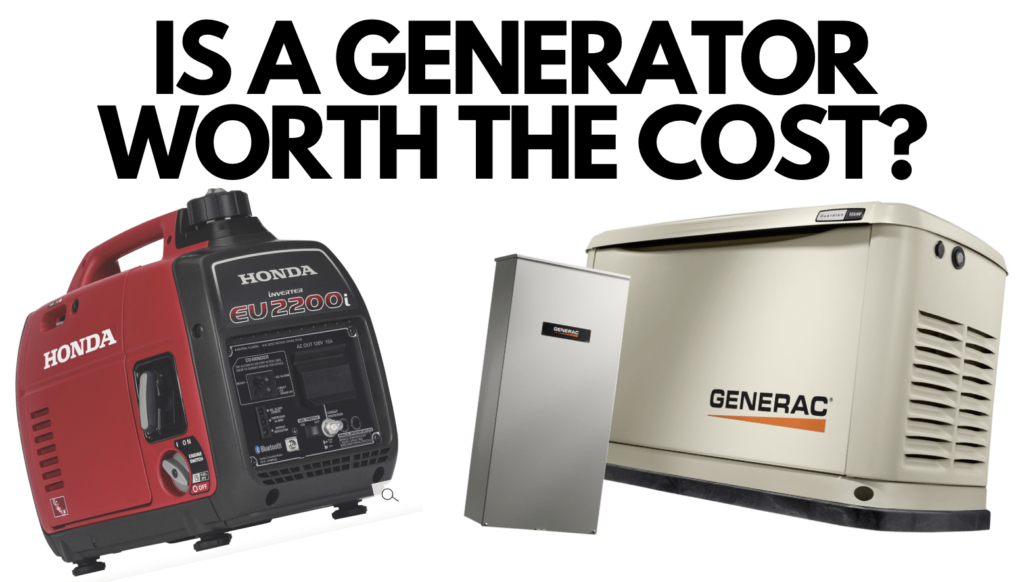
As weather patterns become more unpredictable and extreme, the likelihood of experiencing power outages increases. For many homeowners, the decision to invest in a generator becomes a critical one. In this comprehensive guide, we will explore the various types of generators, their advantages, disadvantages, and factors to consider before purchasing one. I also have some giveaways you can enter to win a free generator! By the end, you will have a better understanding of whether a generator is worth the cost for your specific needs.
Introduction to Generators
A generator is a device that converts mechanical energy into electrical energy, providing a backup power source during an outage. Generators come in various sizes and types, each catering to specific needs and requirements. As power outages become more frequent due to extreme weather conditions, investing in a generator can offer peace of mind and ensure that essential appliances and systems continue to function during a blackout.
Reasons to Consider Buying a Generator
There are several reasons why homeowners may choose to invest in a generator. These can include:
- Preventing Food Spoilage: Keeping your refrigerator and freezer running during a power outage can save you money by avoiding food spoilage.
- Maintaining Home Office Operations: If you work from home, a generator can provide the necessary power to keep your office equipment functioning.
- Supporting Medical Devices: For individuals who rely on electric medical devices, a generator can be a lifesaver during a power outage.
- Preserving Well Water Supply: Homes with well water systems may lose access to water during a power outage. A generator can ensure continuous access to clean water.
- Recreational Use: Portable generators can be useful for powering appliances and equipment during camping trips and other outdoor activities.
Types of Generators
There are three main types of generators to consider: home standby generators, portable generators, and battery backup systems.
Home Standby Generators
Home standby generators, also known as whole-house generators, are permanently installed outside your home and provide a reliable backup power source during an outage. These generators are typically connected to a natural gas line or propane tank and automatically activate when the power goes out. Home standby generators can power your entire home, making them an ideal choice for those who require uninterrupted electricity during a blackout.
Portable Generators
Portable generators are smaller, less expensive, and mobile compared to home standby generators. They can be connected to your home’s circuit breaker panel but must be manually set up and activated during a power outage. Portable generators are known to be noisy and require fuel storage, making them less convenient than home standby generators. However, they can be a more affordable option for those who only require backup power for essential appliances.
Battery Backup Systems
Battery backup systems provide a temporary power source during an outage. These systems can range from small devices that power a few appliances to large power banks that can supply energy to your entire home. Unlike gas-powered generators, battery backup systems rely on stored energy and cannot be replenished until power is restored or through solar panels. While they may offer a cleaner and quieter alternative to traditional generators, their limited capacity may not be suitable for extended power outages.
Key Factors to Consider Before Buying a Generator
Purpose and Power Needs
Before purchasing a generator, it’s essential to determine the specific purpose it will serve and the amount of power required. Will the generator be used for emergency situations only, or do you need it to power your entire home? This information will help you determine the appropriate size and type of generator for your needs.
Installation Requirements
Generators need proper installation and ventilation to function safely and efficiently. Home standby generators require professional installation by a licensed electrician and must meet local building codes. Ensure that you have adequate space in your yard for the generator, taking into consideration required clearances from walls and structures.
Price and Budget
Generators can range in price from a few hundred dollars for portable models to several thousand dollars for home standby generators. Establish a budget and consider the long-term costs of fuel, maintenance, and installation when making your decision.
Noise Levels
Generators can be noisy, with portable models often producing more noise than home standby generators. Check local noise regulations and consider the potential impact on your neighbors when selecting a generator.
Fuel Type and Storage
Most generators run on natural gas, propane, or gasoline. Each fuel type has its advantages and disadvantages, and storage requirements may vary. Consider the availability and cost of fuel in your area when selecting a generator.
Maintenance and Servicing
Generators require regular maintenance, including oil changes, filter replacements, and battery checks. Some models may perform self-diagnostic tests to ensure optimal performance. Factor in the cost and time required for proper maintenance when selecting a generator.
Pros and Cons of Home Standby Generators
Pros:
- Reliable and constant power supply
- Automatic activation during power outages
- Powers entire home
- Adds value to your home
Cons:
- Expensive upfront cost and installation
- Requires professional installation
- Takes up space in your yard
- May not be used frequently, depending on power outage frequency
Pros and Cons of Portable Generators
Pros:
- More affordable than home standby generators
- Easy to transport and set up
- Can be used for recreational purposes
Cons:
- Noisier than home standby generators
- Requires manual setup and activation during power outages
- Limited power capacity compared to home standby generators
- Requires fuel storage and proper ventilation
Battery Backup Systems: Pros and Cons
Pros:
- Quiet and environmentally friendly
- Can be used indoors
- Can be paired with solar panels for renewable energy
Cons:
- Limited power capacity compared to traditional generators
- May not provide enough power for extended outages
Safety Tips for Generator Use
- Always operate generators outdoors and away from doors, windows, and vents to prevent carbon monoxide poisoning
- Use a carbon monoxide detector in your home when operating a generator
- Store fuel safely, away from living areas and in approved containers
- Follow manufacturer guidelines for proper installation, operation, and maintenance
Adding Value to Your Home with a Generator
Investing in a home standby generator can increase your home’s value and appeal to potential buyers. A generator provides peace of mind, knowing that your home will have a reliable power source during an outage. This added value can help offset the initial cost of purchasing and installing a generator.
Enter the Generator Mart’s Spring Fling Giveaway
Ends: 6/30/2023
Eligibility: 18+
Entry Limit: One Time Entry
Prizes: Kohler 20 kW home standby generator package $6000+ value!
Enter here: Generator Mart’s Spring Fling Giveaway
Enter the Skyway to Highway 2023 Mega Summer Sweepstakes
Duration: May 18, 2023, to September 18, 2023
Eligibility: Open to legal residents of the fifty (50) United States or the District of Columbia (excluding Rhode Island, California, and any state where prohibited by law) who are at least eighteen (18) years of age at the time of entry.
Entry Limit: One (1) entry per person for the entire Sweepstakes Period.
Prizes:

Enter here: Skyway to Highway 2023 Mega Summer Sweepstakes
Making the Final Decision: Is a Generator Worth the Cost?
Determining whether a generator is worth the cost depends on your unique circumstances, power needs, and budget. If you experience frequent power outages or rely on continuous electricity for essential appliances and systems, a generator may be a worthwhile investment. Consider the pros and cons of each generator type and factor in the long-term costs of fuel, maintenance, and installation when making your decision. Ultimately, a generator can provide peace of mind and security during uncertain times, making it a valuable addition to your home.
More Ways To Score After This Post
Tap a card for more Freebie Mom finds: freebies, prize paths, cash claims, and household offers. It is fun to check, but no win, payout, or approval is guaranteed.
Freebie Mom tip: check details fast, save the post, and come back before offers disappear.