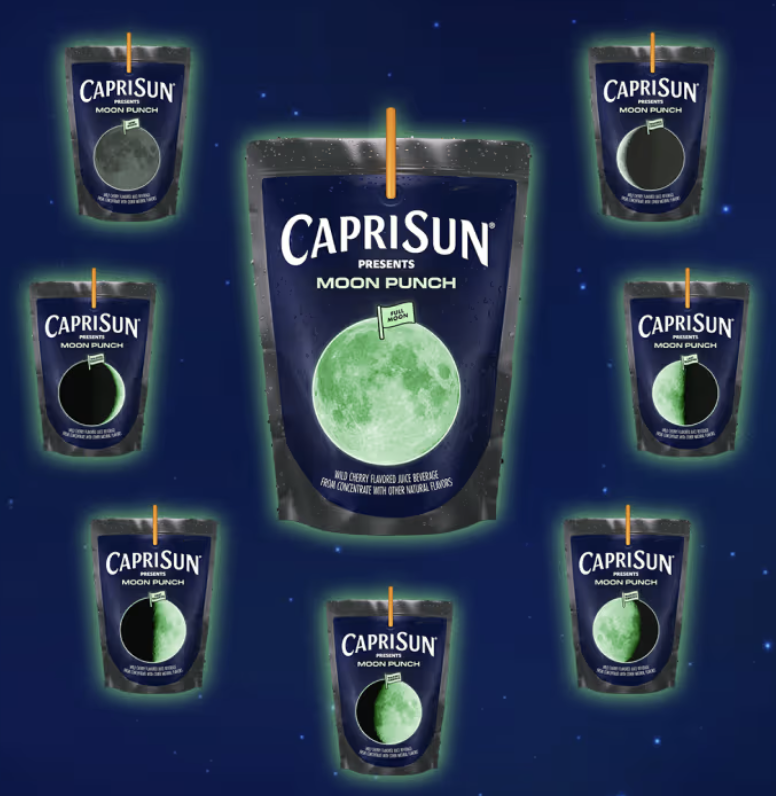
Get ready for a celestial spectacle! March’s full “Blood Worm Moon” will light up the night sky with a striking red hue during a total lunar eclipse. This event is set to take place on Thursday night, March 13, into early Friday morning, March 14, 2025. Here’s everything you need to know about when, where, and how to watch this breathtaking phenomenon.
When to See the Blood Worm Moon & Lunar Eclipse
March’s full moon reaches peak illumination at 2:55 a.m. ET on March 14. However, the total lunar eclipse begins earlier on Thursday, March 13, at 11:57 p.m. ET and will last for several hours.
Key Eclipse Phases (Eastern Time)
- 🌑 Partial Eclipse Begins: 11:57 p.m. (March 13)
- 🌕 Total Eclipse Starts: 2:26 a.m. (March 14)
- 🔴 Peak “Blood Moon” Visibility: 2:59 a.m. (March 14)
- 🌔 Total Eclipse Ends: 3:31 a.m. (March 14)
- 🌖 Partial Eclipse Ends: 4:48 a.m. (March 14)
While the full moon will technically peak early Friday, NASA notes that it will appear full from Wednesday evening through Saturday morning.
Where to See the Blood Worm Moon
The best views of this total lunar eclipse will be in North and South America, with parts of Europe and Africa catching a glimpse of the event.
For precise moonrise times in your area, check the Old Farmer’s Almanac or local weather services to ensure clear sky conditions for the best visibility.
How to Watch the Blood Moon
One of the best things about a lunar eclipse is that you don’t need any special equipment to see it! Here’s how to get the best view:
- Find a dark location away from city lights for optimal visibility.
- Binoculars or a telescope will enhance the experience.
- Check weather forecasts to make sure clouds won’t block your view.
Why Does the Moon Turn Red During a Lunar Eclipse?
During a total lunar eclipse, the Earth comes directly between the Sun and the Moon, casting its shadow over the lunar surface. Instead of disappearing, the Moon glows red due to a process called Rayleigh scattering.
Essentially, Earth’s atmosphere filters out blue light, allowing only red and orange wavelengths to reach the Moon—giving it that eerie “Blood Moon” appearance.
Why Is It Called the Worm Moon?
March’s full moon is traditionally called the Worm Moon because earthworms begin to emerge from the soil as spring nears. Other names for this moon include:
- Eagle Moon
- Goose Moon
- Crow Comes Back Moon
- Sugar Moon
- Wind Strong Moon
- Sore Eyes Moon
The Blood Worm Moon and total lunar eclipse on March 13-14, 2025, will be a stunning celestial event worth staying up for. Whether you’re an astronomy enthusiast or just love skywatching, this rare moment in the cosmos is not to be missed!