Oh, peanut butter, how I love thee. Let me count the ways… Wait, scratch that, I don’t have enough fingers. But seriously, folks, as someone who’s always been health-conscious, I know the struggle of finding healthy and delicious food options. That’s why I’m here to tell you about my favorite food that fits the bill: peanut butter! And not just any peanut butter, but natural peanut butter.
In this article, I’ll be diving deep into the world of peanut butter, and no, it’s not just a jar of sticky goo. We’re talking almond butter vs. peanut butter, the benefits of natural peanut butter, and even which peanut butter is the best for weight loss and diabetes. So whether you’re a die-hard peanut butter lover or just looking for some healthy food options, this article has got you covered. And who knows, maybe you’ll find a new appreciation for the nutty spread, or at least a newfound respect for those little peanut farmers.
Almond butter vs peanut butter: Which is better?
When it comes to nut butters, there are few options more popular than peanut butter and almond butter. But which one is better for your health?
First, let’s take a look at the nutritional differences between the two. Almond butter is typically higher in calories, fat, and protein than peanut butter, while peanut butter is higher in carbohydrates and fiber. Both are good sources of healthy fats, but almond butter has a higher percentage of monounsaturated fats, which have been linked to a reduced risk of heart disease.
So which one is better? It really depends on your individual health goals and dietary restrictions. If you’re looking for a high-protein option, almond butter might be a better choice. But if you’re watching your carb intake, peanut butter might be the way to go. Ultimately, both almond butter and peanut butter can be healthy choices when consumed in moderation.
Understanding natural peanut butter
Now let’s talk about the star of the show: natural peanut butter. So what exactly is natural peanut butter, and how is it different from regular peanut butter?
Natural peanut butter is made from just two ingredients: peanuts and salt. Regular peanut butter, on the other hand, often contains added sugars, oils, and preservatives. This means that natural peanut butter is generally healthier than regular peanut butter, as it contains fewer additives and is a good source of healthy fats and protein.
One downside to natural peanut butter is that it can be more expensive than regular peanut butter. However, many health food stores and online retailers offer affordable options that are still high-quality and free of additives.
Low calorie peanut butter: Is it worth the hype?
Another trend in the world of healthy nut butters is low calorie peanut butter. But is it really worth the hype?
Low calorie peanut butter is typically made by removing some of the fat from regular peanut butter and replacing it with ingredients like water, sugar alcohols, or artificial sweeteners. While this can make the peanut butter lower in calories, it can also make it less nutritious and potentially harmful to your health.
Additionally, many low calorie peanut butter options contain added sugars and sweeteners, which can contribute to inflammation and other health issues. So while low calorie peanut butter might be tempting for those looking to cut calories, it’s important to read the ingredients list and choose a high-quality option that’s free of additives.
Best peanut butter for weight loss: A comparative analysis
If you’re looking to lose weight, peanut butter might not be the first food that comes to mind. However, when consumed in moderation, peanut butter can actually be a healthy addition to your weight loss plan.
When choosing a peanut butter for weight loss, it’s important to look for a high-quality, natural option that’s free of added sugars and preservatives. Additionally, opting for a peanut butter that’s low in sodium can help prevent water retention and bloating.
One great option for weight loss is powdered peanut butter, which has fewer calories and fat than regular peanut butter. However, it’s important to make sure that the powdered peanut butter you choose is free of added sugars and other additives.
Best peanut butter for diabetics: What to look for?
For those with diabetes, choosing the right peanut butter can be a bit more complicated. When looking for a peanut butter that’s safe for diabetics, it’s important to choose a natural option that’s low in added sugars and has a low glycemic index.
One great option for diabetics is natural peanut butter that’s made with stevia or other natural sweeteners. Additionally, choosing a peanut butter that’s high in healthy fats and low in carbohydrates can help keep blood sugar levels stable.
Natural peanut butter vs regular: Which one should you choose?
When it comes down to it, the choice between natural peanut butter and regular peanut butter really depends on your individual health goals and dietary restrictions. While natural peanut butter is generally healthier and free of additives, regular peanut butter can still be a healthy choice when consumed in moderation.
If you’re looking for the healthiest option, natural peanut butter is the way to go. However, if you’re on a tight budget or don’t have access to natural peanut butter, regular peanut butter can still be a healthy and delicious addition to your diet.
Health benefits of natural peanut butter
Now that we’ve covered the differences between natural and regular peanut butter, let’s talk about why natural peanut butter is so good for you.
First and foremost, natural peanut butter is a great source of healthy fats and protein, which can help keep you full and satisfied throughout the day. Additionally, peanut butter is rich in fiber, which can aid in digestion and help regulate blood sugar levels.
Peanut butter is also a good source of vitamins and minerals, including vitamin E, magnesium, and potassium. These nutrients are important for maintaining healthy skin, bones, and muscles, as well as supporting overall health and wellness.
How to incorporate peanut butter into your diet
So now that you know all about the benefits of natural peanut butter, how can you incorporate it into your daily diet? Here are a few ideas:
- Spread natural peanut butter on whole grain toast or rice cakes for a quick and easy breakfast or snack.
- Add a spoonful of peanut butter to your morning smoothie for a boost of protein and healthy fats.
- Use natural peanut butter as a dip for fruits and vegetables, such as apples, carrots, and celery.
- Mix natural peanut butter with Greek yogurt for a high-protein, low-sugar snack that’s perfect for post-workout recovery.
- Use natural peanut butter as a base for homemade salad dressings, sauces, and marinades.
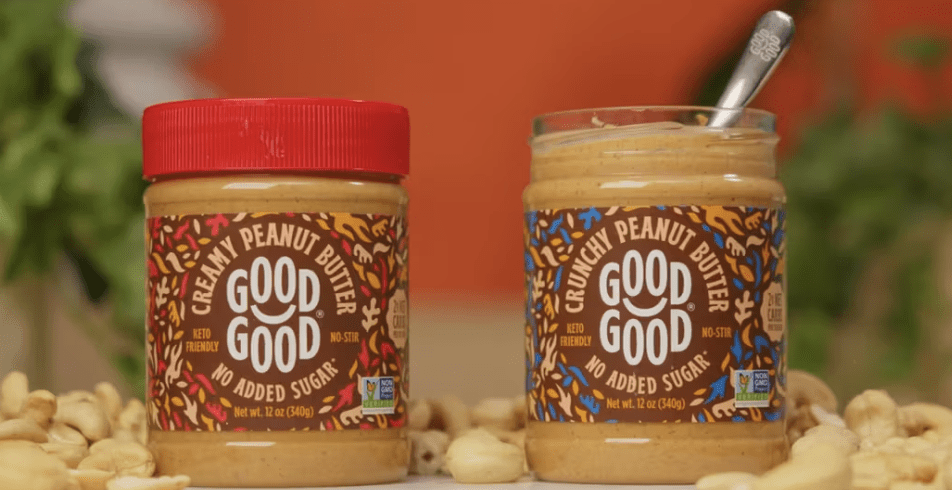
Get a Free Jar of Good Good Natural Peanut Butter
To claim a FREE jar of Natural Peanut Butter just head to the Social Nature site. Once you are on the site click the apply button for a chance to Get a voucher for 1 FREE jar of Natural Peanut Butter, 12oz (340g) with a value Up to $7.99.
Conclusion: Making the switch to natural peanut butter
In conclusion, natural peanut butter is a delicious and nutritious addition to any healthy diet. Whether you’re looking for a high-protein snack, a low-calorie option for weight loss, or a safe choice for diabetics, natural peanut butter has you covered.
So if you’re ready to make the switch to natural peanut butter, I hope this article has been helpful in guiding you towards the best options for your individual health goals and dietary restrictions. And don’t forget to take advantage of the free jar of Good Good Natural Peanut Butter – your taste buds (and your body) will thank you!