As a parent, you want your children to be healthy and happy. One of the best ways to ensure this is by teaching them healthy eating habits from a young age. While it can be challenging to get kids to eat nutritious food, it all starts with the way you shop for groceries. In this article, I will share with you five tips that will help you teach your kids healthy grocery shopping habits.
The importance of teaching healthy grocery shopping habits to kids
Teaching your kids healthy grocery shopping habits is essential for many reasons. Firstly, it helps them develop a healthy relationship with food. When your children understand the importance of eating nutritious food, they are more likely to make healthier choices as they grow up. Secondly, it helps them learn the value of money. When kids are involved in grocery shopping, they get a better understanding of how much things cost and the effort it takes to put food on the table. Finally, grocery shopping with kids can be a fun and rewarding experience. When kids are involved in the process, they are more likely to try new foods and feel empowered in their food choices.
The basics of nutrition – what a healthy diet looks like
Before you can teach your kids healthy grocery shopping habits, you need to understand what a healthy diet looks like. A healthy diet should be balanced and include a variety of foods from all the food groups. The five main food groups are fruits, vegetables, grains, protein, and dairy. It’s essential to encourage your kids to eat a variety of foods from each group to ensure they are getting all the nutrients they need.
Fruits and vegetables are an essential part of a healthy diet. They are high in vitamins, minerals, and fiber. Eating a variety of fruits and vegetables can help reduce the risk of chronic diseases such as heart disease, stroke, and some cancers. Grains such as bread, cereals, and pasta provide energy for the body. Choose whole grains over refined grains as they are more nutritious. Protein is essential for building and repairing tissues in the body. Good sources of protein include meat, fish, poultry, beans, and nuts. Finally, dairy provides calcium, which is important for strong bones and teeth.
The healthiest foods to buy for your family
When grocery shopping for your family, it’s important to choose the healthiest foods possible. Here are some of the healthiest foods you can buy for your family:
- Fresh fruits and vegetables: Choose a variety of colors to ensure your family is getting all the nutrients they need.
- Whole grains: Choose whole-grain bread, pasta, and cereals over refined grains.
- Lean protein: Choose lean cuts of meat, chicken, turkey, and fish.
- Low-fat dairy: Choose low-fat or fat-free milk, yogurt, and cheese.
- Healthy fats: Choose foods that are high in healthy fats such as nuts, seeds, avocados, and olive oil.
Tips for making grocery shopping with kids a positive experience
Grocery shopping with kids can be a challenging experience, but it doesn’t have to be. Here are some tips for making grocery shopping with kids a positive experience:
- Plan ahead: Make a list of the items you need before you go to the store. This will help you stay focused and save time.
- Set expectations: Let your kids know what you expect from them before you go to the store. This could include staying close to you, not touching items on the shelves, and not asking for treats.
- Give them a job: Give your kids a job to do while you’re at the store. This could be holding the shopping list, helping you find items on the shelves, or pushing the cart.
- Make it fun: Turn grocery shopping into a game. For example, you could challenge your kids to find the healthiest food in each food group.
- Reward good behavior: If your kids behave well at the store, reward them with a healthy treat or a small toy.
5 tips for Teaching your kids healthy grocery shopping habits
Now that you know how to make grocery shopping with kids a positive experience, here are five tips for teaching your kids healthy grocery shopping habits:
- Involve your kids in meal planning: Let your kids help you plan meals for the week. This will give them a sense of ownership over their food choices.
- Read food labels together: Show your kids how to read food labels and explain what the different terms mean. This will help them make informed choices about the food they eat.
- Let your kids choose healthy snacks: When you’re at the store, let your kids choose healthy snacks such as fruit, vegetables, and nuts.
- Cook together: Involve your kids in cooking meals. This will help them understand where food comes from and how it’s prepared.
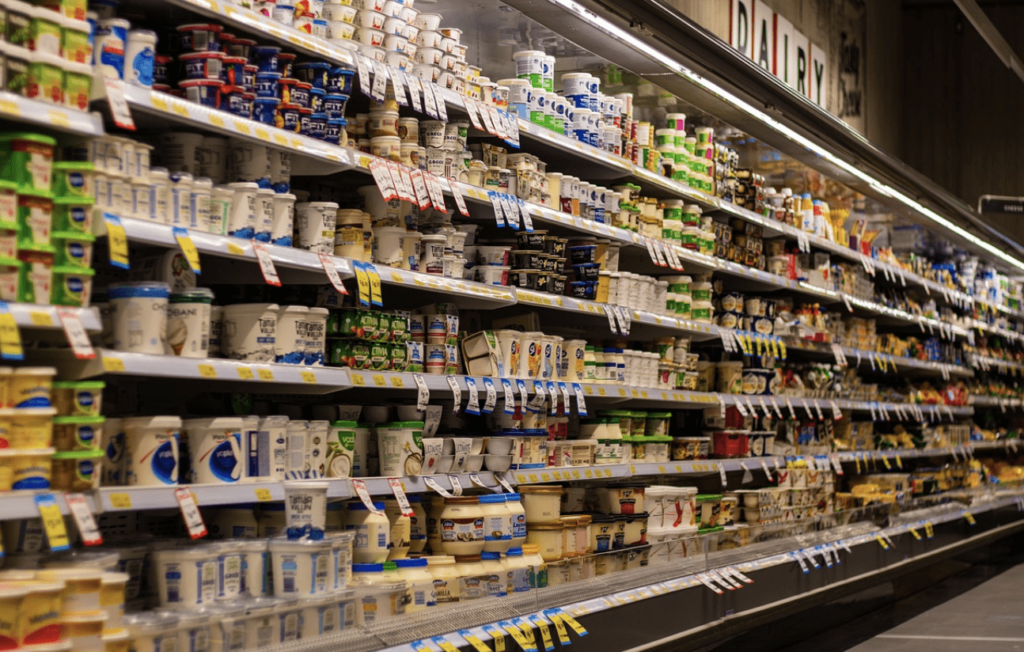
- Teach them to shop the perimeter: The healthiest foods are often found around the perimeter of the store. Teach your kids to focus on these areas when grocery shopping.
Healthy food for kids – ideas for meals and snacks
Now that you know how to teach your kids healthy grocery shopping habits, here are some ideas for healthy meals and snacks:
Breakfast
- Oatmeal with fruit and nuts
- Whole-grain toast with avocado and egg
- Greek yogurt with fruit and granola
Lunch
- Turkey and cheese wrap with vegetables
- Hummus and vegetable pita
- Grilled chicken salad with fruit and nuts
Dinner
- Grilled fish with roasted vegetables
- Chicken stir-fry with brown rice
- Vegetable lasagna with a side salad
Snacks
- Apple slices with almond butter
- Carrot sticks with hummus
- Yogurt with berries and granola
Healthy foods for toddlers – specific recommendations for this age group
Toddlers have different nutritional needs than older children and adults. Here are some specific recommendations for healthy foods for toddlers:
- Fruits and vegetables: Toddlers should aim for 1 cup of fruit and 1 cup of vegetables per day.
- Whole grains: Toddlers should eat 3-5 servings of whole grains per day.
- Protein: Toddlers should eat 2-3 servings of protein per day. Good sources of protein include meat, poultry, fish, beans, and tofu.
- Dairy: Toddlers should have 2-3 servings of dairy per day. Choose whole-milk dairy products for toddlers under 2 years old.
- Healthy fats: Toddlers should eat foods that are high in healthy fats such as avocados, nuts, and seeds.
Additional resources for learning about nutrition and healthy eating
If you want to learn more about nutrition and healthy eating, here are some additional resources:
- ChooseMyPlate.gov: This website provides information on the five food groups and how to build a healthy plate.
- The Academy of Nutrition and Dietetics: This website provides information on a variety of nutrition topics including healthy eating for kids.
- Cooking Light: This website provides healthy recipes and cooking tips.
Enter to win free grocery gift cards!
Enter the Kidoodle.TV Grocery Giveaway
End Date & Time: 11:59:59 p.m. MT on December 31, 2023.
Eligibility: Legal residents of the 50 United States and the District of Columbia (excluding New York and Florida) and the District of Columbia, and Canada (excluding Quebec) who have reached the legal age of majority in their state/province/territory of residence and are located in the Territory at the time of entry.
Entry Limit: One (1) Online Entry per person/email address.
Prizes: Four (4) Grand Prizes (1 per Drawing): Twelve (12) grocery gift cards valued $834 for a total of $10,000+
Conclusion – the long-term benefits of teaching healthy habits early on
Teaching your kids healthy grocery shopping habits is an investment in their future. When kids learn the importance of eating nutritious food from a young age, they are more likely to make healthy choices as they grow up. By following the tips in this article, you can help your kids develop a healthy relationship with food and set them up for a lifetime of good health.