DO YOU WANT TO WIN $5,200 in grocery gift cards?
$5,200 in this regional prize pool. December 26, 2026 at 11:59:59 PM Eastern. This is one of four separate regional sweepstakes. The form assigns entries by state of residence; no store visit, purchase or loyalty-card purchase is required for free online entry.
Giveaway details + how to enter
Ohio Grocery Budget: Pantry Planning and Store Gift Cards
- Prize
- 1 winner receives 52 $100 grocery gift cards ($5,200 per winner)
- Ends
- December 26, 2026 at 11:59 PM ET
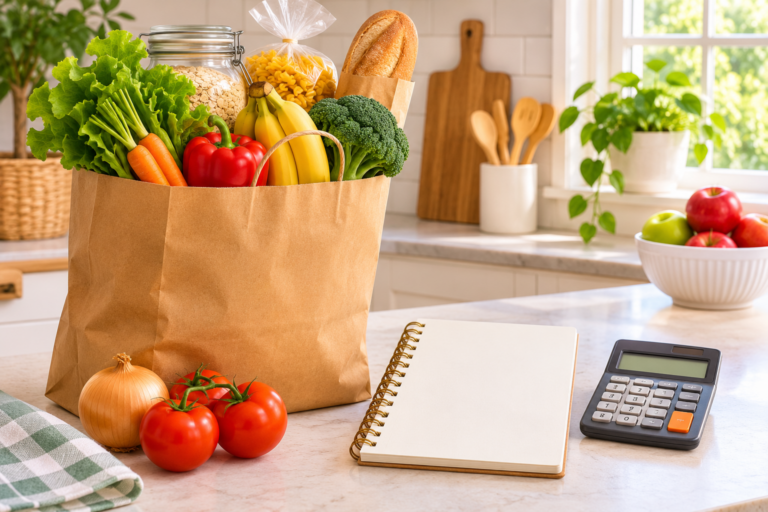
A grocery plan works best when meals, package sizes and available storage are considered together. Start with food you already have, identify the gaps and compare the complete basket before adding sale items. This guide explains a repeatable way to make those choices without depending on a future prize.
SpartanNash Season of Giving — Ohio Sweepstakes offers 1 winner receives 52 $100 grocery gift cards ($5,200 per winner). $5,200 in this regional prize pool. This is one of four separate regional sweepstakes. The form assigns entries by state of residence; no store visit, purchase or loyalty-card purchase is required for free online entry. The listed deadline is December 26, 2026 at 11:59:59 PM Eastern. Eligibility: Ohio residents age 18+. The free entry limit is Unlimited eligible manual online entries.
Keep two lists while reading: the choices that would make your own plan more useful, and the conditions that belong to this particular promotion. A purchase should make sense on its own. Entering a drawing does not reserve a product, create a card balance or pay an expense in advance. If you are selected, review the actual award and its conditions before making related commitments.
The opening ENTER HERE button takes you to the full entry section on this page. The final official button opens the sponsor destination or the stated email template; you still complete the entry yourself. The guide is separate from that process. Any Freebie Mom Entry Tickets you claim are also separate and do not count as sponsor entries or improve your odds in the featured promotion.
Build a grocery plan around meals you will actually make
A grocery budget starts with the meals your household needs before the next shopping trip. Count the breakfasts, packed lunches, dinners and snacks you expect to serve. Include the evenings when nobody has time for a long recipe. A plan that depends on cooking from scratch every night can produce an expensive second round of takeout when the week gets busy.
Look through the refrigerator, freezer and cupboards before writing the list. Choose a few meals that use ingredients already available, then add only the missing pieces. Keep the inventory simple: an open bag of rice, vegetables that need using, a frozen main ingredient and a breakfast item may be enough to shape several meals. You do not need a perfect pantry spreadsheet to begin.
Give the shopping trip a spending limit and separate everyday groceries from optional treats or special-event supplies. If your example limit is $100, a $15 seasonal addition leaves $85 for everything else. That arithmetic is a planning example, not an estimate of what groceries should cost for your household. Local prices and the number of people eating will change the total.
Make the list usable in the store. Group similar items, mark flexible choices and identify anything that can wait. Before adding an unplanned purchase, decide which planned item it replaces. This keeps the budget tied to real meals instead of turning a discount display into a second shopping list.
Compare package prices without creating expensive leftovers
Compare similar products using a common unit, such as price per ounce, pound or item. Check that the comparison makes sense: a concentrated product, a drained weight and a ready-to-eat portion may require different calculations. The lowest shelf price does not always provide the amount your meal needs, and the largest package is not automatically the best purchase.
For a hypothetical comparison, a 16-ounce package priced at $4 costs 25 cents per ounce. A 24-ounce package at $5.40 costs 22.5 cents per ounce. The larger option has a lower unit price, but saves money only if the household uses enough of it. Paying for eight extra ounces that go unused can erase the apparent advantage.
Check the final basket rather than relying on the sale headline. A multi-buy offer, minimum-spend coupon or delivery threshold can encourage purchases you did not intend. Work out the total with and without the promotion. Keep optional loyalty enrollment separate from a decision to buy additional products, and review the current offer terms before assuming a discount applies.
Leave room for practical preferences. A package that is easier to portion or prepare may fit your week better than a cheaper alternative that needs extra work. Write down which substitutes your household accepts so you can respond to actual shelf prices without abandoning the menu. Value includes both the price and the chance that the food will be used.
Organize the kitchen so purchases turn into meals
Put newly purchased groceries where they can be found and used. Keep a short list of opened ingredients and planned meals somewhere visible. A container at the back of a crowded refrigerator is easy to forget, even if it was purchased at an excellent price. Organization helps connect the money spent at checkout with what eventually reaches the table.
Choose storage containers and portion sizes that suit your space. Follow product packaging and official food-storage guidance for temperature, handling and use-by instructions. Do not assume that every food can be frozen or kept for the same length of time. The useful budgeting habit is to plan how an item will be stored before buying more than you can use immediately.
Plan an adaptable meal for the end of the shopping cycle. Depending on the ingredients and their condition, that might be a pasta dish, a grain bowl or another familiar recipe your household already makes. Avoid buying several new ingredients simply to rescue one leftover item. A simple plan is easier to repeat than a complicated recipe built around an accidental surplus.
Review what was actually eaten before the next trip. If one snack always disappears and another repeatedly remains unopened, adjust the quantities. Track a few high-impact changes rather than every teaspoon. A weekly note about unused produce, duplicate pantry purchases or forgotten lunch supplies can make the following list more accurate without turning meal planning into a second job.
Give grocery gift cards a specific job
A grocery gift card is easiest to manage when it has a clear purpose. You might assign it to one regular shopping trip, pantry staples or part of a holiday meal. Check the permitted stores, redemption conditions and remaining balance through the issuer's official channels. A store-specific card cannot be treated as cash available at every supermarket.
Keep receipts and maintain a simple balance note. If a purchase exceeds the card balance, ask about the store's payment process before checking out. Online and in-store systems may handle partial balances differently. Do not share card numbers or security details in a public comment, and be cautious about unfamiliar balance-check links sent through messages.
Treat a prize described as groceries for a year according to its actual award. A fixed package of gift cards has a defined dollar value; it does not promise to pay every food bill for twelve months. Household size, store availability and shopping choices determine how far the award goes. Build your normal budget without assuming you will win.
The featured promotion below is an optional chance to help with those costs. Review the residency rules and the no-purchase entry method, then submit your own sponsor entry if eligible. Reading a shopping guide, scrolling through it or receiving Freebie Mom Entry Tickets does not enter the sponsor's drawing. The final section keeps those entry instructions separate from your ordinary grocery decisions.
SpartanNash Season of Giving — Ohio Sweepstakes$5,200 in grocery gift cards?
This is one of four separate regional sweepstakes. The form assigns entries by state of residence; no store visit, purchase or loyalty-card purchase is required for free online entry.
How to enter without a purchase
- Open the official no-purchase form below. Enter your own first and last name, email and phone, select your true state of residence and preferred store.
- Read the rules and complete the required acknowledgment and any human verification yourself. Submit the form; do not use scripts, multiple identities or automated entries.
- The sponsor permits repeated eligible manual form submissions with no overall limit. Your entries go only into the regional pool corresponding to your residence.
- Random regional drawings are scheduled around January 5, 2027. Respond within three calendar days if notified and complete the sponsor’s verification. One grand prize per person and household.
Claim post tickets once per article per day. Resets at midnight Eastern.
Your official giveaway entry
Click below, follow the official entry steps and submit your entry.
ENTER HEREOpen the official promotion, then complete and submit your entry.
Official rules · Sponsor rules control. Checked November 2, 2026.
Find more chances in our sweepstakes portal.
Keep going