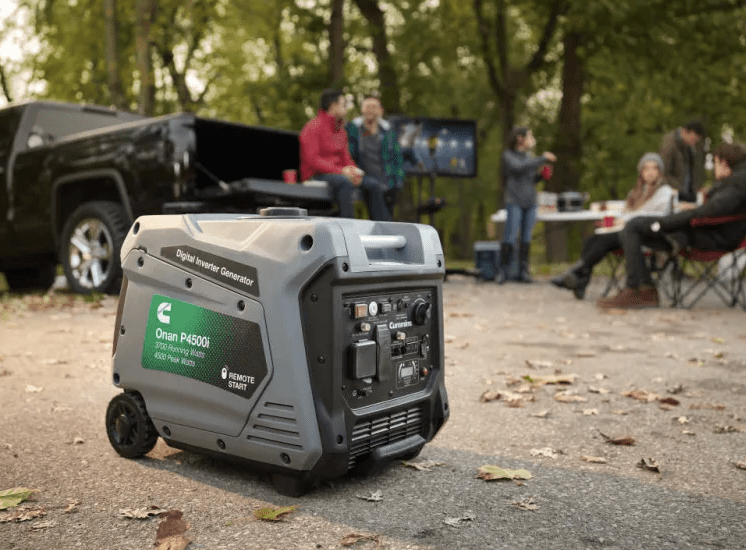
Portable generators have become increasingly popular in recent years as a reliable source of backup power. Whether you live in an area prone to power outages or enjoy outdoor activities such as camping or tailgating, owning a portable generator can provide numerous benefits. In this article, we will explore the pros and cons of owning a portable generator, factors to consider when choosing one, various types available, common uses, safety tips, and maintenance and care. By the end, you’ll have a clear understanding of whether owning a portable generator is worth it for you.
Pros of Owning a Portable Generator
There are numerous advantages to owning a portable generator. First and foremost, it provides peace of mind during power outages. When the grid fails, a portable generator can keep essential appliances and devices running, ensuring your safety and comfort. It can power your refrigerator, sump pump, heating system, or even medical equipment, depending on its capacity.
Furthermore, portable generators offer flexibility and convenience. They are designed to be easily transported, allowing you to take them wherever power is needed. Whether you’re going camping, hosting an outdoor event, or working on a remote job site, a portable generator can provide the electricity you require. Additionally, they come in various sizes and power outputs, allowing you to choose one that suits your specific needs.
Another advantage is the cost-effectiveness of portable generators. While they may have an upfront cost, they can save you money in the long run by preventing food spoilage during power outages, reducing the risk of frozen pipes, and eliminating the need for expensive hotel stays during extended blackouts.
Cons of Owning a Portable Generator
Despite their benefits, portable generators also have their drawbacks. One significant disadvantage is the noise they produce. Most portable generators operate using internal combustion engines, which can be quite loud. While newer models are designed to minimize noise levels, they still generate a certain amount of sound, which can be bothersome, especially in residential areas or during quiet outdoor activities.
Another consideration is the maintenance and fuel requirements of portable generators. They need regular maintenance, including oil changes, filter replacements, and spark plug checks, to ensure optimal performance. Additionally, portable generators typically run on gasoline or diesel fuel, which means you need to have a steady supply on hand. Storing fuel safely can be a challenge, and it adds an extra cost to owning and operating a portable generator.
Lastly, safety is a crucial concern when using a portable generator. Improper use can lead to carbon monoxide poisoning, electric shock, or even fire hazards. It is essential to follow safety guidelines, such as keeping the generator outdoors and away from windows, using heavy-duty extension cords, and never overloading the generator.
Factors to Consider When Choosing a Portable Generator
When selecting a portable generator, several factors should be taken into account. First, determine your power requirements. Calculate the wattage needed to run your essential appliances and devices simultaneously. This will help you choose a generator with the appropriate power output.
Consider the runtime of the generator as well. How long do you need it to operate without refueling? Some generators have larger fuel tanks, allowing for longer runtimes. Additionally, look for generators with fuel efficiency features to maximize the time between refills.
Portability is another factor to consider. If you plan to move the generator frequently, choose a model with handles and wheels for easy transportation. On the other hand, if you primarily need backup power at home, a stationary standby generator may be a better option.
Noise level is another consideration, especially if you live in a noise-sensitive area. Look for generators with noise reduction technology or choose an inverter generator, which tends to be quieter than traditional models.
Lastly, consider your budget. Portable generators come in a wide price range, depending on their power output and features. Set a budget and prioritize the features that are most important to you.
Types of Portable Generators Available
Portable generators come in various types, each with its own unique characteristics. The most common types include conventional generators, inverter generators, and solar generators.
Conventional generators are the traditional type, using an internal combustion engine to generate electricity. They are typically more affordable but tend to be louder and less fuel-efficient than other types. However, they offer higher power outputs, making them suitable for larger appliances and tools.
Inverter generators, on the other hand, are known for their quiet operation and fuel efficiency. They use advanced technology to produce clean and stable power, making them safe for sensitive electronics such as laptops or smartphones. Inverter generators are generally more expensive but offer greater versatility and convenience.
Solar generators are gaining popularity due to their eco-friendly nature. They harness energy from the sun and convert it into electricity. Solar generators are silent, require minimal maintenance, and do not produce any emissions. However, they have lower power outputs and rely on sunlight availability, making them more suitable for charging small devices or powering low-energy appliances.
Benefits of a Small Portable Generator
Small portable generators offer unique advantages compared to their larger counterparts. One significant benefit is their compact size and lightweight design, which makes them highly portable and easy to transport. Whether you’re going on a camping trip or hosting an outdoor event, a small portable generator can provide the necessary power without taking up much space.
Another advantage of small portable generators is their fuel efficiency. Due to their lower power output, they consume less fuel, allowing for longer runtimes and fewer refills. This can be particularly beneficial during extended power outages or situations where a fuel supply may be limited.
Small portable generators are also more affordable than larger models, making them accessible to a broader range of users. If you have limited power needs or are on a tight budget, a small portable generator can provide reliable backup power without breaking the bank.
Common Uses for Portable Generators
Portable generators have a wide range of applications, making them versatile tools for both residential and outdoor use. One common use is during power outages. When the grid fails, a portable generator can keep essential appliances running, ensuring you have access to lights, refrigeration, heating or cooling, and communication devices.
Portable generators are also popular among outdoor enthusiasts. They provide power for camping trips, allowing you to operate lights, charge devices, or run small appliances. They are also handy for tailgating events, where you can power grills, coolers, or entertainment systems.
In addition, portable generators are frequently used in construction or job sites where access to electricity may be limited. They can power tools, lighting equipment, or other machinery, improving productivity and reducing downtime.
Lastly, portable generators are valuable in remote areas or off-grid living situations. Whether you have a cabin in the woods or a tiny house on wheels, a portable generator can provide the necessary power for your daily needs.
Safety Tips for Using a Portable Generator
While portable generators offer numerous benefits, it is crucial to prioritize safety when using them. Here are some essential safety tips to keep in mind:
- Always operate the generator outdoors in a well-ventilated area to prevent carbon monoxide buildup.
- Keep the generator away from windows, doors, and vents to avoid exhaust fumes entering your home or living space.
- Use heavy-duty extension cords specifically designed for outdoor use to connect appliances to the generator.
- Never overload the generator by plugging in too many devices, as it can damage the generator and pose a fire hazard.
- Ensure the generator is properly grounded to prevent electric shock or damage to connected devices.
- Turn off the generator and let it cool down before refueling to avoid fuel spills or contact with hot surfaces.
- Regularly inspect the generator for any signs of damage or wear and tear. Replace faulty parts or seek professional assistance if needed.
- Familiarize yourself with the generator’s user manual and follow all instructions and safety guidelines provided by the manufacturer.
By following these safety tips, you can enjoy the benefits of a portable generator while minimizing the associated risks.
Maintenance and Care for Portable Generators
Proper maintenance and care are essential for ensuring the longevity and optimal performance of your portable generator. Here are some key maintenance tasks to keep in mind:
- Regularly check the oil level and change it as recommended by the manufacturer. This will help keep the engine running smoothly and prevent damage.
- Replace the air filter periodically to maintain proper airflow and prevent debris from entering the engine.
- Inspect and clean the spark plug regularly. A dirty or faulty spark plug can affect the generator’s starting ability and overall performance.
- Keep the generator clean by removing any dirt or debris that may accumulate on the exterior or cooling vents.
- Store the generator in a dry and secure location when not in use to protect it from the elements and potential theft.
- Test the generator periodically to ensure it starts easily and produces the expected power output.
- If you’re unsure about any maintenance tasks or need assistance, consult the generator’s user manual or contact a qualified technician.
By maintaining your portable generator properly, you can extend its lifespan and have a reliable backup power source whenever it’s needed.
Enter to Win a Generator Now! Generator Mart End Of Summer Bash
Enter for a chance to win one of 5 Cummins P4500I Portable Generators ($1,267 Value). It’s all part of the End Of Summer Bash. EARN EXTRA ENTRIES via social media actions. Your initial entry will add your e-mail to our newsletter. Deadline to enter is the first weekend of Fall. The Bash will conclude Sept. 24 at midnight MST.
Enter here: Generator Mart End Of Summer Bash and if you are interested in entering more sweepstakes check out the Freebie Mom Sweepstakes List
Conclusion: Is Owning a Portable Generator Worth It?
Owning a portable generator can provide numerous benefits, such as peace of mind during power outages, flexibility and convenience, and cost-effectiveness. However, it’s important to consider the cons, including noise levels, maintenance requirements, and safety concerns. When choosing a portable generator, factors like power requirements, runtime, portability, noise level, and budget should be taken into account. There are various types of portable generators available, each with its own unique characteristics. Small portable generators offer the advantages of compactness, fuel efficiency, and affordability. Common uses for portable generators include powering essential appliances during outages, outdoor activities, construction sites, and off-grid living. Safety tips should be followed to prevent accidents, and regular maintenance is necessary to ensure optimal performance and longevity. Ultimately, the decision to own a portable generator depends on individual needs and circumstances. By considering all aspects and conducting thorough research, you can determine whether owning a portable generator is worth it for you.