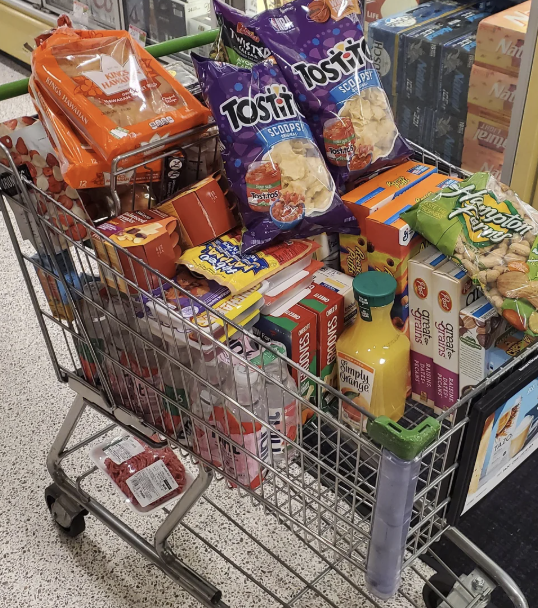
Smart Grocery Shopping: Strategies for Saving Money While Eating Well
Grocery shopping represents one of the largest recurring expenses for households, yet strategic approaches can dramatically reduce costs while maintaining or improving nutritional quality. Rising food prices challenge family budgets, making efficient shopping essential for financial health. However, saving money need not mean sacrificing nutrition or enjoyment—thoughtful planning, smart purchasing decisions, and understanding food systems allow shoppers to maximize value while supporting health goals. This comprehensive guide explores proven strategies for reducing grocery expenses, from meal planning and seasonal shopping to understanding unit prices and minimizing waste. Plus, discover the iHeart Fresh from Florida Grocery Giveaway where you could win $100 gift cards to stock your kitchen with quality ingredients!
The Foundation: Meal Planning and List Making
Meal planning represents the single most effective strategy for reducing grocery costs while improving dietary quality. Planning meals for the week ahead allows strategic purchasing, reduces impulse buying, and minimizes food waste. Begin by inventorying existing pantry items, refrigerator contents, and freezer stock to avoid duplicate purchases and utilize ingredients before expiration. Consider family schedules, identifying busy evenings requiring quick meals versus leisurely days accommodating more elaborate cooking. Plan meals around ingredients already on hand, supplementing with strategic purchases rather than buying entirely new ingredient sets for each meal. This approach reduces overall spending while ensuring variety and nutrition.
Create detailed shopping lists organized by store sections—produce, dairy, meat, pantry staples—streamlining shopping trips and reducing time spent wandering aisles where impulse purchases lurk. Stick to the list religiously, resisting temptation from end-cap displays and checkout lane snacks designed to encourage unplanned spending. However, maintain flexibility for exceptional deals on staple items or quality ingredients at reduced prices. Many successful budget shoppers use apps or digital tools for list management, allowing family members to add items throughout the week and providing easy reference while shopping. The discipline of list-based shopping combined with meal planning creates powerful synergy, dramatically reducing grocery expenses while improving meal quality and reducing decision fatigue about what to prepare for dinner.
Understanding Unit Prices and Value
Unit pricing—cost per ounce, pound, or standardized measure—provides the most accurate comparison between products of different sizes and brands. Shelf tags in most stores display unit prices alongside total prices, though careful examination proves necessary as formatting varies. Larger packages typically offer lower unit prices, but only provide value if the quantity can be consumed before spoilage. Compare unit prices across brands, often finding store brands offering identical quality at significantly lower prices than national brands. However, quality matters—cheaper products requiring larger quantities to achieve desired results may not represent true savings. Evaluate unit prices alongside quality considerations, purchasing the best value rather than simply the lowest price.
Seasonal and Local Produce: Maximum Flavor, Minimum Cost
Purchasing produce in season delivers superior flavor, better nutrition, and significantly lower prices compared to out-of-season alternatives requiring long-distance shipping. Summer tomatoes, winter squash, spring asparagus, and fall apples each peak during specific seasons when local abundance drives prices down while quality soars. Learn regional growing seasons, planning meals around available produce rather than forcing recipes requiring expensive imported ingredients. Farmers markets often provide excellent value for seasonal produce, particularly near closing time when vendors reduce prices rather than transport unsold goods home. However, compare farmers market prices with grocery stores, as premium positioning sometimes results in higher costs despite local sourcing.
Florida agriculture produces exceptional citrus, strawberries, tomatoes, peppers, and countless other crops, with Fresh from Florida labeling identifying locally grown products. Supporting local agriculture often provides fresher products with superior flavor while reducing environmental impact from transportation. Seasonal eating requires flexibility and creativity—rather than following recipes rigidly, adapt based on available ingredients, substituting seasonal alternatives for out-of-season produce. This approach not only reduces costs but creates natural variety throughout the year, preventing menu monotony while celebrating regional agricultural strengths. Preserve seasonal abundance through freezing, canning, or dehydrating, extending availability and locking in peak-season prices for year-round enjoyment.
Strategic Protein Purchasing
Protein typically represents the most expensive component of meals, making strategic purchasing essential for budget management. Whole chickens cost significantly less per pound than pre-cut pieces, with home butchering requiring minimal skill and providing bones for stock. Larger cuts of meat including whole pork loins, beef roasts, and whole fish offer better value than pre-portioned options, with home processing allowing customized sizes and multiple meal preparations. Purchase meat on sale in bulk, freezing portions for future use—proper wrapping prevents freezer burn and maintains quality for months. Mark packages with contents and dates, rotating stock to ensure consumption while fresh.
Store Brands and Generic Products
Store brands and generic products often match or exceed national brand quality while costing twenty to forty percent less. Many store brands are manufactured by the same companies producing national brands, with identical formulations sold under different labels. Blind taste tests frequently reveal no discernible difference between store and national brands, with packaging and marketing accounting for price premiums rather than quality differences. Start by trying store brands for staple items including flour, sugar, canned goods, and frozen vegetables where quality variations prove minimal. Gradually expand to other categories, identifying products where store brands meet your standards.
However, some products justify premium pricing through superior quality, unique formulations, or specific attributes unavailable in generic alternatives. Evaluate each category individually rather than assuming all store brands provide equal value. Many shoppers develop hybrid approaches, purchasing store brands for most items while selecting national brands for specific products where quality differences matter. This balanced strategy maximizes savings while maintaining satisfaction with key items. Additionally, warehouse clubs offer their own premium store brands combining quality with competitive pricing, though membership costs require sufficient purchasing volume to justify annual fees.
Coupons, Sales, and Loyalty Programs
Strategic coupon use and sale shopping can dramatically reduce grocery expenses, though time investment and organizational requirements deter some shoppers. Digital coupons through store apps and manufacturer websites provide convenient savings without physical clipping, automatically applying discounts at checkout. Stack manufacturer coupons with store sales for maximum savings, purchasing items at their lowest prices and stocking up for future use. However, avoid purchasing unnecessary items simply because coupons or sales exist—true savings come from reduced spending on needed items, not increased spending on bargains you wouldn’t otherwise buy.
Minimizing Food Waste
American households waste approximately thirty to forty percent of purchased food, representing hundreds or thousands of dollars annually thrown away. Reducing waste provides immediate budget relief while supporting environmental sustainability. Proper food storage extends shelf life—learn which produce requires refrigeration versus counter storage, how to store leafy greens for maximum freshness, and optimal freezer packaging techniques. Use transparent containers for leftovers, ensuring visibility and preventing forgotten meals from spoiling in refrigerator corners. Implement first-in-first-out rotation, moving older items forward and placing new purchases behind existing stock.
Plan specific meals using ingredients nearing expiration rather than allowing waste. Vegetable scraps, meat bones, and herb stems create flavorful stocks rather than garbage. Overripe fruit transforms into smoothies, baked goods, or compotes. Stale bread becomes croutons, breadcrumbs, or bread pudding. Creative cooking and flexible meal planning prevent waste while encouraging culinary experimentation. Composting unavoidable food waste returns nutrients to soil rather than sending organic matter to landfills, though prevention remains preferable to composting. Track wasted food for several weeks, identifying patterns and adjusting purchasing habits accordingly—this awareness often reveals surprising waste sources and motivates behavioral changes.
Batch Cooking and Meal Prep
Batch cooking and advance meal preparation reduce daily cooking time while improving portion control and reducing reliance on expensive convenience foods or restaurant meals. Dedicate several hours weekly to preparing multiple meals, cooking large batches of staples including grains, beans, proteins, and sauces for assembly throughout the week. Portion meals into individual containers for grab-and-go convenience, preventing rushed mornings or busy evenings from derailing healthy eating plans. Freeze portions for variety, rotating between fresh and frozen prepared meals to prevent menu fatigue.
Shopping Strategies and Store Selection
Different store formats offer distinct advantages—traditional supermarkets provide variety and convenience, discount grocers offer lower prices on limited selections, warehouse clubs deliver bulk savings, and specialty stores excel in specific categories. Many successful budget shoppers split purchasing across multiple stores, buying produce at farmers markets, staples at discount grocers, and specialty items at traditional supermarkets. However, time and transportation costs factor into true savings calculations—multiple shopping trips consume time and fuel that may offset price differences. Evaluate your circumstances, determining optimal shopping patterns balancing price, convenience, and time investment.
Shop alone when possible, as companions—particularly children—increase impulse purchases and distraction from planned shopping. Avoid shopping while hungry, as appetite drives poor decisions and unnecessary purchases. Shop during off-peak hours for better selection, shorter lines, and reduced stress enabling thoughtful decision-making. Many stores mark down perishables nearing sell-by dates during specific times—learn your store’s schedule for maximum savings on meat, dairy, and bakery items. These marked-down products offer identical quality with imminent use required, perfect for immediate consumption or freezing. Strategic timing and focused shopping create significant savings without requiring extreme couponing or excessive time investment.
Pantry Staples and Bulk Buying
Maintaining well-stocked pantries with versatile staples enables flexible meal preparation while reducing per-meal costs. Rice, pasta, beans, lentils, canned tomatoes, oils, vinegars, and spices form foundations for countless meals at minimal cost. Purchase these items in bulk when on sale, storing properly for extended shelf life. Whole grains, nuts, and seeds require cool, dark storage or refrigeration to prevent rancidity, while properly stored dried beans and pasta remain viable for years. Invest in quality storage containers protecting against moisture and pests while maintaining organization and visibility.
You Made It! Enter the Sweepstakes Below
Prize Details
- Total Winners:
- 50 winners
- Prize:
- $100 pre-paid gift card each
- Total Prize Value:
- $5,000 (50 x $100)
- Prize Provider:
- Unified Partnerships
How to Enter
- Basic Entry:
- Visit participating iHeart station website and complete entry form (name, email, phone, DOB)
- Entry Limit:
- One entry per person/email/household per day
- Bonus Entries:
- Visit followfreshfromflorida.com (1 entry), Follow @freshfromflorida on Instagram (1 entry)
- Drawing Date:
- On or about January 26, 2026
Eligibility & Period
- Eligibility:
- Legal US residents of Alabama, Georgia, and Florida, 18+ (19+ in AL)
- Sweepstakes Period:
- January 12 – January 25, 2026 (11:59:59 PM ET)
- Sponsor:
- iHeartMedia + Entertainment, Inc.
- Winner Notification:
- Via email/phone within 24 hours of drawing