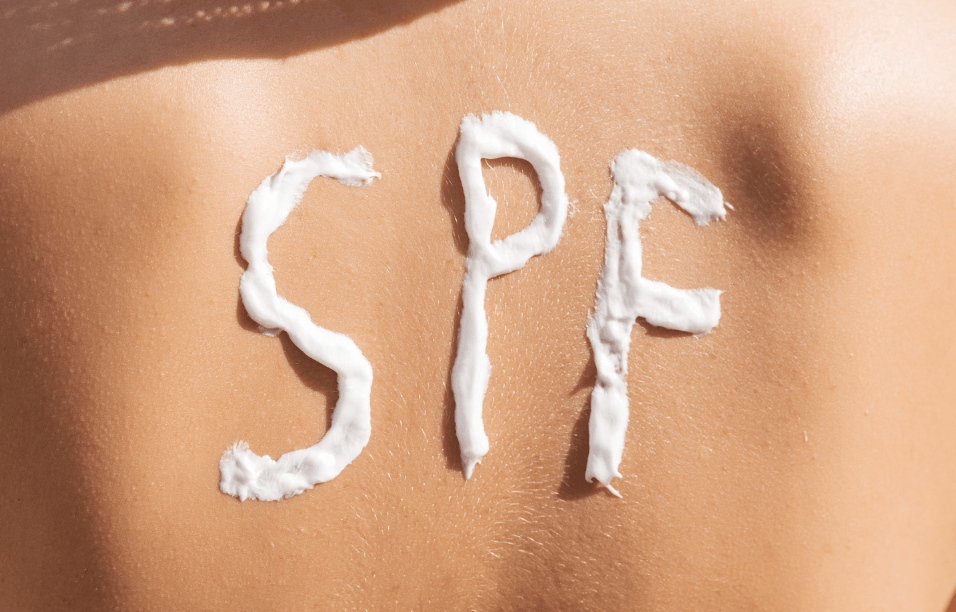
As the sun shines brightly and summer approaches, it’s important to prioritize the health of our skin and protect it from the harmful rays of the sun. Sunscreen plays a crucial role in safeguarding our skin from damage, but there are numerous misconceptions surrounding its usage. In this comprehensive guide, we will debunk common SPF sunscreen myths and uncover the facts, empowering you to make informed decisions about protecting your skin. So, let’s separate fact from fiction and discover the truth about SPF sunscreen.
Understanding the Different Types of Sunscreen

The Myth: All sunscreen is the same
Contrary to popular belief, not all sunscreens are created equal. Sunscreens can be divided into two broad categories: chemical and physical. Chemical sunscreens contain ingredients like avobenzone and oxybenzone, which work by absorbing the sun’s rays and converting them into heat. On the other hand, physical sunscreens, also known as mineral sunscreens, contain ingredients like zinc oxide and titanium dioxide, which act as a barrier and reflect the sun’s rays.
The Fact: Different sunscreens provide varying levels of protection
The type of sunscreen you choose determines how it protects your skin from the sun. Chemical sunscreens are effective at absorbing UV rays, while physical sunscreens create a protective barrier on the skin’s surface. Both types have their advantages, and the choice ultimately depends on personal preference and skin sensitivity. It’s important to choose a sunscreen that offers broad-spectrum protection against both UVA and UVB rays.
Demystifying SPF Numbers

The Myth: Higher SPF numbers provide significantly better protection
Many people believe that higher SPF numbers offer exponentially higher protection. However, this is not entirely accurate. SPF (Sun Protection Factor) indicates the level of protection against UVB rays, which cause sunburn. While SPF 30 blocks about 97% of UVB rays, SPF 50 blocks around 98%. The difference between SPF 50 and SPF 100 is marginal, with SPF 100 blocking just 1% more UVB rays. It’s important to remember that no sunscreen can provide complete protection from the sun’s harmful effects.
The Fact: SPF 30 is generally sufficient for most individuals
According to dermatologists, an SPF of 30 is adequate for everyday activities. It provides excellent protection against UVB rays and filters out approximately 97% of them. However, it’s crucial to apply the sunscreen generously and reapply every two hours, especially when exposed to direct sunlight or participating in outdoor activities. The key is to choose a broad-spectrum sunscreen with at least SPF 30 and prioritize proper application and reapplication.
Debunking Sunscreen Application Myths
The Myth: One application of sunscreen lasts all day
A common misconception is that applying sunscreen once in the morning is sufficient for an entire day of sun protection. However, sunscreen breaks down over time due to exposure to sunlight, sweat, and other environmental factors. Hence, it is crucial to reapply sunscreen every two hours, or more frequently if you are sweating or swimming. This ensures continuous protection throughout the day and reduces the risk of sunburn and skin damage.
The Fact: Regular sunscreen application is essential for optimal protection
To maximize the effectiveness of sunscreen, it should be applied generously and evenly to all exposed areas of the skin. The recommended amount is approximately one ounce (about a shot glass full) for the entire body. Additionally, sunscreen should be reapplied every two hours, especially after swimming or excessive sweating. Remember, consistent application is key to maintaining adequate sun protection.
Addressing Sunscreen and Vitamin D Misconceptions
The Myth: Sunscreen prevents the absorption of vitamin D
There is a common misconception that wearing sunscreen can hinder the production of vitamin D in the body. While it’s true that sunscreen reduces the skin’s exposure to UVB rays, which are responsible for vitamin D synthesis, it does not completely block the absorption of vitamin D. The body can still produce vitamin D through brief, unprotected sun exposure, even when wearing sunscreen.
The Fact: Adequate vitamin D levels can be achieved with minimal sun exposure
Research suggests that just a few minutes of sun exposure to the arms and face, a few times a week, is sufficient for most individuals to maintain optimal vitamin D levels. However, it’s important to strike a balance between sun exposure and sun protection. Prolonged and unprotected exposure to the sun increases the risk of skin damage and skin cancer. If you have concerns about vitamin D deficiency, consult with your healthcare provider for appropriate supplementation or alternative sources of vitamin D.
Clarifying Sunscreen and Makeup Myths
The Myth: Makeup with SPF provides adequate sun protection
Some individuals believe that wearing makeup with SPF eliminates the need for additional sunscreen. However, the level of sun protection provided by makeup is often inadequate. Most cosmetic products offer minimal sun protection or have lower SPF ratings than recommended. To ensure comprehensive sun protection, it’s important to apply a separate broad-spectrum sunscreen with at least SPF 30 before applying makeup.
The Fact: Layering sunscreen under makeup enhances sun protection
While makeup with SPF can offer some degree of sun protection, it should not be relied upon as the primary source of sun protection. To effectively safeguard your skin, layering sunscreen underneath makeup is essential. This provides an additional layer of defense against the sun’s harmful rays and helps ensure complete coverage and protection.
Busting Myths About Sunburn and Skin Types

The Myth: People with darker skin tones are not at risk of skin cancer
There is a common misconception that individuals with darker skin tones, such as those with more melanin, are immune to skin cancer. While it’s true that melanin provides some natural protection against the sun’s UV rays, it does not eliminate the risk of skin cancer. People with darker skin can still experience sunburn, skin damage, and an increased risk of skin cancer. It’s crucial for everyone, regardless of skin tone, to practice sun safety and protect their skin from harmful UV radiation.
The Fact: Sun protection is necessary for individuals with all skin types
Regardless of skin type or color, everyone is susceptible to the damaging effects of the sun’s UV radiation. While individuals with darker skin may have a lower risk of sunburn, they are still at risk of skin damage, premature aging, and skin cancer caused by UVA rays. Sun protection, including the use of broad-spectrum sunscreen, is essential for maintaining healthy skin and reducing the risk of sun-related skin conditions.
Dispelling Myths About Sunscreen and Cloudy Days

The Myth: Sunscreen is not necessary on cloudy or cool days
Many people believe that sunscreen is only necessary on sunny and hot days when the sun feels intense. However, UV radiation can penetrate through clouds, and it’s possible to get sunburned or experience sun damage on cloudy or cool days. UV rays are still present and can harm the skin, even when the sun is not visibly strong. It’s important to incorporate sunscreen into your daily skincare routine, regardless of the weather conditions.
The Fact: Sunscreen should be used daily, regardless of the weather
Whether it’s sunny or overcast, hot or cool, incorporating sunscreen into your daily routine is crucial for protecting your skin. UV rays can penetrate clouds and cause skin damage, even on cloudy days. To ensure comprehensive sun protection, apply sunscreen to all exposed areas of the skin, regardless of the weather conditions.
Correcting Misconceptions About Tanning and Sunscreen
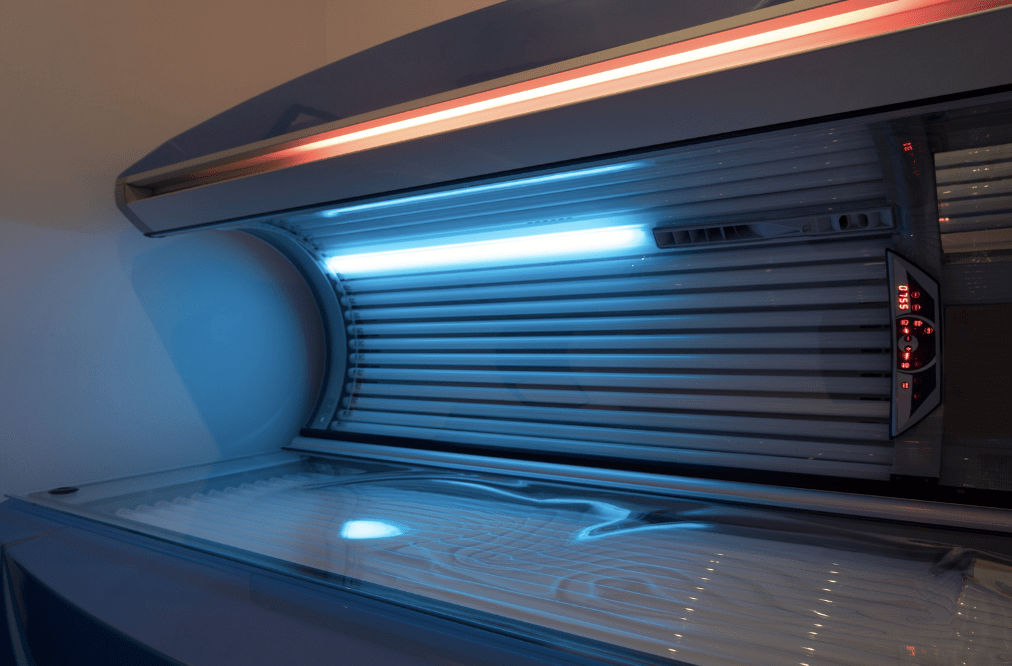
The Myth: Tanning beds provide a safe base tan
Some individuals believe that using tanning beds to achieve a base tan before sun exposure is a safe practice. However, tanning beds emit high levels of UVA radiation, which can cause skin damage and increase the risk of skin cancer. The temporary tan acquired from a tanning bed does not provide significant protection against sunburn or the harmful effects of UV radiation.
The Fact: Sunscreen is essential for sun protection, regardless of tanning practices
To protect your skin from the damaging effects of the sun, the use of sunscreen is essential, regardless of tanning practices. Tanning beds should be avoided altogether due to their harmful UVA radiation. Instead, opt for a broad-spectrum sunscreen with at least SPF 30 and practice sun safety measures, such as seeking shade, wearing protective clothing, and avoiding peak sun hours.
Addressing Common Misconceptions About Sunscreen and Water Resistance

The Myth: Waterproof sunscreen provides complete protection in water
There is a misconception that waterproof or water-resistant sunscreen provides complete protection while swimming or participating in water activities. However, no sunscreen is entirely waterproof, and water-resistant formulas can lose their effectiveness over time. It’s important to reapply sunscreen after swimming or excessive sweating to maintain optimal protection.
The Fact: Reapplication of sunscreen is necessary after water exposure
To ensure continuous protection, it’s crucial to reapply sunscreen after water exposure, even if the product is labeled as waterproof or water-resistant. Water can wash away sunscreen, reducing its effectiveness. Follow the instructions provided by the sunscreen manufacturer and reapply as recommended to maintain adequate sun protection.
Dispelling Misconceptions About Skin Cancer and Sunscreen
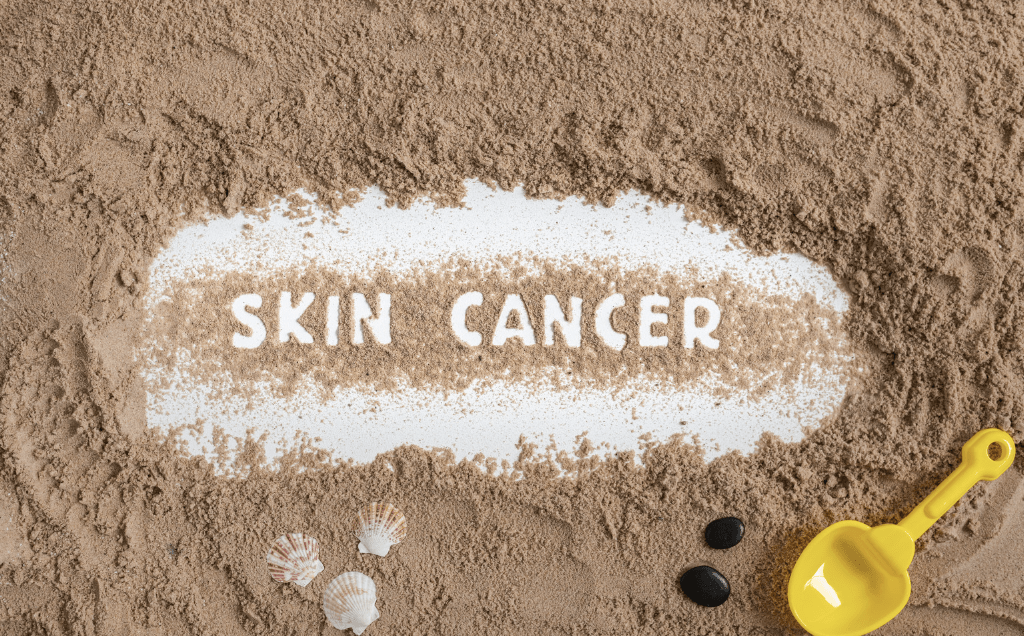
The Myth: Skin cancer is easily detectable and treatable
Many individuals believe that skin cancer is easily detectable and treatable, leading to a sense of complacency regarding sun protection. However, skin cancer can be a serious and potentially life-threatening condition. Early detection is crucial, but it requires regular self-examinations, awareness of changes in the skin, and professional medical evaluations. Prevention through sun protection, including the regular use of sunscreen, is the best approach to reduce the risk of skin cancer.
The Fact: Prevention and early detection are paramount in combating skin cancer
While skin cancer is treatable, prevention and early detection are vital for successful outcomes. Sun protection, including the use of sunscreen, is essential for reducing the risk of skin cancer. Regular self-examinations, annual skin checks with a dermatologist, and awareness of any changes in the skin’s appearance are critical in identifying potential skin cancer at an early stage.
30 Winners get a Free “Summer of SPF” package! Enter the EltaMD Summer Giveaway

- EltaMD Summer Giveaway
- Duration: July 10, 2023, at 6:00 a.m. PT to August 4, 2023, at 8:59 p.m. PT (Promotion Period)
- Eligibility: Open only to legal residents of the forty-eight (48) contiguous United States or the District of Columbia, aged eighteen (18) years or older at the time/date of entry. Void in Alaska, Hawaii, and where prohibited by law.
- Entry Limit: One (1) entry per calendar day per person during the Promotion Period (excluding up to ten (10) bonus entries for specific methods described below).
- Prizes: Thirty (30) Grand Prizes will be awarded. Each Grand Prize includes a “Summer of SPF” package consisting of the following EltaMD products:
- One (1) UV AOX Mist Broad-Spectrum SPF 40
- One (1) UV Clear Broad-Spectrum SPF 36 Untinted
- One (1) UV Sheer Broad-Spectrum SPF 50+
- One (1) UV Lip Balm Broad-Spectrum SPF 36
- One (1) EltaMD Sunhat The Approximate Retail Value (ARV) of each Grand Prize is $165.00. The total ARV of all prizes is $4,950.00.
- How to Enter: During the Promotion Period, participants must visit the website https://eltamd.com/pages/sweeps-2023 and complete and submit an official entry form. Participants can also earn additional entries using the following methods:
- Share Method: By using the provided share functionality to post a prepopulated message promoting the Sweepstakes on your LinkedIn Account and inviting a friend to enter, you can receive one (1) additional entry per friend who enters, up to a maximum of ten (10) total additional entries.
- Product Review Method: Participants can obtain ten (10) additional entries by leaving an honest (but non-offensive, non-abusive) review of an EltaMD product on the EltaMD website using the same email address used for entry.
Conclusion
As we embark on the summer season, it’s essential to separate SPF sunscreen myths from facts to protect our skin effectively. By understanding the different types of sunscreen, debunking SPF number misconceptions, and clarifying proper sunscreen application techniques, we can confidently shield our skin from harmful UV radiation. Remember, sun protection is necessary for individuals of all skin types, and sunscreen should be an integral part of your daily skincare routine. By dispelling misconceptions and embracing sun safety practices, you can enjoy the summer while keeping your skin healthy and protected.
Disclaimer: This article is for informational purposes only and should not be considered medical advice. Consult with a healthcare professional for personalized recommendations and guidance regarding sun protection and skincare. Try a free sample of sunscreen for yourself!
More Ways To Score After This Post
Tap a card for more Freebie Mom finds: freebies, prize paths, cash claims, and household offers. It is fun to check, but no win, payout, or approval is guaranteed.
Freebie Mom tip: check details fast, save the post, and come back before offers disappear.