The Art of Smart Online Shopping: Maximizing Value in the Digital Marketplace
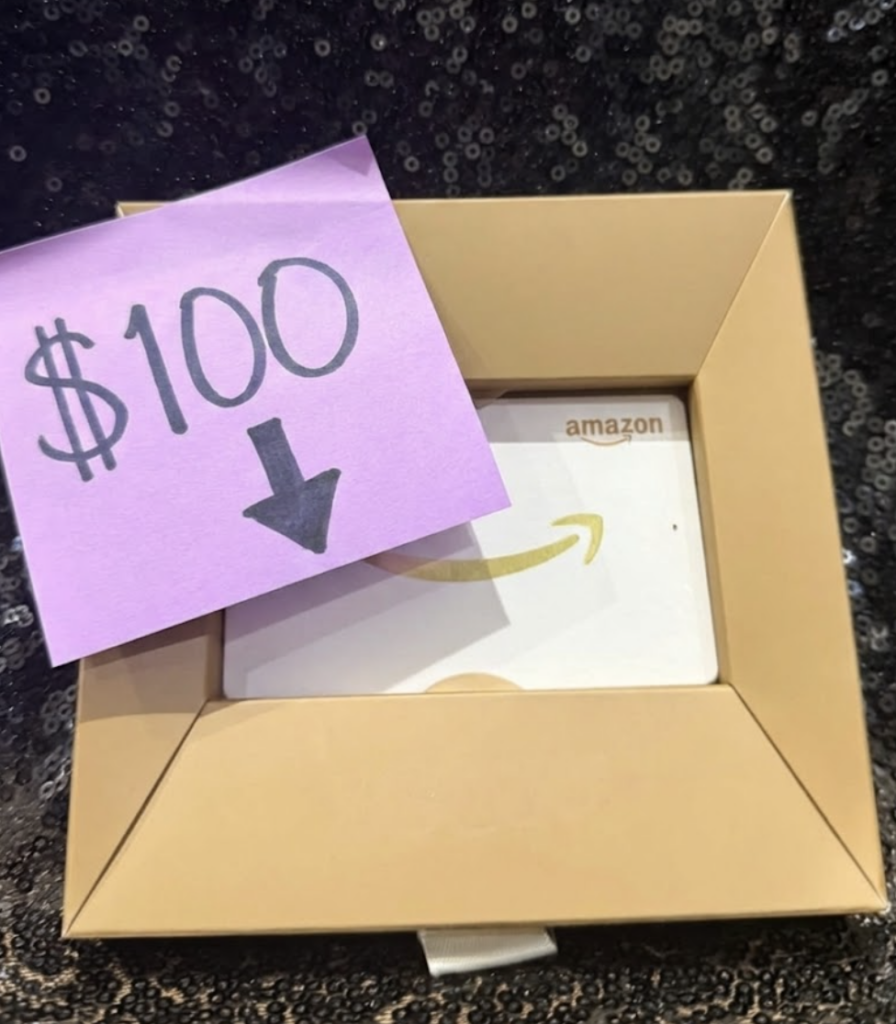
Online shopping has revolutionized consumer behavior, offering unprecedented convenience, selection, and competitive pricing. Yet navigating the digital marketplace effectively requires strategic thinking beyond simply clicking “add to cart.” This comprehensive guide explores the psychology of online shopping, techniques for finding the best deals, understanding pricing algorithms and dynamic pricing strategies, leveraging rewards programs and cashback opportunities, avoiding common pitfalls and scams, sustainable shopping practices, and the future of e-commerce. Plus, enter the Woot Forum Giveaway for your chance to win a $100 Amazon Gift Card!
The Psychology of Online Shopping
Online shopping removes physical and temporal barriers that traditionally constrained purchasing decisions. The ability to shop anytime, anywhere, from unlimited inventory creates unique psychological dynamics. The absence of physical interaction with products triggers different evaluation processes—consumers rely heavily on images, descriptions, reviews, and ratings rather than tactile examination. This shift affects purchase confidence, return rates, and overall satisfaction, requiring retailers to compensate through detailed product information and generous return policies.
The “paradox of choice” manifests intensely in online environments. While extensive selection theoretically benefits consumers, research demonstrates that too many options can overwhelm decision-making capacity, leading to analysis paralysis or post-purchase regret. Successful online shoppers develop filtering strategies—using specific search terms, applying filters systematically, and establishing clear criteria before browsing. These techniques combat decision fatigue and improve purchase satisfaction by narrowing focus to genuinely suitable options.
Impulse purchasing dynamics differ online versus in-store. Physical retail environments use strategic product placement, sensory marketing, and social pressure to encourage unplanned purchases. Online platforms employ different tactics: personalized recommendations, limited-time offers, countdown timers creating urgency, and one-click purchasing reducing friction between desire and acquisition. Understanding these mechanisms helps consumers recognize manipulation attempts and maintain intentional purchasing behavior aligned with actual needs and budgets.
Cognitive Biases in Digital Shopping
Several cognitive biases particularly affect online shopping decisions. Anchoring bias causes consumers to rely heavily on first prices seen, making subsequent prices seem like deals even when not genuinely discounted. Retailers exploit this through inflated “original prices” next to sale prices. Social proof bias leads consumers to trust products with numerous positive reviews, though review manipulation and fake reviews complicate this heuristic. Scarcity bias triggers urgency when products show limited stock or time-limited offers, sometimes artificially created to pressure purchases.
Confirmation bias affects product research—consumers seeking specific products tend to focus on information confirming their initial preferences while dismissing contradictory evidence. This can lead to purchases that don’t truly meet needs or overlook superior alternatives. Combating these biases requires conscious effort: comparing prices across multiple retailers, reading negative reviews alongside positive ones, questioning urgency claims, and taking time between initial interest and final purchase to allow rational evaluation.
Finding the Best Deals: Strategies and Tools
Price comparison represents the most fundamental deal-finding strategy. Browser extensions and apps like Honey, CamelCamelCamel, and Keepa automatically track price histories and alert users to drops. These tools reveal pricing patterns—many products cycle through predictable price fluctuations, with lowest prices occurring during specific promotional periods. Understanding these patterns allows strategic timing of purchases to coincide with optimal pricing windows.
Coupon codes and promotional offers require active hunting but yield significant savings. RetailMeNot, Slickdeals, and similar aggregator sites compile current codes and deals across retailers. Signing up for retailer email lists provides exclusive codes, though managing inbox overload requires dedicated email addresses or aggressive filtering. Abandoned cart strategies sometimes trigger automatic discount codes when items sit in carts without purchase, though this tactic doesn’t work universally and shouldn’t be relied upon.
Cashback programs and credit card rewards create additional value layers. Sites like Rakuten, TopCashback, and BeFrugal offer percentage-back on purchases through their portals. Credit cards with category bonuses (5% on rotating categories, 3% on specific merchants) multiply savings when strategically used. Combining cashback portals with credit card rewards and coupon codes—”stacking”—maximizes total savings, though requires organizational effort to track and optimize across multiple programs.
Timing Purchases Strategically
Certain times yield better prices across product categories. Black Friday and Cyber Monday remain peak discount periods for electronics, though deals increasingly spread across entire November. Amazon Prime Day (mid-July) offers competitive pricing on Amazon products and prompts matching sales from competitors. Back-to-school season (August-September) discounts office supplies, electronics, and clothing. Post-holiday clearances (late December-January) slash prices on seasonal items, decorations, and gift-oriented products.
Product-specific timing matters too. New model releases trigger discounts on previous generations—smartphones in September (iPhone launch), televisions in spring (before summer models), appliances in September-October (new models debut). End-of-season sales clear inventory—winter coats in February, swimwear in August, outdoor furniture in September. Understanding these cycles allows planning major purchases around optimal pricing periods, potentially saving hundreds on big-ticket items.
Understanding Dynamic Pricing and Algorithms
Dynamic pricing adjusts prices in real-time based on demand, competition, inventory levels, and individual user data. Airlines pioneered this approach, but it now pervades online retail. Prices for identical products can vary by time of day, day of week, user location, browsing history, and device type. This personalization aims to maximize revenue by charging each customer their maximum willingness to pay, though it raises fairness and transparency concerns.
Retailers use sophisticated algorithms analyzing vast data to optimize pricing. Machine learning models predict demand elasticity—how price changes affect purchase likelihood—for millions of products individually. Competitor monitoring adjusts prices to maintain competitiveness while protecting margins. Inventory algorithms discount slow-moving items while maintaining or raising prices on popular products. Understanding these dynamics helps consumers recognize when prices reflect genuine value versus algorithmic optimization.
Combating dynamic pricing requires strategic browsing. Using private/incognito mode prevents tracking cookies from influencing displayed prices. Clearing browser cookies and cache removes personalization data. Comparing prices across devices (phone, tablet, computer) and locations (using VPNs) reveals price variations. Checking prices at different times identifies optimal purchasing windows. While time-consuming, these tactics can uncover significant savings, particularly for expensive purchases where even small percentage differences represent substantial dollar amounts.
The Role of User Data in Pricing
Online retailers collect extensive data on browsing behavior, purchase history, and demographic information to inform pricing strategies. Frequent visitors to luxury brand sites may see higher prices, assuming greater willingness to pay. Users in affluent zip codes might encounter elevated pricing. Previous purchases of premium products signal price insensitivity, potentially triggering higher quotes. This data-driven discrimination operates invisibly, making it difficult for consumers to detect or combat without deliberate counter-measures.
Privacy tools and practices limit data collection used for price discrimination. Browser extensions blocking tracking cookies, using privacy-focused browsers like Brave or Firefox with strict settings, and employing VPN services mask user identity and behavior. Creating separate accounts for price comparison versus actual purchases prevents purchase history from influencing displayed prices. While perfect anonymity remains difficult, these measures reduce personalization’s impact on pricing, helping ensure prices reflect market conditions rather than individual profiling.
Maximizing Rewards Programs and Loyalty Benefits
Retailer loyalty programs offer points, discounts, and exclusive access in exchange for repeat business and data sharing. Programs like Amazon Prime, Target Circle, and Walmart+ provide free shipping, early access to sales, and additional discounts. Evaluating program value requires calculating actual savings versus membership costs and considering whether benefits align with shopping patterns. Prime’s value depends heavily on shipping frequency and use of included services (streaming, music, photos), making it worthwhile for some but not all consumers.
Credit card rewards programs create passive income through everyday spending. Cashback cards offer flat percentages (1.5-2%) on all purchases or higher rates (3-5%) on specific categories. Points-based cards provide flexibility for travel or merchandise redemption, though require understanding point valuations and optimal redemption strategies. Maximizing rewards involves matching spending categories to appropriate cards, meeting minimum spending requirements for signup bonuses, and avoiding interest charges that negate rewards value.
Stacking multiple programs amplifies savings. Using cashback portals, retailer loyalty programs, and rewards credit cards simultaneously on single purchases combines benefits. Shopping through airline or hotel portals earns travel points plus credit card rewards. Retailer-branded credit cards often provide enhanced rewards at their stores. While complexity increases with multiple programs, organized tracking through spreadsheets or apps helps optimize without overwhelming effort. The key is focusing on programs aligned with natural spending patterns rather than changing behavior to chase marginal rewards.
Avoiding Rewards Program Pitfalls
Loyalty programs aim to increase spending and brand loyalty, sometimes encouraging purchases that wouldn’t otherwise occur. Minimum spending thresholds for rewards, expiring points, and exclusive member sales create pressure to buy. Resisting these manipulations requires discipline—treating rewards as bonuses on necessary purchases rather than justifications for unnecessary spending. Calculating actual savings after accounting for additional purchases reveals whether programs truly benefit or subtly increase total spending.
Credit card rewards particularly risk encouraging overspending and debt accumulation. The psychological distance between swiping cards and actual payment reduces spending pain, leading to larger purchases. Carrying balances to earn rewards proves counterproductive—interest charges far exceed rewards value. Responsible rewards optimization requires paying full balances monthly, viewing rewards as small bonuses rather than income sources, and maintaining spending discipline regardless of potential rewards.
Avoiding Scams and Protecting Personal Information
Online shopping fraud takes multiple forms. Phishing emails impersonate legitimate retailers to steal login credentials and payment information. Fake websites mimic established brands, collecting payment without delivering products. Counterfeit products sold through legitimate platforms disappoint with inferior quality. Package theft from doorsteps represents physical security concerns in digital transactions. Protecting against these threats requires vigilance, skepticism, and proactive security measures.
Verifying website legitimacy before entering payment information prevents many scams. Checking for HTTPS encryption, examining URLs for misspellings or suspicious domains, and researching unfamiliar retailers through reviews and Better Business Bureau ratings reveals red flags. Using credit cards rather than debit cards for online purchases provides better fraud protection and dispute resolution. Monitoring account statements regularly catches unauthorized charges quickly, limiting liability and facilitating resolution.
Strong password practices and two-factor authentication protect accounts from unauthorized access. Unique passwords for each retailer prevent credential stuffing attacks where breached credentials from one site compromise others. Password managers generate and store complex passwords securely. Two-factor authentication adds security layers requiring physical device access beyond passwords. While inconvenient, these practices significantly reduce account compromise risk and associated fraud.
Recognizing Too-Good-To-Be-True Deals
Scammers lure victims with impossibly low prices on desirable products. Luxury goods at 70-90% discounts, new electronics at half retail price, and exclusive items readily available despite being sold out everywhere else signal potential fraud. Legitimate deep discounts occur, but extreme pricing requires extra scrutiny. Researching typical pricing, checking seller ratings and reviews, and trusting instincts about suspicious offers prevents costly mistakes.
Counterfeit products plague online marketplaces, even on reputable platforms like Amazon and eBay. Third-party sellers mix authentic and fake products, making detection difficult. Warning signs include prices significantly below market rates, sellers with limited history or poor ratings, vague product descriptions, and stock photos rather than actual product images. Purchasing directly from manufacturers or authorized retailers when possible eliminates counterfeit risk, though at potentially higher prices. For marketplace purchases, carefully vetting sellers and reading detailed reviews mentioning authenticity helps avoid counterfeits.
Ready to Win $100? Enter Below!
Prize Details
- Total Winners:
- 3 winners
- Prize per Winner:
- One (1) $100 Amazon.com Gift Card (via email)
- Total Prize Value:
- $300 (3 × $100)
- Gift Card Details:
- Must have or create Amazon.com account to redeem; can only be used on Amazon.com or affiliated sites; cannot be redeemed for cash or used to purchase other gift cards
- Expiration:
- No expiration date or service fees
- Issued By:
- ACI Gift Cards LLC
How to Enter
- Entry Method:
- Post in the Woot forum thread saying “Woot! I’m really need _______” (fill in the blank) or whatever you want
- Entry Deadline:
- Monday, January 26, 2026 @ noon CT
- Entry Limit:
- ONE entry/post per person (multiple posts will disqualify)
- Valid Entries:
- Posts in the official giveaway thread ONLY
- Invalid Entries:
- Posts in other threads, private messages, Facebook, Twitter, Instagram, or multiple posts
- Winner Selection:
- Random drawing using Microsoft Excel
- Winner Notification:
- Monday via private message on forums + email from @amazon.com address
- Response Deadline:
- Wednesday at 5pm CT to provide mailing address and agree to rules
Rules & Eligibility
- Sponsor:
- Woot (Amazon subsidiary)
- Eligibility:
- Legal residents of 50 US states + DC, 18+
- Purchase Required:
- NO PURCHASE NECESSARY
- Account Required:
- Must have Woot account (can use Amazon login credentials)
- Entry Restrictions:
- Do not post anything political or inappropriate
- Pro Tip:
- Reply/comment directly on the giveaway post to enter quickly