The Complete Guide to Cast Iron Cooking: Mastering America’s Original Cookware
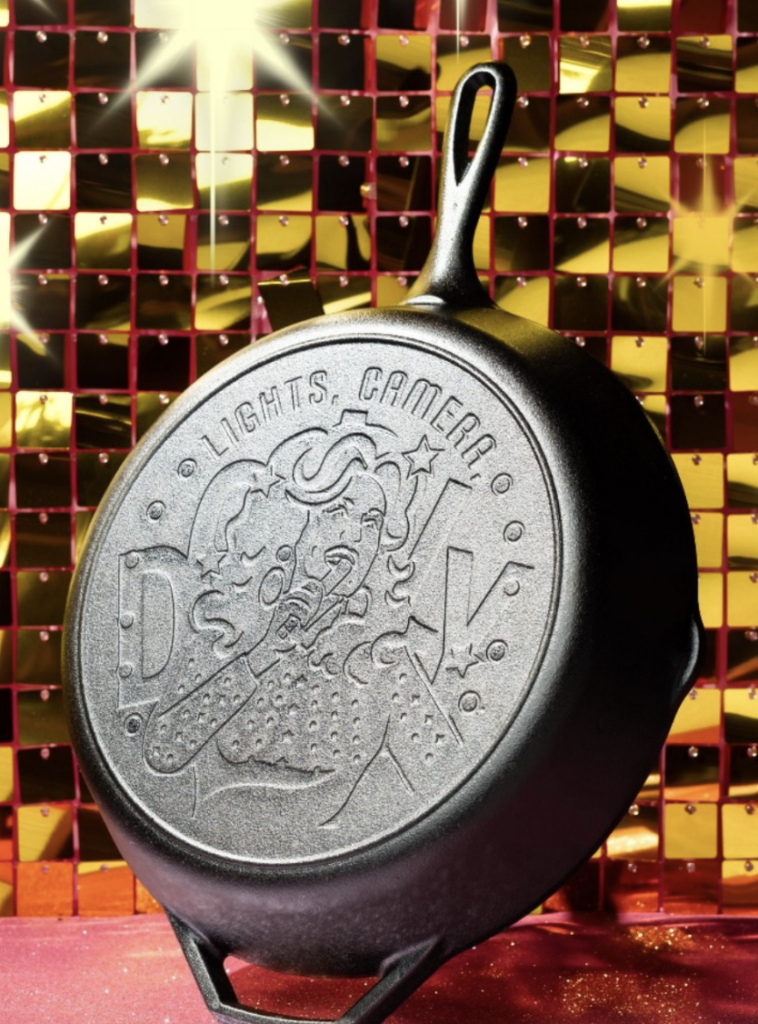
Cast iron cookware represents one of humanity’s oldest and most enduring cooking technologies, combining exceptional heat retention, natural non-stick properties when properly seasoned, and legendary durability that allows skillets to be passed down through generations. From frontier homesteads to modern kitchens, cast iron has remained the preferred choice for serious cooks who appreciate its versatility, superior browning capabilities, and ability to transition seamlessly from stovetop to oven. Whether searing steaks, baking cornbread, frying chicken, or creating elaborate one-pan meals, cast iron delivers consistent results that modern cookware struggles to match. This comprehensive guide explores everything from selecting and seasoning cast iron to advanced cooking techniques and proper maintenance. Plus, discover the Lodge Cast Iron x Dolly Parton Collection Giveaway where you could win three beautiful skillets celebrating the Queen of Country!
Understanding Cast Iron: History and Benefits
Cast iron cookware dates back thousands of years, with early examples found in ancient China around the fifth century BCE. The technology spread globally, becoming essential equipment in European and American kitchens by the eighteenth century. Cast iron’s enduring popularity stems from fundamental physical properties—the material’s density and thermal mass allow it to absorb and retain heat exceptionally well, creating even cooking surfaces that maintain temperature even when cold food is added. This heat retention makes cast iron ideal for searing meats, achieving restaurant-quality crusts impossible with thinner cookware. The material’s ability to withstand extremely high temperatures allows for techniques like high-heat searing and oven finishing that would damage other cookware.
Beyond performance, cast iron offers practical advantages including exceptional durability and value. Quality cast iron skillets last decades or centuries with proper care, developing improved non-stick properties over time as seasoning layers build. Unlike modern non-stick coatings that degrade and require replacement, cast iron actually improves with use. The cookware adds small amounts of dietary iron to food, particularly beneficial for those with iron deficiencies. Cast iron’s versatility allows it to function on all heat sources including gas, electric, induction, and open flames, while also transitioning seamlessly to ovens and even campfires. This adaptability makes cast iron essential for home cooks, campers, and anyone seeking reliable, multi-purpose cookware that performs consistently across various cooking methods and environments.
Types and Sizes of Cast Iron Cookware
Cast iron comes in various forms beyond the classic skillet. Skillets range from small six-inch pans perfect for single servings or side dishes to massive fifteen-inch versions for family meals. Ten to twelve-inch skillets represent the most versatile sizes, accommodating most recipes while remaining manageable. Dutch ovens provide deep, covered vessels ideal for braising, baking bread, and slow-cooking stews. Griddles offer flat surfaces perfect for pancakes, grilled cheese, and breakfast foods. Specialty pieces include cornbread pans with individual sections, grill pans with raised ridges, and pizza pans designed for crispy crusts. Some manufacturers produce enameled cast iron combining traditional heat retention with colorful, easy-clean surfaces that don’t require seasoning. When building a cast iron collection, start with a ten or twelve-inch skillet and a five to seven-quart Dutch oven, covering most cooking needs before expanding to specialty pieces.
Seasoning: Creating and Maintaining the Non-Stick Surface
Seasoning refers to the polymerized oil layer that creates cast iron’s non-stick surface and prevents rust. New cast iron often comes pre-seasoned from manufacturers, but additional seasoning improves performance. To season cast iron, wash the piece with soap and water, dry thoroughly, then apply a thin layer of high-smoke-point oil like flaxseed, grapeseed, or vegetable oil. Wipe away excess oil until the surface appears almost dry—too much oil creates sticky, uneven seasoning. Place the cookware upside down in a preheated oven at four hundred to fifty degrees Fahrenheit for one hour, with aluminum foil on the bottom rack to catch drips. Allow the piece to cool completely in the oven. Repeat this process three to six times for new or stripped cookware, building durable seasoning layers.
Maintaining seasoning requires consistent practices. Cook with fats regularly—each use adds microscopic layers that strengthen the seasoning. Avoid cooking highly acidic foods like tomato sauce in newly seasoned pans, as acids can break down developing seasoning layers. Once seasoning is well-established, cast iron handles acidic foods without issues. After cooking, clean the pan while still warm using hot water and a stiff brush or chainmail scrubber. Contrary to popular belief, small amounts of mild soap won’t damage seasoning, though many cooks prefer avoiding it. Dry the pan immediately and thoroughly, either with towels or by heating on the stovetop. Apply a very thin layer of oil after each cleaning, wiping away excess. This simple routine maintains seasoning indefinitely, with the surface becoming increasingly non-stick over years of use.
Restoring Damaged or Rusty Cast Iron
Cast iron’s durability means even severely neglected pieces can be restored to perfect condition. For rusty cast iron, scrub with steel wool or use an electrolysis bath for heavy rust. Once rust is removed, wash thoroughly and dry completely. Strip old, damaged seasoning by placing the cookware in a self-cleaning oven cycle, or use chemical strippers designed for cast iron. After stripping, the bare metal requires immediate seasoning to prevent rust. Follow the seasoning process described above, building new layers from scratch. Flea markets, estate sales, and antique stores often yield vintage cast iron at bargain prices. Brands like Griswold and Wagner, highly prized by collectors, can be restored to exceptional condition. Restoration projects provide satisfaction while yielding high-quality cookware at fraction of new prices. Even cracked cast iron can sometimes be welded and restored, though cracks typically indicate the end of a piece’s useful life.
Cooking Techniques and Temperature Management
Successful cast iron cooking requires understanding heat management. Cast iron heats slowly but retains heat exceptionally well, requiring different approaches than thin cookware. Preheat cast iron thoroughly over medium heat for five to ten minutes before cooking, ensuring even temperature distribution. Test readiness by sprinkling water drops on the surface—they should immediately sizzle and evaporate. Avoid high heat except for specific techniques like searing, as cast iron’s heat retention means medium heat often suffices. When searing steaks or other proteins, preheat over medium-high heat until smoking slightly, add oil, then add food. The intense heat creates restaurant-quality crusts while the thermal mass maintains temperature despite cold food contact.
For baking, cast iron’s heat retention creates exceptional results. Cornbread, biscuits, and cobblers develop crispy, golden crusts impossible in glass or metal pans. Preheat the skillet in the oven before adding batter for extra-crispy bottoms. Cast iron excels at one-pan meals—sear proteins on the stovetop, add vegetables and liquids, then transfer to the oven for hands-off cooking. The cookware’s oven-safe construction eliminates concerns about handle materials or temperature limits. When cooking acidic foods, limit contact time in newly seasoned pans, but well-seasoned cast iron handles tomatoes, wine, and citrus without issues. The key is building robust seasoning before attempting challenging recipes. With experience, cast iron becomes intuitive, with cooks developing feel for proper temperatures and timing that produces consistently excellent results.
Common Mistakes and How to Avoid Them
New cast iron users often make predictable mistakes that discourage continued use. Using high heat constantly causes food to burn and stick, as cast iron’s heat retention means lower temperatures suffice. Insufficient preheating creates uneven cooking and sticking. Adding food to cold cast iron guarantees poor results. Not using enough fat during cooking leads to sticking, especially in newly seasoned pans. While well-seasoned cast iron approaches true non-stick performance, it still requires cooking fats. Storing cast iron with lids on in humid environments traps moisture causing rust. Store cookware uncovered or with paper towels between pieces and lids. Putting cold water on hot cast iron can cause thermal shock and cracking. Allow cookware to cool slightly before cleaning, or use hot water. Avoiding these common mistakes accelerates the learning curve, helping new users develop confidence and skill with this traditional cookware.
Essential Cast Iron Recipes
Certain recipes showcase cast iron’s unique capabilities. Pan-seared steaks develop restaurant-quality crusts—preheat the skillet until smoking, add high-smoke-point oil, season steaks generously, then sear without moving for three to four minutes per side. Finish in a preheated oven for perfect doneness. Southern fried chicken achieves crispy, golden perfection in cast iron’s even heat. The thermal mass maintains oil temperature despite adding cold chicken, ensuring consistent results. Cornbread baked in preheated cast iron develops signature crispy edges and golden bottoms. Dutch oven pot roasts braise meats to fork-tender perfection, with the heavy lid trapping moisture and the even heat creating rich, complex flavors through hours of slow cooking.
Cast iron excels at breakfast foods—perfectly crispy hash browns, evenly cooked pancakes, and restaurant-style frittatas. The cookware transitions from stovetop to oven, allowing techniques like starting frittatas on the stove then finishing under the broiler. Roasted vegetables develop caramelized exteriors and tender interiors when cooked in preheated cast iron. Pizza baked in cast iron creates crispy, golden crusts rivaling pizzeria results. Preheat the skillet in a very hot oven, add stretched dough, top quickly, and bake until bubbly and browned. Skillet cookies and brownies bake with crispy edges and gooey centers, served directly from the pan for rustic presentation. These recipes demonstrate cast iron’s versatility across cooking methods, temperatures, and cuisines, explaining why serious cooks consider it essential equipment.
Adapting Recipes for Cast Iron
Most recipes adapt easily to cast iron with minor modifications. Reduce oven temperatures by twenty-five degrees Fahrenheit, as cast iron’s heat retention cooks more efficiently than other materials. Watch baking times carefully, checking for doneness earlier than recipes specify. When adapting stovetop recipes, start with lower heat than you think necessary, increasing gradually if needed. Cast iron’s heat retention means it continues cooking after removing from heat—account for carryover cooking by removing food slightly before reaching desired doneness. For recipes calling for non-stick pans, ensure cast iron is well-seasoned and use adequate cooking fat. Delicate foods like fish require well-established seasoning and proper preheating. With experience, you’ll develop intuition for adapting any recipe to cast iron’s unique properties, often achieving superior results compared to the original cookware specifications.
Cleaning and Storage Best Practices
Proper cleaning maintains seasoning while ensuring hygiene. Clean cast iron while still warm but not dangerously hot, as warm surfaces release food particles more easily. Use hot water and a stiff brush, chainmail scrubber, or non-scratch sponge. For stuck-on food, add coarse salt as an abrasive, scrubbing with paper towels or cloth. Stubborn residue responds to simmering water in the pan, loosening particles for easy removal. Contrary to myth, small amounts of mild dish soap won’t damage established seasoning—modern dish soaps don’t contain lye that strips seasoning. However, many cooks prefer avoiding soap, finding hot water and scrubbing sufficient for most cleaning needs.
After washing, dry cast iron immediately and thoroughly. Towel dry, then place on a warm burner for a few minutes, evaporating any remaining moisture. Apply a very thin layer of cooking oil while the pan is still warm, wiping away excess with paper towels. The surface should appear dry, not greasy. Store cast iron in dry locations with good air circulation. Avoid storing with lids sealed tightly, as trapped moisture causes rust. If stacking multiple pieces, place paper towels between them preventing moisture accumulation and protecting seasoning. For long-term storage, apply slightly heavier oil coating and wrap in paper towels or cloth. Never store cast iron in dishwashers or leave soaking in water—both practices invite rust and damage seasoning. These simple practices keep cast iron in perfect condition indefinitely, with minimal effort required after each use.
Troubleshooting Common Issues
Even experienced cast iron users occasionally encounter problems. Sticky residue usually indicates excess oil during seasoning or cleaning. Strip the sticky layer with salt scrubbing or light steel wool, then reseason with thinner oil applications. Rust appears when cast iron stays wet or is stored in humid conditions. Remove rust with steel wool, reseason immediately, and improve storage practices. Food sticking suggests insufficient preheating, inadequate cooking fat, or weak seasoning. Address by ensuring proper preheating, using more fat, and building seasoning through regular use. Uneven heating indicates insufficient preheating time. Cast iron requires patience—allow full preheating before cooking. Metallic taste in food suggests new or stripped seasoning. Continue cooking fatty foods to build seasoning layers, and the taste will disappear. Most cast iron problems have simple solutions, with proper technique and maintenance preventing issues entirely.
The Lodge Cast Iron Legacy
Lodge Cast Iron, founded in 1896 in South Pittsburg, Tennessee, represents America’s oldest continuously operating cast iron cookware manufacturer. The company has produced millions of skillets, Dutch ovens, and specialty pieces, becoming synonymous with quality cast iron. Lodge pioneered pre-seasoned cookware, eliminating the traditional break-in period and making cast iron more accessible to modern cooks. The company maintains American manufacturing, supporting local communities and preserving traditional foundry skills. Lodge’s commitment to quality, affordability, and innovation has made it the dominant cast iron brand, found in kitchens from professional chefs to home cooks discovering cast iron’s benefits for the first time.
The Lodge x Dolly Parton Collection celebrates the iconic country music legend with beautifully designed skillets featuring Dolly’s signature style. This collaboration combines Lodge’s legendary quality with Dolly’s warmth and charm, creating cookware that performs beautifully while honoring Southern cooking traditions. The collection represents the intersection of American manufacturing heritage and cultural icon status, with each piece designed for both function and aesthetic appeal. Whether you’re a longtime cast iron enthusiast or discovering its benefits for the first time, the Dolly Parton Collection offers quality cookware with personality and style. Enter the giveaway for your chance to win three skillets from this special collection, celebrating Dolly’s birthday while adding legendary cookware to your kitchen.
You Made It! Enter the Giveaway Below
Prize Details
- Prize:
- Three skillets from the Lodge x Dolly Parton Collection
- Collection Features:
- Exclusive Dolly Parton designs celebrating the Queen of Country
- Number of Winners:
- One (1) winner will receive all three skillets
- Winner Announcement:
- Monday, January 26, 2026 via DM from @lodgecastiron
How to Enter
- Step 1:
- Like the giveaway post on Instagram
- Step 2:
- Follow @lodgecastiron and @dollyparton on Instagram
- Step 3:
- Comment 🩷 and tag a friend in the comments
- Entry Deadline:
- Monday, January 26, 2026 at 8:00 AM CT
Eligibility & Rules
- Age Requirement:
- Must be 18 years or older
- Location:
- Must be a resident of the United States
- Instagram Affiliation:
- This giveaway is not affiliated with Instagram
- Scam Warning:
- Lodge will never request credit card info or ask you to register. Winner contacted via DM from @lodgecastiron only.