The Complete Guide to Creating a Toxin-Free Kitchen for Healthier Cooking
Your kitchen is the heart of your home, where you prepare meals that nourish your body and bring your family together. But did you know that many common kitchen items contain harmful chemicals that can leach into your food? From non-stick cookware to plastic storage containers, hidden toxins may be compromising your health without you even realizing it. This comprehensive guide will show you how to transform your kitchen into a clean, toxin-free space that supports your wellness goals. Plus, discover how you can win an incredible bundle of clean kitchen essentials from Crate & Barrel!
Understanding Kitchen Toxins and Their Health Impact
The modern kitchen contains numerous sources of potentially harmful chemicals. Traditional non-stick cookware often contains per- and polyfluoroalkyl substances, commonly known as PFAS or “forever chemicals.” These compounds have been linked to various health concerns including hormonal disruption, immune system effects, and increased cholesterol levels. When heated, these coatings can break down and release toxic fumes that are particularly dangerous in poorly ventilated spaces.
Plastic containers present another significant concern. Many plastics contain bisphenol A (BPA) and phthalates, which are endocrine-disrupting chemicals that can leach into food, especially when heated or when storing acidic or fatty foods. Even products labeled as “BPA-free” may contain similar compounds like BPS or BPF that have not been adequately studied for safety. The cumulative exposure to these chemicals through daily food preparation and storage can have long-term health implications.
The Science Behind Chemical Migration
Chemical migration occurs when substances from packaging or cookware transfer into food. This process accelerates with heat, time, and contact with fatty or acidic foods. Research has shown that even low-level chronic exposure to these chemicals can accumulate in the body over time, potentially affecting everything from reproductive health to metabolic function. Understanding this process is the first step toward making informed choices about your kitchen equipment.
Choosing Safe, Non-Toxic Cookware
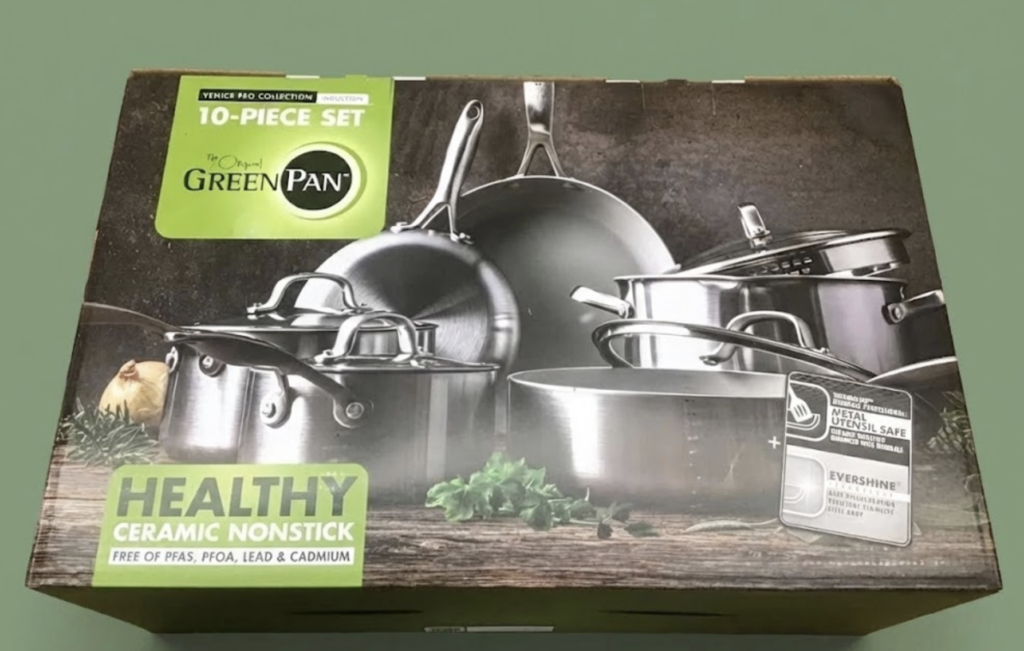
Selecting the right cookware is perhaps the most important decision you’ll make when creating a clean kitchen. Stainless steel cookware, like the GreenPan™ Valencia Pro set featured in the Crate & Barrel giveaway, represents one of the safest options available. High-quality stainless steel is non-reactive, meaning it won’t leach chemicals into your food regardless of what you’re cooking or how high the heat. Look for 18/10 stainless steel, which contains 18 percent chromium and 10 percent nickel, providing excellent durability and corrosion resistance.
Cast iron and enameled cast iron are other excellent choices for toxin-free cooking. Cast iron actually adds beneficial iron to your food, which can be particularly helpful for those with iron deficiency. The key is ensuring your cast iron is properly seasoned or choosing enameled versions that provide a non-reactive cooking surface. These pieces can last for generations with proper care, making them both an environmental and health-conscious choice.
Understanding Ceramic and “Green” Non-Stick Options
Modern ceramic cookware has emerged as a popular alternative to traditional non-stick pans. True ceramic coatings are made from inorganic minerals and contain no PFAS, PFOA, lead, or cadmium. However, it’s essential to purchase from reputable brands that provide third-party testing results. The performance of ceramic coatings has improved significantly in recent years, though they typically don’t last as long as traditional non-stick surfaces and require careful maintenance to preserve their properties.
Selecting Safe Cutting Boards and Food Prep Surfaces
Your cutting board comes into direct contact with the food you eat, making material selection crucial. Wood and bamboo cutting boards are naturally antimicrobial and don’t dull knives as quickly as harder surfaces. Epicurean® boards, made from modern natural paper composite materials, offer an innovative solution that combines the benefits of wood with enhanced durability and easier maintenance. These boards are non-porous, preventing bacteria from hiding in grooves and cracks.
The key to cutting board safety isn’t just the material but also proper maintenance. Wooden boards should be regularly oiled with food-grade mineral oil to prevent cracking and maintain their antimicrobial properties. Composite boards like those from Epicurean can typically go in the dishwasher, making sanitization easier. It’s also important to use separate boards for raw meats and produce to prevent cross-contamination, regardless of the material you choose.
The Problem with Plastic Cutting Boards
While plastic cutting boards are inexpensive and widely available, they present several concerns. As knives cut into the surface, they create grooves where bacteria can hide and multiply. Studies have shown that older plastic cutting boards can harbor more bacteria than wooden ones, even after washing. Additionally, the small plastic particles created by knife cuts can end up in your food, contributing to microplastic consumption. For these reasons, natural materials are generally the superior choice for food preparation surfaces.
Transitioning to Glass and Stainless Steel Food Storage
One of the most impactful changes you can make in your clean kitchen journey is switching from plastic to glass food storage containers. Glass is completely inert and non-porous, meaning it won’t absorb food odors, stains, or chemicals. The Crate & Barrel 20-piece glass storage set with bamboo lids represents an ideal solution, combining the safety of glass with the sustainability of bamboo lids that are free from plastic components.
Glass containers offer numerous practical advantages beyond safety. They’re microwave-safe without concerns about chemical leaching, they can go from freezer to oven (if oven-safe), and they’re incredibly durable when handled properly. The transparency of glass also makes it easy to see what’s stored inside, reducing food waste. While the initial investment is higher than plastic alternatives, quality glass containers can last for decades, making them more economical in the long run.
Proper Food Storage Practices
Even with the best containers, proper storage practices are essential for food safety and freshness. Always allow hot foods to cool before storing them in glass containers to prevent thermal shock. Store acidic foods like tomato sauce or citrus in glass rather than metal containers to prevent metallic taste transfer. Label containers with dates to track freshness, and organize your refrigerator to maintain proper temperature zones for different food types. These practices, combined with quality storage containers, will help you maintain a truly clean and organized kitchen.
Investing in Quality Knives for Safer Food Preparation
A sharp, high-quality knife is not only more effective but also safer than a dull blade. The Schmidt Brothers® Cutlery 10-piece stainless steel knife block set exemplifies the kind of investment that pays dividends in both safety and performance. Quality knives made from high-carbon stainless steel maintain their edge longer, require less pressure when cutting, and are less likely to slip and cause accidents.
Proper knife maintenance is essential for longevity and safety. Hand washing and immediate drying prevent corrosion and maintain the blade’s integrity. Regular honing with a steel keeps the edge aligned between sharpenings, while professional sharpening once or twice a year restores the blade to optimal performance. Storing knives in a block or on a magnetic strip protects both the blades and your fingers, while also keeping them readily accessible for meal preparation.
Understanding Knife Materials and Construction
The best kitchen knives are typically made from high-carbon stainless steel, which combines the edge retention of carbon steel with the corrosion resistance of stainless steel. Full-tang construction, where the blade extends through the entire handle, provides better balance and durability. The handle material should be comfortable and provide a secure grip even when wet. Quality manufacturers like Schmidt Brothers use ergonomic designs that reduce hand fatigue during extended food preparation sessions.
Choosing Natural and Non-Toxic Cleaning Products
A clean kitchen isn’t just about the cookware and storage containers—it’s also about what you use to clean them. Many conventional dish soaps and surface cleaners contain harsh chemicals, artificial fragrances, and antibacterial agents that can leave residues on your dishes and countertops. Natural alternatives like the Crate & Barrel Cedar + Sage hand soap use plant-based ingredients that are effective yet gentle on both your skin and the environment.
Creating your own cleaning solutions is another excellent way to ensure your kitchen remains toxin-free. A simple mixture of white vinegar and water makes an effective all-purpose cleaner for countertops and appliances. Baking soda serves as a gentle abrasive for scrubbing without scratching surfaces. For dishes, look for plant-based soaps that are free from synthetic fragrances, dyes, and phosphates. These natural alternatives clean effectively while minimizing your exposure to potentially harmful chemicals.
The Importance of Indoor Air Quality
Kitchen air quality is often overlooked in discussions about clean cooking. Cooking, especially at high temperatures, can release particulate matter and volatile organic compounds into your home’s air. Using your range hood or opening windows while cooking helps ventilate these pollutants. Natural cleaning products reduce the chemical burden in your indoor air, as do plants that can help filter airborne toxins. Consider adding potted herbs to your kitchen windowsill for both functional and air-purifying benefits.
Organizing Your Clean Kitchen for Maximum Efficiency
A well-organized kitchen makes clean cooking easier and more enjoyable. Start by decluttering and removing items you no longer use, particularly older non-stick pans and plastic containers that may be harboring bacteria or leaching chemicals. Group similar items together and store them near where they’ll be used—keeping pots and pans near the stove, for example, or storing food storage containers near the refrigerator.
Vertical storage solutions maximize space while keeping items visible and accessible. Install hooks for hanging frequently used utensils, use shelf risers to create additional levels in cabinets, and consider drawer dividers to keep smaller items organized. The Carmen fluted white marble bath collection from Crate & Barrel, while designed for bathroom use, demonstrates how beautiful organizational pieces can elevate your space while serving practical purposes. Apply similar thinking to your kitchen with attractive containers and organizers that make you want to maintain your clean, organized space.
Creating Functional Kitchen Zones
Professional chefs organize their kitchens into zones based on tasks: food storage, preparation, cooking, and cleaning. Adopting this approach in your home kitchen improves workflow and reduces the time spent searching for items. Your preparation zone should include cutting boards, knives, and mixing bowls. The cooking zone contains pots, pans, and cooking utensils. The cleaning zone houses dish soap, sponges, and dish towels. This logical organization makes cooking more efficient and enjoyable while helping you maintain the cleanliness of your space.
The Financial and Environmental Benefits of Quality Kitchen Items
While quality kitchen essentials require a larger upfront investment, they prove more economical over time. A well-made stainless steel cookware set can last for decades, whereas cheap non-stick pans typically need replacement every few years. Similarly, glass storage containers don’t degrade or stain like plastic alternatives, eliminating the need for frequent replacement. When you calculate the cost per use over the lifetime of quality items, they often prove less expensive than repeatedly buying cheaper alternatives.
The environmental impact of your kitchen choices extends far beyond your home. Durable, long-lasting items reduce waste and the environmental burden of manufacturing and disposing of replacements. Choosing products made from sustainable materials like bamboo, recycled glass, or responsibly sourced wood further minimizes your ecological footprint. Many quality kitchen brands now prioritize sustainable manufacturing practices, using renewable energy and minimizing packaging waste. By investing in these products, you’re voting with your dollars for a more sustainable future.
Understanding the True Cost of Cheap Kitchen Items
The hidden costs of inexpensive kitchen items go beyond frequent replacement. Cheap non-stick cookware may release toxic fumes when heated, potentially impacting your health. Low-quality knives require more frequent sharpening or replacement and increase the risk of kitchen accidents. Thin stainless steel pots and pans heat unevenly, leading to burned food and wasted ingredients. When you factor in these hidden costs—health impacts, safety concerns, and wasted food—the true expense of cheap kitchen items becomes apparent. Quality products represent an investment in your health, safety, and long-term financial wellbeing.
Meal Planning and Preparation in Your Clean Kitchen
Having a clean, well-equipped kitchen makes meal planning and preparation significantly easier. Batch cooking in quality stainless steel pots allows you to prepare healthy meals for the week ahead, storing them safely in glass containers. This approach not only saves time but also helps you avoid the temptation of takeout or processed convenience foods that often come in plastic packaging. Your clean kitchen becomes a tool for supporting your overall health and wellness goals.
Meal prep strategies vary based on your lifestyle and preferences, but some universal principles apply. Choose one or two days per week for bulk preparation, focusing on versatile ingredients that can be combined in different ways throughout the week. Invest time in properly washing and storing produce to extend its freshness. Use your quality knives and cutting boards to efficiently prepare vegetables and proteins. Store prepared components in clearly labeled glass containers, making it easy to assemble quick, healthy meals even on busy weeknights.
Seasonal Cooking and Local Ingredients
Embracing seasonal, locally sourced ingredients enhances both the flavor and nutritional value of your meals while supporting local farmers and reducing environmental impact. Seasonal produce is typically fresher, more affordable, and more flavorful than out-of-season alternatives that have been shipped long distances. Visit farmers markets to discover what’s growing in your region and build relationships with local producers. Store your fresh, seasonal bounty in glass containers to maintain quality and reduce waste. This approach to cooking connects you more deeply with your food and the rhythms of nature.
Teaching Children About Clean, Healthy Cooking
Involving children in kitchen activities teaches valuable life skills while instilling healthy habits from an early age. A clean, organized kitchen with safe equipment makes it easier to include kids in meal preparation. Start with age-appropriate tasks like washing vegetables, measuring ingredients, or stirring mixtures. As they grow, teach them about knife safety using quality, appropriately sized knives, and explain why you’ve chosen certain materials for your cookware and storage containers.
Children who participate in meal preparation are more likely to try new foods and develop a positive relationship with cooking and nutrition. Use kitchen time as an opportunity to discuss where food comes from, the importance of reducing waste, and how the choices we make impact both our health and the environment. These lessons, learned in the context of enjoyable family time, often stay with children throughout their lives, shaping their future approach to food and wellness.
Maintaining Your Clean Kitchen Long-Term
Creating a clean kitchen is just the beginning—maintaining it requires consistent habits and routines. Develop a daily cleaning schedule that includes wiping down counters after meal preparation, washing dishes promptly, and sweeping or vacuuming floors. Weekly tasks might include deeper cleaning of appliances, organizing the refrigerator, and taking inventory of pantry items. Monthly maintenance could involve cleaning the oven, descaling the coffee maker, and reorganizing cabinets as needed.
Regular maintenance of your quality kitchen items ensures they remain in excellent condition for years to come. Season cast iron pans after each use, oil wooden cutting boards monthly, and hand wash quality knives immediately after use. Inspect glass storage containers for chips or cracks that could harbor bacteria or cause breakage. These small, consistent efforts preserve your investment and maintain the clean, safe environment you’ve worked to create. The habits you establish now will serve you well for decades to come, making healthy cooking an effortless part of your daily routine.
You Made It! Enter on Instagram Below
ENTER TO WIN ON INSTAGRAMPrize Details
- Grand Prize:
- GreenPan™ Valencia Pro 11-Piece Cookware Set, Epicurean® Cutting Board, Cedar + Sage Hand Soap, Carmen Marble Bath Collection (6 pieces), Schmidt Brothers® 10-Piece Knife Block Set, 20-Piece Glass Storage Set with Bamboo Lids
- Approximate Retail Value:
- $1,000+
How to Enter
- Entry Method:
- 1. Follow @crateandbarrel on Instagram
2. Like the giveaway post
3. Tag 2 friends who are refreshing their kitchens - Entry Period:
- January 14 – January 17, 2026
Winner Selection
- Drawing Date:
- On or about January 17, 2026
- Notification:
- Winner will be notified via Instagram Direct Message within 3 days
- Eligibility:
- US residents 18+, excluding Rhode Island