The Complete Guide to Creating the Perfect Home Theater Experience
Creating a dedicated home theater transforms how you experience movies, television, sports, and gaming, bringing the magic of cinema into your living space. Whether you’re converting a spare bedroom, finishing a basement, or designing a purpose-built theater room, understanding the essential elements of home theater design ensures you create a space that delivers exceptional audio and visual performance while providing comfort for hours of entertainment. This comprehensive guide explores everything from room selection and acoustic treatment to display technology, sound systems, seating options, and lighting control. Discover how to build your dream home theater and learn about the comfiroom January Giveaway where you could win premium home theater seating worth $899!
Choosing and Preparing Your Home Theater Space
The foundation of an exceptional home theater begins with selecting and preparing the right space. Ideal home theater rooms feature rectangular dimensions with length approximately one-and-a-half times the width, minimizing acoustic issues caused by parallel walls. Basements often make excellent theater spaces due to their isolation from household noise and lack of windows, though any room can work with proper treatment. Room size significantly impacts both audio performance and seating capacity—minimum dimensions of twelve by sixteen feet accommodate basic setups, while larger spaces support multiple rows of seating and more elaborate configurations. Ceiling height matters too, with eight to ten feet providing adequate space for acoustic treatment and equipment without creating problematic reflections.
Once you’ve selected your space, preparation begins with addressing light control. Home theaters require complete darkness for optimal picture quality, necessitating blackout curtains, shades, or permanent light-blocking window treatments. If possible, eliminate windows entirely during construction or renovation. Next, consider sound isolation to prevent disturbing other household members or neighbors. Add insulation to walls and ceilings, install solid-core doors with weatherstripping, and consider resilient channel or double-drywall construction for serious isolation. Electrical planning is crucial—install dedicated circuits for audio and video equipment, add outlets at seating locations for powered recliners, and include dimmer-controlled lighting. Running conduit during construction simplifies future upgrades and cable management.
Acoustic Treatment Fundamentals
Proper acoustic treatment transforms mediocre-sounding rooms into spaces with exceptional audio clarity and immersion. Untreated rooms suffer from excessive reflections, standing waves, and uneven frequency response that muddy dialogue and reduce sound quality. Acoustic treatment addresses these issues through absorption and diffusion. Absorption panels on walls and ceilings reduce reflections and control reverberation time, while bass traps in corners manage low-frequency buildup. Diffusion panels scatter reflections rather than absorbing them, maintaining room liveliness while preventing problematic echoes. Strategic placement matters more than quantity—focus on first reflection points where sound bounces from speakers to listeners, and address corners where bass accumulates. Professional acoustic analysis provides detailed recommendations, though DIY approaches using online calculators and measurement tools work well for most home theaters.
Display Technology and Screen Selection
Your display represents the visual centerpiece of your home theater, with two primary options: large-format televisions or projection systems. Modern large-screen TVs offer exceptional picture quality with 4K or 8K resolution, HDR support, and excellent brightness, making them ideal for rooms with some ambient light. Sizes up to eighty-five inches are readily available, with some models exceeding one hundred inches. OLED technology provides perfect blacks and infinite contrast, ideal for dark theater environments, while LED/LCD displays offer higher brightness for rooms with light control challenges. Consider viewing distance when selecting size—for 4K displays, sit approximately one to one-and-a-half times the screen diagonal for optimal immersion without visible pixels.
Projection systems create truly cinematic experiences with screen sizes from one hundred to over two hundred inches diagonal. Modern 4K projectors deliver exceptional image quality, with laser light sources providing consistent brightness and eliminating bulb replacements. Choose between DLP, LCD, and LCoS technologies, each with distinct characteristics regarding contrast, color accuracy, and motion handling. Projection requires complete light control and careful screen selection—fixed-frame screens provide the flattest surface and best image quality, while motorized screens retract when not in use. Screen gain affects brightness and viewing angle, with unity gain screens offering the widest viewing angles and higher-gain screens increasing brightness at the cost of narrower sweet spots. Acoustic transparency allows placing speakers behind the screen for optimal sound staging, though it slightly reduces image brightness.
Calibration for Optimal Picture Quality
Professional calibration unlocks your display’s full potential, ensuring accurate colors, proper brightness and contrast, and optimal settings for your specific viewing environment. While professional calibration services provide the most accurate results using specialized equipment, DIY calibration using test patterns and setup guides significantly improves picture quality over factory settings. Start with picture mode selection—Cinema or Movie modes typically provide the most accurate starting point. Adjust brightness so black bars are just barely visible, and contrast so white elements are bright without blooming. Color temperature should be set to warm or 6500K for accurate color reproduction. Disable motion smoothing and other processing that creates the soap opera effect. For serious enthusiasts, calibration discs and software combined with colorimeters enable precise adjustments approaching professional results.
Audio Systems and Speaker Configuration
Exceptional audio is as important as video in creating immersive home theater experiences. Modern surround sound systems range from basic five-point-one configurations to elaborate Dolby Atmos setups with overhead speakers creating three-dimensional soundscapes. A five-point-one system includes left, center, and right front speakers, two surround speakers, and a subwoofer. The center channel handles dialogue and should be your highest-quality speaker, while front left and right speakers reproduce music and effects. Surround speakers create ambient effects and directional cues. Subwoofers reproduce low-frequency effects, adding impact to explosions, music, and atmospheric elements. Larger rooms benefit from multiple subwoofers for even bass distribution.
Seven-point-one systems add rear surround speakers for improved rear sound field, while Atmos systems incorporate ceiling or upward-firing speakers for height effects. Speaker placement significantly impacts performance—front speakers should form an arc around the primary seating position, with the center speaker at screen height. Surround speakers belong slightly behind and above ear level, while Atmos speakers mount in or on the ceiling. Receiver selection matters too, with modern AV receivers providing amplification, surround processing, room correction, and streaming capabilities. Look for receivers supporting current audio formats including Dolby Atmos and DTS:X, with sufficient power output for your speakers and enough HDMI inputs for all your sources. Room correction systems like Audyssey, Dirac, or YPAO automatically optimize speaker settings for your specific room.
Subwoofer Placement and Calibration
Proper subwoofer placement and calibration dramatically improves bass quality and integration with main speakers. Room modes cause uneven bass response, with some locations experiencing boomy bass while others lack impact. The subwoofer crawl technique identifies optimal placement—temporarily place the subwoofer at your primary seating position, play bass-heavy content, and crawl around the room listening for locations with smooth, powerful bass. Place your subwoofer in the best-sounding location you find. Multiple subwoofers smooth room modes more effectively than single subs, with two subwoofers providing significant improvement and four offering near-ideal bass distribution. Calibrate subwoofer level and crossover frequency to blend seamlessly with main speakers, typically setting crossovers between eighty and one hundred twenty hertz depending on your speakers’ bass capabilities.
Home Theater Seating Selection and Arrangement
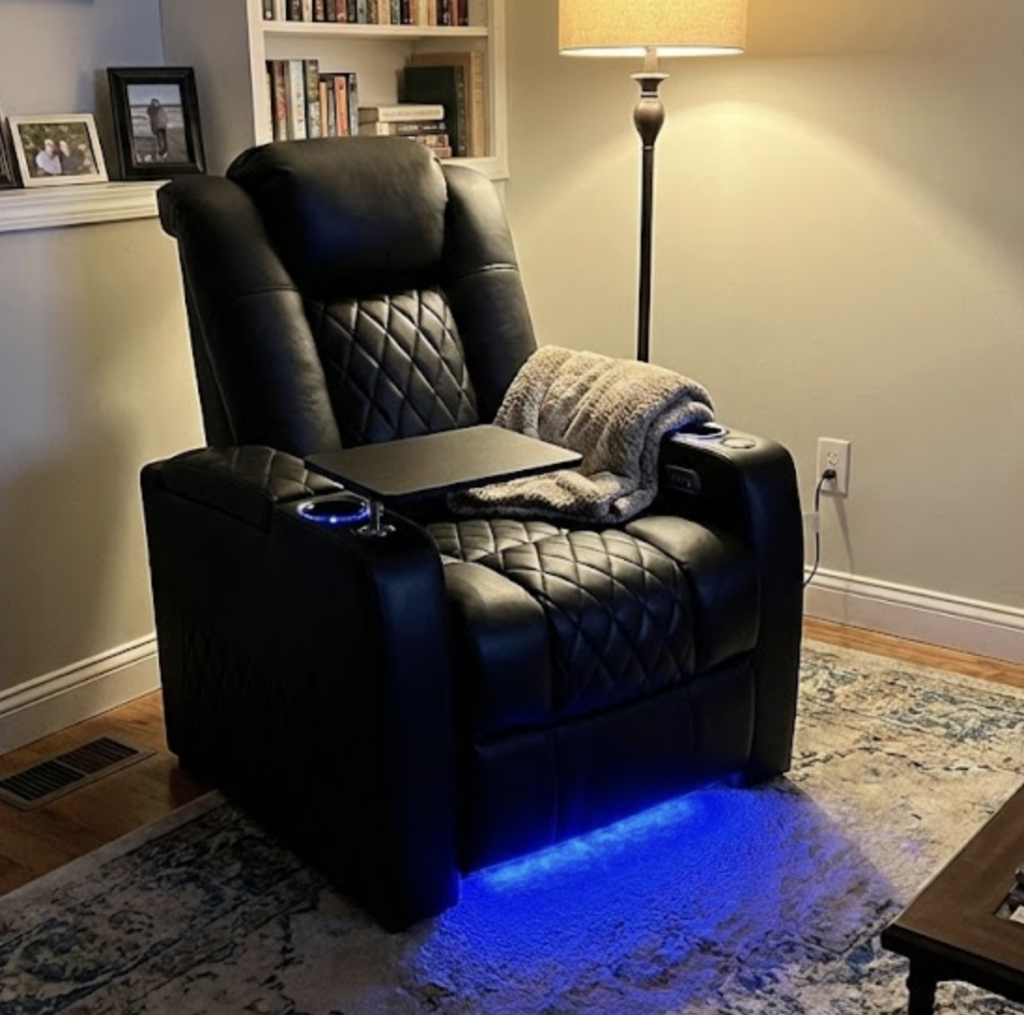
Comfortable, properly positioned seating is essential for enjoying long movies and binge-watching sessions. Home theater seating ranges from repurposed furniture to dedicated theater chairs with features like power recline, adjustable headrests, built-in storage, and even massage functions. Dedicated theater seating provides optimal viewing angles, lumbar support, and features designed for extended viewing. Look for high-density foam that maintains comfort over time, quality upholstery materials like top-grain leather or durable fabrics, and smooth, quiet power mechanisms if choosing recliners. Seat width and spacing affect capacity—standard theater seats measure twenty to twenty-four inches wide, with thirty to thirty-six inches of space per seat including armrests and aisles.
Seating arrangement impacts both comfort and viewing quality. Position the first row so viewers sit approximately one to one-and-a-half times the screen diagonal from the display. Multiple rows require riser platforms elevating rear seats for unobstructed views over front row heads—twelve-inch risers typically suffice. Arrange seating in arcs rather than straight rows to equalize viewing angles and speaker distances. Consider sight lines carefully, ensuring all seats have clear views without heads blocking the screen. Aisle access is important too, especially for middle seats in wide rows. Some theater seating includes curved rows or loveseat configurations that naturally create optimal viewing geometry while facilitating conversation and shared experiences.
Additional Seating Features and Considerations
Modern theater seating offers features enhancing comfort and functionality beyond basic reclining. Power recline provides effortless position adjustment at the touch of a button, with some models offering infinite positions and memory settings. Adjustable headrests accommodate different viewer heights and preferences. Built-in USB charging ports keep devices powered during long viewing sessions. Cup holders and storage consoles provide convenient spots for drinks and remotes. Some premium seats include heating, cooling, and massage functions for ultimate comfort. Acoustic transparency matters if placing seats near speakers—solid seat backs can block or reflect sound, while perforated or low-backed designs minimize acoustic interference. Consider maintenance too—leather is easy to clean but may feel hot or cold, while fabric breathes better but shows stains more readily. Quality construction ensures years of reliable service, making it worth investing in well-built seating from reputable manufacturers.
Lighting Design and Control
Proper lighting design balances the need for complete darkness during viewing with adequate illumination for safety and ambiance. Install dimmable LED lighting with warm color temperatures that don’t interfere with screen viewing. Rope lighting or LED strips along aisles and under risers provides subtle pathway lighting without screen glare. Wall sconces with dimmers create ambiance before and after movies while remaining off during viewing. Consider color-changing LED systems that create different moods or match on-screen content. Smart lighting control systems integrate with home automation, automatically dimming lights when movies start and raising them during intermissions or when the movie ends.
Light control extends beyond artificial lighting to managing any natural light entering the space. Blackout curtains, cellular shades, or roller shades with side channels eliminate light leaks around windows. For rooms where complete blackout isn’t possible, consider ambient light rejecting screens that maintain contrast despite some ambient light. Exit signs and equipment indicator lights can be surprisingly distracting in dark theaters—cover or disable unnecessary indicator lights, and choose equipment with dimmable or defeatable displays. The goal is creating a space where, during movies, the only light comes from your screen, maximizing contrast and immersion while maintaining safe navigation when needed.
Smart Home Integration
Integrating your home theater with smart home systems creates seamless, automated experiences. Program scenes that dim lights, close shades, power on equipment, and select appropriate audio modes with a single command. Voice control through Alexa, Google Assistant, or Siri enables hands-free operation. Automated systems can adjust lighting based on content—brighter for sports, dimmer for movies, and colored lighting for gaming. Integration with streaming services and media servers provides unified control of all entertainment sources. Consider universal remotes or control systems that consolidate multiple remotes into single, intuitive interfaces. While professional control systems offer the most sophisticated integration, consumer-friendly options like Harmony remotes and smart home hubs provide significant convenience at reasonable costs.
Finishing Touches and Aesthetics
Aesthetic details transform functional home theaters into inviting spaces you’ll want to spend time in. Dark wall colors reduce reflections and create a theater-like atmosphere, with deep blues, grays, or blacks being popular choices. Avoid bright or reflective surfaces that bounce light onto the screen. Acoustic panels come in various colors and can be arranged decoratively, serving dual purposes of sound treatment and visual interest. Movie posters, framed artwork, or themed decorations personalize the space and create conversation pieces. Consider carpet or thick area rugs that absorb sound and add comfort underfoot, choosing dark colors that don’t show dirt.
Concession areas with popcorn machines, candy displays, and beverage refrigerators recreate the theater experience at home. Bar seating or high-top tables provide spaces for pre-movie gathering or intermission refreshments. Cable management keeps the space looking clean and professional—run cables through walls, use cable raceways, or install equipment racks that organize components. Proper ventilation prevents equipment overheating and maintains comfortable temperatures during long viewing sessions. Small details like comfortable throw blankets, decorative pillows, and side tables for drinks and snacks enhance comfort and functionality. The goal is creating a space that looks as impressive as it sounds and performs, making it the favorite gathering spot in your home.
You Made It! Enter the Giveaway Below
Prize Details
- First Prize (1 winner):
- comfiroom Home Theater Seat worth $899
- Second Prize (2 winners):
- 50% Off Discount Coupons
- Features:
- Top-grain leather, high-density ergonomic foam, adjustable headrest, power footrest, quiet power recline
- Perfect For:
- Home theaters, media rooms, gaming setups
How to Enter
- Entry Method:
- Complete entry form via Gleam platform
- Eligibility:
- Open worldwide
- Entry Period:
- January 18 – February 28, 2026 (11:59 PM PST)
- Entry Points:
- More points earned = higher chances of winning
Winner Selection
- Drawing Method:
- Random draw supervised by sponsor
- Notification:
- Winners notified within 7 days of selection
- Claim Period:
- Must claim prize within 7 days of notification
- Monthly Giveaways:
- comfiroom hosts free giveaways every month!