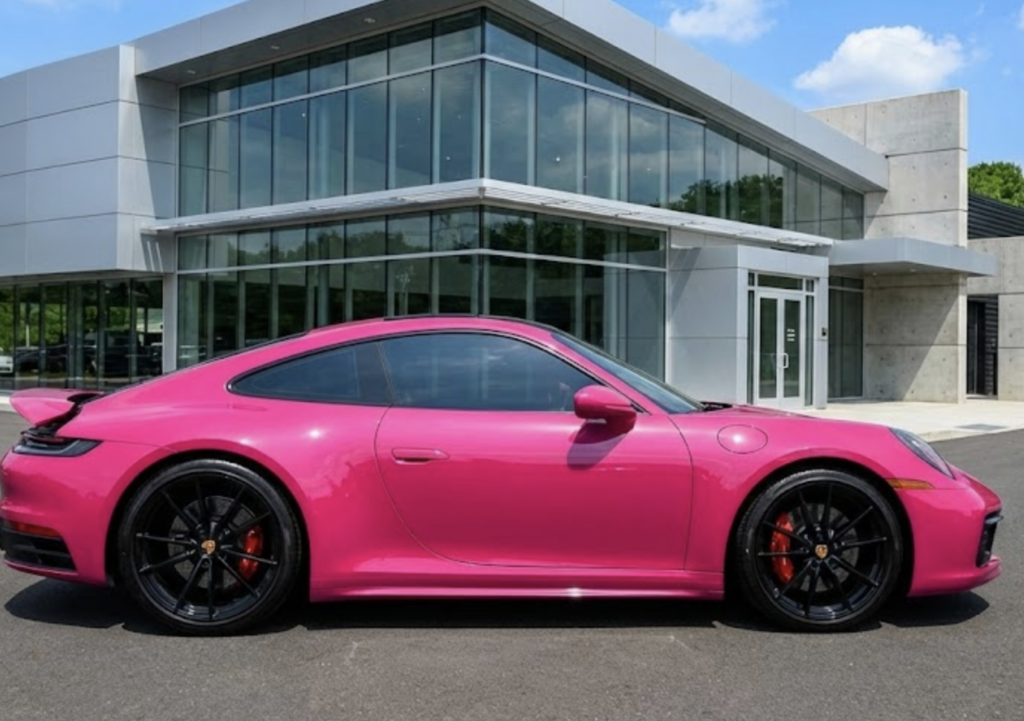
The Complete Guide to Owning and Maintaining a Porsche 911: What Every Enthusiast Should Know
The Porsche 911 stands as one of the most iconic sports cars ever created, with a lineage stretching back to 1963. Its distinctive silhouette, rear-engine layout, and legendary performance have captivated automotive enthusiasts for generations. Whether you’re dreaming of owning your first 911 or you’re a seasoned Porsche owner, understanding what makes these cars special and how to properly maintain them is essential. This comprehensive guide covers everything from the 911’s engineering marvels to ownership costs, maintenance schedules, and driving dynamics. Plus, discover how you could win a modified 2020 Porsche 911 Carrera S or $80,000 cash!
The Evolution of the Porsche 911: From Classic to Modern
The Porsche 911 has undergone continuous evolution since its debut, yet it has maintained its core identity through every generation. The original 901 (quickly renamed 911 due to a trademark dispute with Peugeot) featured a 2.0-liter flat-six engine producing 130 horsepower. While modest by today’s standards, this air-cooled engine and the car’s lightweight construction delivered thrilling performance and handling that established the 911’s reputation. The distinctive fastback design with its sloping roofline and round headlights became instantly recognizable and has been carefully preserved through decades of development.
The 992 generation, introduced for the 2020 model year, represents the latest evolution of this storied lineage. This generation brought significant technological advancements while honoring the 911’s heritage. The 992 features a wider body, more aggressive styling, and a completely redesigned interior with digital displays flanking a traditional analog tachometer. Under the rear deck, turbocharged flat-six engines deliver impressive power across the range, from the base Carrera’s 379 horsepower to the GT3’s naturally aspirated 502 horsepower. Advanced aerodynamics, including an active rear spoiler, help the 992 achieve remarkable performance while maintaining everyday usability.
Understanding the 911 Model Hierarchy
The 911 lineup can seem bewildering with its array of model designations, but understanding the hierarchy helps clarify the options. The Carrera and Carrera S represent the entry point, offering rear-wheel drive and impressive performance. The Carrera 4 and 4S add all-wheel drive for enhanced traction in all conditions. The GTS models sit above the S variants with additional power and performance-oriented features. At the top of the range, specialized models like the Turbo, Turbo S, GT3, and GT3 RS deliver extreme performance for enthusiasts and track-day warriors. Each variant serves a specific purpose, from comfortable grand touring to hardcore track capability.
The Engineering Marvel of the Rear-Engine Layout
The 911’s rear-engine configuration sets it apart from virtually every other sports car and contributes significantly to its unique character. Placing the engine behind the rear axle creates challenges that Porsche has spent decades mastering. This layout provides excellent traction for acceleration, as the engine’s weight presses down on the drive wheels. However, it also creates a pendulum effect during aggressive cornering, where the rear-mounted mass wants to swing outward. Early 911s were notorious for snap oversteer that could catch inexperienced drivers off guard, earning the car a reputation as challenging to drive at the limit.
Modern 911s have tamed these characteristics through sophisticated engineering without sacrificing the benefits of the rear-engine layout. Advanced suspension geometry, electronic stability control, and precise steering calibration work together to provide predictable handling while preserving the 911’s distinctive feel. The weight distribution, typically around 38 percent front and 62 percent rear, gives the 911 incredible traction when accelerating out of corners. The low center of gravity, achieved by mounting the flat-six engine low in the chassis, enhances stability and reduces body roll. These engineering solutions transform what was once a liability into a defining characteristic that makes the 911 feel unlike any other sports car.
The Flat-Six Engine: Power and Sound
The horizontally opposed six-cylinder engine, commonly called a flat-six or boxer engine, is central to the 911’s identity. This configuration places cylinders in two banks of three, lying flat and opposing each other. The design offers several advantages including a low center of gravity, perfect primary balance, and a distinctive exhaust note that’s instantly recognizable to enthusiasts. Modern 911 engines use turbocharging across most of the range, delivering strong low-end torque and impressive fuel efficiency alongside thrilling top-end power. The GT3 and GT3 RS maintain naturally aspirated engines that rev to stratospheric heights, delivering an increasingly rare driving experience in today’s turbocharged world.
Understanding Porsche 911 Ownership Costs
Owning a Porsche 911 represents a significant financial commitment that extends well beyond the purchase price. Prospective owners should carefully consider the total cost of ownership, which includes insurance, maintenance, repairs, and depreciation. Insurance for a 911 typically costs significantly more than average vehicles due to the car’s high value, performance capabilities, and expensive replacement parts. Annual insurance premiums can range from three thousand to over ten thousand dollars depending on the model, your location, driving record, and coverage levels. Obtaining quotes from multiple insurers and considering higher deductibles can help manage these costs.
Maintenance costs for a 911 are substantial but predictable if you follow Porsche’s recommended service schedule. Annual maintenance typically ranges from one thousand to three thousand dollars, depending on what services are due. Major services, required every several years, can cost significantly more as they involve more extensive work including spark plug replacement, transmission fluid changes, and comprehensive inspections. Porsche’s build quality means that properly maintained 911s are generally reliable, but when repairs are needed, parts and labor costs reflect the car’s premium positioning. Setting aside a maintenance fund helps ensure you can properly care for your 911 without financial stress.
Depreciation Patterns and Resale Value
The 911 holds its value remarkably well compared to most luxury and sports cars, making it one of the more financially sensible choices in its category. Base Carrera models typically depreciate most quickly in their first few years, losing roughly 30 to 40 percent of their value in the first three years. However, this depreciation curve flattens significantly after the initial period. Special editions, GT models, and limited production variants often depreciate much less, with some actually appreciating in value as they become collectible. The 911’s strong resale value stems from its iconic status, proven reliability, and consistent demand from enthusiasts worldwide.
Essential Maintenance for Long-Term Reliability
Proper maintenance is crucial for keeping your 911 running at its best and preserving its value. Porsche recommends oil changes annually or every ten thousand miles, though many enthusiasts change oil more frequently, especially if the car sees track use. Using Porsche-approved synthetic oil is essential, as the flat-six engine’s design and high-performance nature demand premium lubrication. The air-oil separator, a common maintenance item on 911s, should be inspected regularly and replaced as needed to prevent oil consumption issues. Brake fluid should be flushed every two years, as it absorbs moisture over time that can reduce braking performance and cause internal corrosion.
The transmission, whether manual or PDK dual-clutch automatic, requires periodic fluid changes to ensure smooth operation and longevity. Porsche’s PDK transmission is remarkably robust but benefits from fluid changes every 60,000 to 80,000 miles or every six years. The cooling system should be inspected regularly for leaks, and coolant should be replaced according to the maintenance schedule. Tires wear quickly on a 911, especially if you enjoy spirited driving, so regular rotation and replacement are necessary. High-performance summer tires typically last 15,000 to 25,000 miles, while all-season tires may last slightly longer but compromise performance. Many owners maintain two sets of wheels and tires, using summer performance tires in warm months and winter tires when temperatures drop below 40 degrees Fahrenheit.
Finding the Right Service Provider
Choosing where to service your 911 significantly impacts both the quality of work and your costs. Porsche dealerships offer factory-trained technicians, genuine parts, and specialized tools, but their labor rates are premium. Independent Porsche specialists often provide comparable expertise at lower hourly rates while still using quality parts and proper procedures. These specialists typically have extensive experience with Porsches specifically, unlike general European car shops. When selecting a service provider, look for certifications, ask about their experience with your specific model, and request references from other 911 owners. Building a relationship with a trusted mechanic who understands your car and your driving style is invaluable for long-term ownership satisfaction.
Driving Dynamics and Performance Capabilities
The driving experience is what truly sets the 911 apart from other sports cars. The steering provides exceptional feedback and precision, allowing you to place the car exactly where you intend with confidence. The chassis balance and suspension tuning deliver a remarkable combination of comfort for daily driving and capability for spirited back-road runs or track days. The brakes, especially on S and higher models, provide tremendous stopping power with excellent pedal feel and resistance to fade during hard use. The PDK transmission shifts with lightning speed when you want performance, yet operates smoothly in automatic mode for relaxed cruising.
Acceleration in a 911 Carrera S is genuinely thrilling, with the twin-turbocharged engine delivering strong thrust from low revs and building to an exhilarating crescendo as you approach redline. The all-wheel-drive system in 4S models provides astonishing traction, allowing you to deploy full power even in less-than-ideal conditions. The rear-engine layout becomes apparent when you push the car hard through corners—the front end turns in with precision, and you can feel the rear tires working to put power down and rotate the car. This unique character requires some adaptation if you’re coming from a front-engine car, but once mastered, it provides a deeply rewarding driving experience that keeps you engaged on every drive.
Track Day Preparation and Performance Driving
The 911 is equally at home on a race track as it is on public roads, making it an ideal choice for enthusiasts who want one car that does everything well. Before taking your 911 to a track day, ensure it’s properly prepared with fresh brake fluid, good brake pads (consider upgrading to track-specific pads), and tires with adequate tread. Check that all fluids are at proper levels and inspect for any leaks or mechanical issues. Many track-day organizers require a tech inspection, so familiarize yourself with their requirements. On track, the 911’s capabilities shine—the brakes resist fade, the chassis remains balanced, and the engine pulls strongly lap after lap. Start conservatively to learn the track and your car’s limits, then gradually increase your pace as you build confidence.
Customization and Modification Options
The Porsche aftermarket is vast, offering countless ways to personalize and enhance your 911. Performance modifications range from simple bolt-on parts like exhaust systems and air filters to comprehensive engine tuning that can add significant horsepower. Suspension upgrades allow you to fine-tune handling characteristics, lowering the car for improved aerodynamics and sharper turn-in response. Wheel and tire upgrades not only change the car’s appearance but can also reduce unsprung weight and improve grip. When considering modifications, research thoroughly and choose reputable manufacturers that specialize in Porsches to ensure quality and compatibility.
Aesthetic modifications allow you to make your 911 uniquely yours. Aftermarket aero components, from subtle front lip spoilers to aggressive rear wings, change the car’s appearance and can improve high-speed stability. Custom wheels dramatically alter the 911’s stance and character. Interior upgrades, including sport seats, custom upholstery, and carbon fiber trim, enhance the cabin’s look and feel. Paint protection film and ceramic coatings preserve your 911’s finish while making it easier to maintain. When modifying your 911, consider how changes might affect warranty coverage, insurance rates, and resale value. Some modifications add value for the right buyer, while others may limit your potential market when it’s time to sell.
The Modified 911 Experience
A thoughtfully modified 911, like the one featured in this giveaway, can offer an enhanced driving experience that builds on Porsche’s excellent foundation. Common modifications include performance exhaust systems that improve sound and reduce weight, suspension upgrades that sharpen handling, and wheel and tire combinations that enhance both aesthetics and performance. Engine tuning can unlock additional power from the turbocharged flat-six, with gains of 50 to 100 horsepower possible through ECU remapping alone. More extensive modifications might include upgraded turbochargers, intercoolers, and supporting modifications for even greater performance. The key is ensuring modifications are performed by knowledgeable professionals using quality parts, maintaining reliability while enhancing the driving experience.
Daily Driving a Porsche 911
Contrary to what some might expect, the 911 makes an excellent daily driver. The cabin is comfortable with supportive seats, good visibility, and intuitive controls. The ride quality, while firm, isn’t punishing on typical roads. The front trunk provides surprising cargo capacity for groceries or a weekend bag, and the rear seats (in non-GT models) can accommodate small children or additional cargo. Modern amenities like adaptive cruise control, parking sensors, and a backup camera make navigating traffic and tight parking spaces manageable. The 911’s build quality means it starts reliably in all weather conditions and doesn’t require the coddling some exotic cars demand.
Fuel economy is reasonable for a high-performance sports car, with the Carrera S achieving mid-twenties on the highway and high teens in mixed driving. The turbocharged engines provide strong low-end torque, making the car feel effortless in normal driving without constantly wringing out the engine. Ground clearance is adequate for most situations, though you’ll need to approach steep driveways carefully. The 911’s width requires attention in tight parking garages and narrow streets, but the excellent steering and good visibility make it easier to maneuver than its dimensions might suggest. Many owners report that their 911 becomes their preferred vehicle for all occasions, from commuting to weekend getaways to track days.
Winter Driving and All-Season Capability
With proper tires, a 911 can be driven year-round, even in areas with significant winter weather. The all-wheel-drive Carrera 4 models are particularly capable in snow and ice, with the rear-biased weight distribution actually providing an advantage for traction. Mounting a set of dedicated winter tires transforms the 911 into a surprisingly competent winter vehicle. The low ground clearance requires caution in deep snow, but for typical winter conditions on maintained roads, the 911 performs admirably. Many owners in northern climates use their 911s year-round, appreciating the car’s heating system, all-wheel-drive traction, and the unique pleasure of driving a sports car in winter conditions.
The Porsche Community and Ownership Experience
Owning a 911 connects you to a passionate global community of enthusiasts. Porsche Club of America (PCA) is the largest single-marque car club in the world, with over 140 regions across North America offering driving events, social gatherings, technical sessions, and more. Local PCA chapters organize everything from casual cars and coffee meetups to competitive autocross and time trials. These events provide opportunities to learn from experienced owners, discover great driving roads, and make lasting friendships with people who share your passion. The knowledge and camaraderie within the Porsche community enhance the ownership experience significantly.
Online forums and social media groups dedicated to the 911 offer vast repositories of information and real-time assistance. Whether you’re troubleshooting a technical issue, researching modifications, or simply want to share your latest drive, you’ll find knowledgeable and helpful community members. Many regions have independent Porsche gatherings and driving tours that explore scenic routes and interesting destinations. The Porsche community welcomes newcomers and celebrates the cars regardless of model year or modification level. This sense of belonging and shared enthusiasm is one of the most rewarding aspects of 911 ownership that goes beyond the car itself.
Buying a Used Porsche 911: What to Look For
The used market offers excellent opportunities to enter 911 ownership at various price points. When shopping for a used 911, comprehensive service records are crucial—they demonstrate the car has been properly maintained and help identify any recurring issues. Have any prospective purchase inspected by a Porsche specialist who can identify potential problems and assess the car’s overall condition. Common issues vary by generation, so research the specific model year you’re considering. For 997 and earlier models, check for intermediate shaft bearing issues. For 991 and 992 models, verify that all recalls and updates have been completed.
Examine the car’s history carefully, looking for any accident damage or title issues. A pre-purchase inspection should include a thorough examination of the undercarriage for damage or excessive wear, inspection of all mechanical systems, and a test drive that includes highway speeds and spirited acceleration. Check that all electronic systems function properly, as repairs can be expensive. Verify that the tires have adequate tread and even wear patterns. Consider the cost of any deferred maintenance when negotiating price—if the car needs tires, brakes, or major service, factor these costs into your offer. A well-maintained 911 from a caring owner is worth paying a premium for compared to a neglected example at a lower price.
Certified Pre-Owned Benefits
Porsche’s Certified Pre-Owned (CPO) program offers significant peace of mind for used buyers. CPO cars undergo a comprehensive 111-point inspection and come with a two-year unlimited-mileage warranty that can be extended. The program includes roadside assistance and trip interruption coverage. While CPO cars command higher prices than private-party sales, the warranty coverage and thorough inspection can be worth the premium, especially for newer models where repair costs can be substantial. CPO cars are typically well-maintained examples with complete service histories, reducing the risk of buying someone else’s problem. For buyers new to the 911 or those who want maximum peace of mind, the CPO program represents an excellent middle ground between new and used.
The Future of the Porsche 911
The automotive industry is undergoing massive transformation, and the 911 must evolve while maintaining its essential character. Porsche has confirmed that the 911 will be among the last models in their lineup to go fully electric, recognizing the importance of the driving experience that internal combustion provides. However, hybrid powertrains are coming to the 911, combining electric motors with the traditional flat-six to deliver even more performance while improving efficiency. The challenge for Porsche is integrating electrification without compromising the 911’s character—the sound, the throttle response, and the mechanical connection that enthusiasts cherish.
Future 911s will likely incorporate more advanced driver assistance systems, improved connectivity, and enhanced performance through electrification. However, Porsche has demonstrated through decades of evolution that they understand what makes the 911 special and won’t sacrifice its soul for the sake of technology. The company’s commitment to offering manual transmissions in GT models, maintaining the rear-engine layout, and preserving the 911’s distinctive design language suggests that future generations will continue to honor the car’s heritage while embracing necessary progress. For enthusiasts, this means the 911 will remain a compelling choice for years to come, adapting to new realities while staying true to its roots.
You Made It! Enter the Giveaway Below
ENTER TO WINPrize Options
- Option A:
- Modified 2020 Porsche 911 Carrera S (valued at $75,000) + $25,000 cash to help offset tax liability
- Option B:
- $80,000 cash
- Maximum Prize Value:
- $100,000
How to Enter
- Free Entry Method:
- Complete the online form (5 entries per form, unlimited submissions)
- Purchase Entry Method:
- Automatic entry with every $5 spent at lzmfg.com
- Entry Period:
- January 16 – March 17, 2026 (11:59:59 PM PT)
Winner Selection
- Drawing Date:
- March 23, 2026
- Notification:
- Winner contacted by email/phone by Marden-Kane Inc.
- Eligibility:
- US, Canada (excluding Quebec), Finland, France, New Zealand, Switzerland, UK – must be legal age of majority and licensed driver