The Psychology and Art of Hair Color: Self-Expression Through Transformation
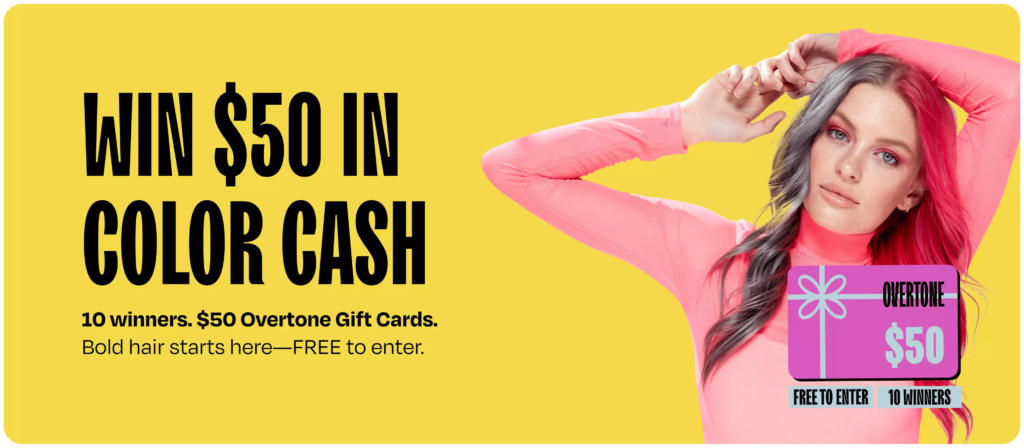
Hair color represents one of the most accessible and impactful forms of personal transformation. Whether subtle highlights, dramatic fashion colors, or natural coverage, changing hair color affects how individuals see themselves and how others perceive them. This comprehensive exploration examines the psychological motivations behind hair color changes, the cultural significance of different hues, the technical aspects of achieving and maintaining vibrant colors, the evolution of hair color products and techniques, and the growing movement toward creative self-expression through unconventional shades. Plus, enter the Overtone Color Cash Giveaway for your chance to win $50 toward your next color adventure!
The Psychology of Hair Color Transformation
Changing hair color serves multiple psychological functions beyond aesthetic preferences. Research in appearance psychology demonstrates that altering physical appearance—particularly visible changes like hair color—can significantly impact self-perception, confidence, and mood. Hair color changes often accompany major life transitions: new jobs, relationship changes, personal milestones, or simply the desire for renewal. This phenomenon reflects the human need for control over self-presentation and the symbolic fresh start that visible transformation provides.
The decision to color hair involves complex motivations. Some individuals seek to enhance natural features, using color to complement skin tones or eye colors. Others pursue dramatic changes that signal identity shifts or rebellion against conventional expectations. Fashion colors—vibrant pinks, blues, purples, and greens—particularly appeal to those expressing creativity, individuality, or subcultural affiliations. These unconventional choices communicate personality traits like openness to experience, artistic sensibility, and willingness to challenge norms.
Hair color also affects how others perceive and interact with individuals. Stereotypes associate different colors with specific personality traits—blondes perceived as fun-loving, brunettes as serious and intelligent, redheads as fiery and passionate. While these stereotypes lack scientific basis, they influence social interactions and self-fulfilling prophecies. Individuals who color their hair may internalize these associations, subtly shifting behavior to align with perceived expectations. This interplay between appearance and identity demonstrates the profound psychological impact of seemingly superficial choices.
Color and Emotional Expression
Color psychology extends to hair color choices. Warm tones (reds, coppers, golds) convey energy, passion, and warmth, while cool tones (ash browns, platinum blondes, blue-blacks) suggest sophistication, calm, and mystery. Fashion colors amplify emotional expression—hot pink signals playfulness and confidence, deep purple conveys creativity and luxury, while pastel shades communicate softness and whimsy. Choosing hair colors becomes a form of emotional communication, broadcasting internal states and desired perceptions to the world.
The temporary nature of many modern hair color products—particularly conditioning colors and semi-permanent dyes—allows for fluid identity expression. Individuals can experiment with different colors matching moods, seasons, or life phases without permanent commitment. This flexibility appeals to younger generations valuing authenticity and self-exploration over fixed identities. The ability to change hair color frequently transforms it from static attribute into dynamic aspect of self-presentation, responsive to evolving preferences and circumstances.
Cultural Significance and Historical Context
Hair color carries cultural meanings varying across societies and historical periods. In ancient Rome, blonde hair was highly prized, leading women to use saffron and other substances for lightening. Medieval Europe associated red hair with witchcraft and moral suspicion, while Victorian England favored natural, modest colors reflecting moral propriety. These historical attitudes demonstrate how hair color intersects with cultural values, social hierarchies, and moral judgments.
Contemporary Western culture generally embraces hair color diversity, though workplace policies and social expectations still constrain choices in professional contexts. The gradual acceptance of fashion colors in corporate environments reflects broader cultural shifts toward individuality and self-expression. However, racial and ethnic dimensions complicate hair color politics. Natural hair movements challenge Eurocentric beauty standards privileging straight, light-colored hair, while cultural appropriation debates arise when individuals adopt styles or colors associated with specific ethnic groups.
Different cultures maintain distinct hair color preferences and meanings. East Asian cultures traditionally valued black hair as ideal, though contemporary trends embrace browns, highlights, and even fashion colors among younger generations. Middle Eastern cultures often favor rich, dark colors, while Latin American preferences span diverse shades reflecting ethnic diversity. These cultural variations remind us that hair color significance extends beyond individual choice, embedding in broader social contexts and collective aesthetics.
The Rise of Fashion Colors and Creative Expression
The past decade witnessed explosive growth in unconventional hair colors. Social media platforms, particularly Instagram and TikTok, showcase vibrant hair transformations, inspiring millions to experiment with creative colors. Celebrity adoption of fashion colors—from Katy Perry’s blue hair to Billie Eilish’s green roots—normalizes unconventional choices and influences mainstream trends. This visibility creates permission structures allowing ordinary individuals to explore colors previously considered too bold or unprofessional.
The fashion color movement reflects broader cultural emphasis on authenticity and self-expression. Younger generations particularly value visible markers of individuality, using hair color as canvas for personal creativity. The temporary nature of many fashion color products reduces risk, allowing experimentation without permanent consequences. This accessibility democratizes creative expression, making artistic hair color achievable for those without professional colorist access or unlimited budgets.
Technical Aspects of Hair Coloring
Understanding hair color chemistry helps individuals achieve desired results while maintaining hair health. Hair consists of three layers: the cuticle (outer protective layer), cortex (middle layer containing melanin pigments), and medulla (innermost core). Hair color products work by penetrating the cuticle to deposit or remove pigment in the cortex. The effectiveness and permanence depend on product formulation and application method.
Permanent hair color uses oxidative dyes combining ammonia (or ammonia alternatives) with hydrogen peroxide. Ammonia opens the cuticle, allowing peroxide to penetrate and lighten natural melanin while depositing new color molecules. This process permanently alters hair structure, requiring root touch-ups as hair grows. While effective for dramatic changes and gray coverage, permanent color can damage hair through repeated chemical processing, causing dryness, breakage, and loss of elasticity.
Semi-permanent and demi-permanent colors offer gentler alternatives. Semi-permanent colors deposit pigment without lifting natural color, gradually fading over 4-12 washes. These products typically contain no ammonia or peroxide, making them less damaging. Demi-permanent colors use low-volume peroxide for slight lightening and longer-lasting results (12-24 washes) while remaining gentler than permanent options. These intermediate choices balance longevity with hair health, appealing to those wanting color without commitment or damage.
Conditioning Color Technology
Recent innovations introduced conditioning color products combining pigment deposition with intensive conditioning treatments. Brands like Overtone pioneered this category, offering deeply pigmented conditioners that color hair while improving moisture, shine, and manageability. These products work best on pre-lightened or naturally light hair, as they deposit rather than lift color. The conditioning base counteracts typical color-related dryness, making them ideal for maintaining vibrant fashion colors between salon visits or achieving temporary color changes without damage.
Conditioning colors appeal to DIY enthusiasts and those prioritizing hair health. The application process resembles regular conditioning—apply to clean, damp hair, leave for specified time, rinse—making it accessible without professional expertise. The temporary nature (lasting 2-8 weeks depending on hair porosity and color intensity) allows frequent color changes, supporting the fluid identity expression many contemporary consumers desire. This technology democratizes creative hair color, removing barriers of cost, commitment, and damage previously limiting experimentation.
Achieving and Maintaining Vibrant Colors
Successful hair coloring requires preparation, proper application, and diligent maintenance. For dramatic color changes or fashion colors, pre-lightening (bleaching) often proves necessary to create blank canvas for pigment deposition. Bleaching removes natural melanin, allowing vibrant colors to show true-to-bottle results. However, bleaching significantly damages hair, requiring careful technique, quality products, and realistic expectations about hair health trade-offs. Professional consultation helps determine whether desired colors are achievable given starting hair condition and color.
Color application technique affects results significantly. Sectioning hair ensures even coverage, while proper timing prevents over-processing or insufficient color development. For fashion colors, strand tests help predict final results and identify potential issues before full application. Understanding hair porosity—how readily hair absorbs and retains moisture and color—guides product selection and processing times. High-porosity hair (damaged or chemically treated) absorbs color quickly but fades faster, while low-porosity hair (healthy, virgin) resists color absorption but retains it longer once deposited.
Maintaining vibrant color requires dedicated care routines. Color-safe shampoos free from sulfates prevent premature fading by avoiding harsh detergents that strip pigment. Washing hair less frequently—2-3 times weekly rather than daily—extends color longevity. Cold water rinses seal cuticles and lock in color, while hot water opens cuticles and accelerates fading. Deep conditioning treatments weekly restore moisture and repair damage, maintaining hair health despite chemical processing. UV protection products shield hair from sun exposure, which oxidizes and fades color molecules.
Troubleshooting Common Color Challenges
Color mishaps occur even with careful planning. Uneven color results from inconsistent application or varying hair porosity across sections. Color correction involves identifying underlying pigments and neutralizing unwanted tones—purple shampoo cancels yellow/brass in blonde hair, blue tones neutralize orange, green counteracts red. Severe color disasters may require professional correction, as attempting multiple home corrections often worsens problems and increases damage.
Unexpected color results stem from various factors: mineral deposits in water affecting color development, previous color treatments creating unpredictable bases, or product interactions causing chemical reactions. Chelating shampoos remove mineral buildup before coloring, improving color uptake and consistency. Strand tests on hidden sections reveal potential issues before full application. When in doubt, professional consultation prevents costly mistakes and protects hair health—some color corrections require expertise beyond DIY capabilities.
The Economics of Hair Color
Hair coloring represents significant ongoing expense. Professional salon coloring ranges from $50-$300+ depending on technique complexity, color type, hair length, and geographic location. Balayage, ombre, and other dimensional techniques requiring artistic skill command premium prices. Regular maintenance—root touch-ups every 4-6 weeks for permanent color, toning sessions, deep conditioning treatments—accumulates substantial annual costs. For those maintaining fashion colors, frequent salon visits for color refreshing or corrections further increase expenses.
DIY coloring offers cost savings but requires investment in quality products, tools, and education. Box dyes from drugstores cost $5-$15 but often produce unpredictable results and may damage hair more than professional products. Professional-grade products available through beauty supply stores offer better quality at moderate prices ($15-$40) but require technical knowledge for proper use. Conditioning colors and semi-permanent options ($20-$30) provide accessible entry points for color experimentation without professional expense or commitment.
The total cost of colored hair includes maintenance products: color-safe shampoos and conditioners ($15-$40), deep conditioning masks ($20-$50), heat protectants ($15-$30), and color-depositing products for between-color refreshing ($20-$35). These specialized products preserve color investment and maintain hair health, but represent ongoing expenses beyond initial coloring costs. Budget-conscious individuals must weigh these costs against the value they derive from colored hair, finding sustainable approaches matching financial constraints.
Maximizing Color Value
Strategic approaches extend color longevity and reduce costs. Choosing lower-maintenance techniques—balayage rather than all-over color, or fashion colors on ends rather than roots—reduces touch-up frequency. Stretching time between salon visits through at-home toning, color-depositing treatments, or strategic root coverage saves money while maintaining appearance. Learning basic DIY skills for simple touch-ups or color refreshing reduces professional service dependence, though complex techniques still warrant professional expertise.
Investing in quality products and tools pays long-term dividends. Better shampoos and conditioners preserve color longer, reducing recoloring frequency. Quality application tools—brushes, bowls, sectioning clips—improve DIY results and last years. Education through online tutorials, classes, or consultations prevents costly mistakes requiring professional correction. Viewing hair color as long-term investment rather than one-time expense encourages sustainable practices protecting both hair health and financial resources.
Ready to Transform Your Color? Enter Below!
Prize Details
- Total Winners:
- 10 winners
- Prize per Winner:
- One (1) Overtone eGift Card valued at $50 USD
- Total Prize Value:
- $500 (10 × $50)
- Prize Details:
- Non-transferable, no cash equivalent or substitution except at Sponsor’s discretion
- Tax Responsibility:
- Winners solely responsible for applicable taxes
- Promotional Rights:
- Winners grant Sponsor right to use name and likeness for promotional purposes (unless prohibited by law)
How to Enter
- Entry Method:
- Submit required form via official giveaway page
- Entry Period:
- January 19, 2026 (12:00 AM EST) through January 29, 2026 (11:59 PM EST)
- Entry Requirements:
- Complete entries only; incomplete, duplicate, or noncompliant entries will be disqualified
- Prohibited Methods:
- Automated or fraudulent entry methods not permitted
- Winner Selection:
- Random drawing under Sponsor supervision
- Winner Notification:
- Via email by February 3, 2026
Rules & Eligibility
- Sponsor:
- Overtone Color
- Eligibility:
- Not specified in rules (likely US residents, 18+)
- Odds of Winning:
- Depend on total number of eligible entries received
- Response Deadline:
- Winners must respond within 5 days or alternate winner may be selected
- Governing Law:
- United States and State of New York
- Social Media Disclaimer:
- Not sponsored, endorsed, or administered by Instagram, Facebook, TikTok, or any other platform