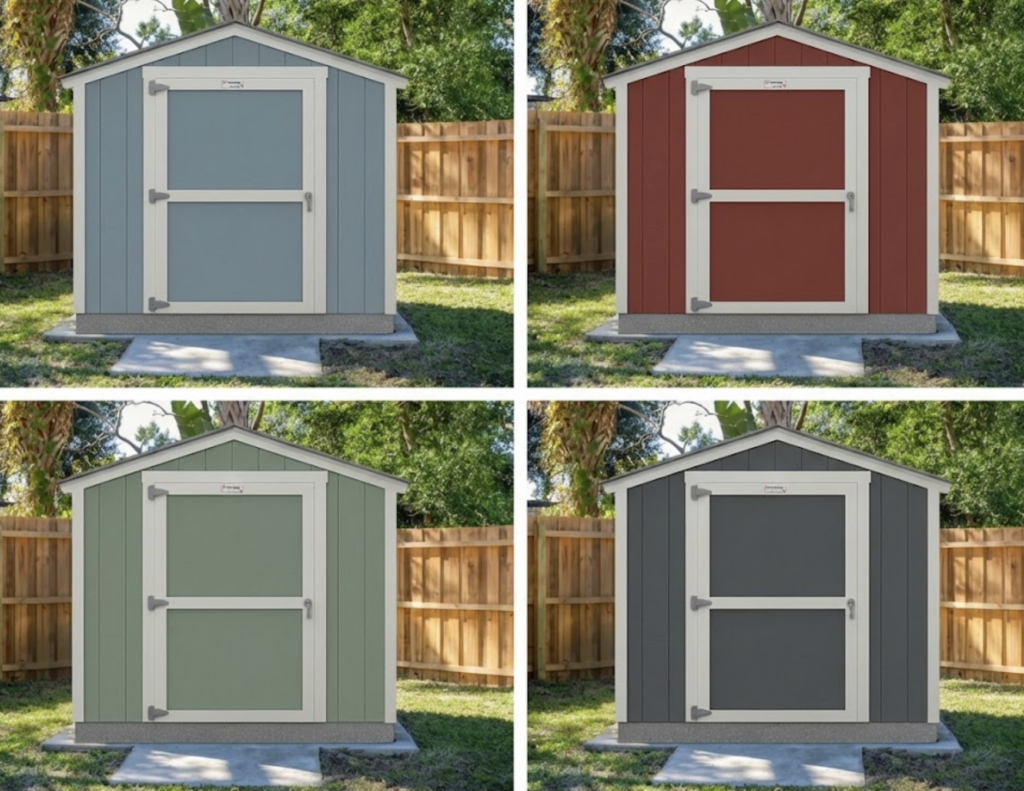
🏡 The Ultimate Guide to Backyard Organization and Outdoor Storage Solutions
A well-organized backyard transforms outdoor spaces from cluttered, underutilized areas into functional extensions of your home that enhance property value, improve quality of life, and create opportunities for recreation, relaxation, and productive activities. For most homeowners, the backyard gradually accumulates lawn equipment, gardening tools, seasonal decorations, outdoor furniture, sports equipment, and countless other items that lack designated storage locations, resulting in visual chaos, wasted space, and the frustration of never finding what you need when you need it. Strategic outdoor storage solutions—particularly dedicated storage buildings like quality sheds—address these challenges by providing weather-protected space that keeps belongings organized, accessible, and in good condition while freeing up garage and basement space for vehicles and indoor activities. This comprehensive guide explores evidence-based strategies for assessing your outdoor storage needs, selecting appropriate storage solutions, organizing backyard spaces for maximum functionality, maintaining outdoor storage systems, and creating a backyard environment that serves your lifestyle rather than overwhelming it. Plus, enter the Tuff Shed SR-640 Sweepstakes for your chance to win a premium 8’x8′ storage building worth up to $4,000!
Understanding Your Outdoor Storage Needs
Effective outdoor storage begins with comprehensive assessment of what you actually need to store, how frequently you access different items, and what environmental protection various belongings require. This assessment prevents the common mistake of purchasing storage solutions that prove too small, inappropriately configured, or poorly suited to your actual usage patterns. Start by inventorying everything currently stored outdoors or in garages and basements that could relocate to outdoor storage—lawn mowers, trimmers, leaf blowers, hand tools, gardening supplies, hoses and watering equipment, fertilizers and chemicals, seasonal decorations, outdoor furniture cushions, sports equipment, bicycles, camping gear, and any other items that accumulate in outdoor spaces. Measuring or estimating the space these items occupy provides baseline data for determining storage capacity requirements.
Beyond simple capacity, consider access frequency and seasonal variation in storage needs. Items used weekly or daily—lawn mowers, frequently used tools, currently relevant seasonal items—require easily accessible storage locations, while seasonal decorations, occasional equipment, and archived items can occupy less convenient spaces. Seasonal fluctuation matters significantly for many homeowners, as winter storage needs differ dramatically from summer requirements when outdoor furniture, pool equipment, and gardening supplies dominate storage demands. Storage solutions that accommodate these shifting needs through flexible organization systems prevent the frustration of constantly rearranging to fit current requirements.
Environmental protection requirements vary substantially across different categories of stored items. Power equipment, electronics, and anything with motors or batteries requires weather-protected storage that prevents moisture damage and temperature extremes. Metal tools and equipment need dry storage to prevent rust and corrosion. Chemicals, fertilizers, and paints often require specific storage conditions to remain effective and safe. Understanding these requirements helps determine whether simple weather-resistant storage, fully enclosed buildings, climate-controlled spaces, or specialized storage solutions best serve your needs. Matching storage solutions to actual protection requirements prevents both under-protection that damages belongings and over-investment in unnecessary features.
Evaluating Your Property and Space Constraints
Property characteristics significantly influence which storage solutions work best for your situation. Lot size, yard configuration, existing structures, HOA restrictions, local building codes, and aesthetic considerations all constrain storage options and affect implementation feasibility. Begin by identifying potential storage locations—areas with adequate space, reasonable access, appropriate drainage, and compatibility with your property’s layout and usage patterns. Consider how storage placement affects traffic flow, sight lines, property aesthetics, and functional use of outdoor spaces. Storage buildings that block desirable views, create awkward traffic patterns, or dominate visual attention often prove regrettable regardless of their storage capacity.
Local regulations and restrictions require investigation before committing to storage solutions. Many municipalities regulate shed size, placement, height, and appearance through zoning codes and building permits. Homeowners associations frequently impose additional restrictions on outdoor structures, including design requirements, placement limitations, and approval processes. Understanding these constraints early prevents investing in solutions that violate regulations or require expensive modifications. Most areas allow small sheds without permits, but larger structures, permanent foundations, or buildings close to property lines typically trigger permit requirements and setback regulations.
Storage Shed Options and Selection Criteria
Storage sheds represent the most popular and versatile outdoor storage solution, offering weather protection, security, and substantial capacity in configurations ranging from compact tool sheds to large workshop buildings. Understanding available shed types, construction methods, and quality indicators helps select options that provide long-term value rather than creating new problems through poor quality or inappropriate selection. The storage shed market spans enormous price and quality ranges, from inexpensive prefabricated metal sheds that may last only a few years to premium custom-built structures that function as permanent buildings lasting decades.
Material choice fundamentally affects shed durability, maintenance requirements, appearance, and cost. Wood sheds offer traditional aesthetics, customization flexibility, and natural insulation properties, but require regular maintenance including painting or staining, and remain vulnerable to rot, insects, and weather damage without proper care. Metal sheds provide durability, fire resistance, and low maintenance, but suffer from condensation issues, limited insulation, potential rust problems, and industrial appearance that may clash with residential aesthetics. Vinyl and resin sheds offer weather resistance and minimal maintenance with moderate durability and limited customization options. Each material presents tradeoffs that align better or worse with different priorities, climates, and usage patterns.
Construction quality varies dramatically even within material categories. Premium wood sheds feature pressure-treated lumber, proper foundation systems, quality roofing materials, and robust construction that withstands weather and use. Budget wood sheds may use untreated lumber, inadequate foundations, cheap roofing, and minimal structural support that leads to rapid deterioration. Similar quality ranges exist for metal and resin sheds. Key quality indicators include material thickness and grade, foundation and floor systems, roof pitch and materials, door and window quality, hardware durability, and overall structural design. Investing in quality construction typically proves more economical long-term than replacing cheap sheds every few years.
Shed Size and Configuration Considerations
Determining appropriate shed size requires balancing storage needs, available space, budget constraints, and regulatory limitations. Common residential shed sizes range from compact 6’x8′ tool sheds to substantial 12’x16′ or larger workshop buildings. The most popular sizes—8’x8′, 8’x10′, 10’x12’—provide meaningful storage capacity while fitting most residential properties and staying within permit-free size limits in many jurisdictions. However, many homeowners regret choosing sheds that prove too small, as expanding storage capacity later requires purchasing additional sheds or replacing existing structures. Planning for growth and considering future needs often justifies selecting larger sizes than current requirements strictly demand.
Internal configuration affects usability as much as total square footage. Shed height determines whether you can store tall items and work comfortably inside. Door size and placement affect what equipment you can easily move in and out—riding mowers, large equipment, and bulky items require wide doors and adequate clearance. Window placement provides natural light that makes finding items easier and creates more pleasant working environments. Shelving, hooks, and organizational features maximize usable storage capacity and keep items accessible rather than buried in piles. Some manufacturers offer customization options including additional windows, larger doors, built-in shelving, and interior finishing that enhance functionality for specific uses.
Site Preparation and Foundation Requirements
Proper site preparation and foundation systems prove critical for shed longevity and performance. Sheds placed directly on grass or dirt without adequate foundations suffer from moisture problems, structural settling, door and window misalignment, and accelerated deterioration. The appropriate foundation depends on shed size, local climate, soil conditions, and intended use. Small sheds may function adequately on gravel beds or concrete pavers, while larger structures benefit from concrete slabs or pier foundations that provide stable, level support and protect against ground moisture.
Site preparation begins with selecting locations with adequate drainage that prevent water accumulation around and under sheds. Grading the area to slope away from the shed location, installing drainage systems if necessary, and avoiding low spots where water collects protects foundations and prevents moisture problems. Clearing vegetation, removing roots, and creating level building pads provides stable bases for foundation systems. Many homeowners underestimate site preparation requirements and attempt to place sheds on unprepared ground, leading to problems that could have been prevented through proper initial preparation.
Foundation options span simple to complex systems with corresponding cost and performance differences. Gravel beds provide basic drainage and leveling for small sheds but offer limited protection and stability. Concrete pavers or blocks create more stable foundations suitable for medium sheds when properly leveled and bedded. Concrete slabs provide premium foundations with excellent stability, moisture protection, and longevity, but require professional installation and significant cost. Pier foundations using concrete footings support shed corners and perimeter, offering good stability and drainage at moderate cost. The optimal foundation balances performance requirements, budget constraints, and local conditions.
Professional Installation Versus DIY Assembly
Shed installation options range from complete professional installation to DIY assembly of prefabricated kits. Professional installation eliminates assembly labor, ensures proper construction, typically includes site preparation and foundation work, and often provides warranties covering installation quality. However, professional installation adds substantial cost—often 30-50% of shed price—that may exceed budget constraints. DIY assembly saves money but requires tools, skills, time, and physical capability to complete assembly properly. Many homeowners overestimate their DIY abilities and underestimate assembly complexity, leading to frustrating experiences and potentially compromised shed quality.
Prefabricated shed kits vary dramatically in assembly difficulty. Some feature pre-assembled wall panels and simplified construction that reasonably skilled homeowners can complete in a day or weekend. Others require extensive assembly from individual components with complex instructions and numerous steps that challenge even experienced builders. Reviewing assembly requirements, reading customer experiences, and honestly assessing your skills and available help prevents purchasing kits that prove overwhelming. For many homeowners, paying for professional installation or selecting higher-quality pre-built sheds delivered and installed represents better value than struggling through difficult DIY assembly.
Organizing Shed Interior for Maximum Functionality
Acquiring a quality shed solves only half the storage challenge—effective interior organization determines whether sheds function as useful storage spaces or become cluttered dumping grounds where nothing can be found. Strategic organization systems maximize usable capacity, keep items accessible, protect belongings from damage, and maintain order over time. The most effective shed organization combines vertical storage, logical categorization, appropriate storage containers, and regular maintenance that prevents gradual descent into chaos.
Vertical storage through shelving, pegboards, hooks, and wall-mounted systems dramatically increases shed capacity by utilizing wall space that otherwise remains empty. Heavy items and frequently used equipment belong on lower shelves or floor level for easy access and safety. Lighter items, seasonal equipment, and less frequently accessed belongings can occupy higher shelves and overhead storage. Pegboards with hooks provide flexible storage for hand tools, garden tools, and equipment that benefits from visible, accessible hanging storage. Wall-mounted brackets hold long-handled tools, ladders, and other awkward items that consume excessive floor space when stored conventionally.
Categorizing and grouping related items creates logical organization that makes finding things intuitive rather than requiring memory or searching. Gardening supplies, lawn care equipment, seasonal decorations, sports equipment, and tools each deserve designated zones within shed storage. Clear labeling of shelves, bins, and storage areas reinforces organization and helps family members return items to proper locations. Transparent storage containers allow seeing contents without opening every box, while weatherproof bins protect items from dust, moisture, and pests even within enclosed sheds.
Seasonal Rotation and Maintenance
Seasonal storage needs fluctuate significantly for most homeowners, requiring periodic reorganization to keep currently relevant items accessible while storing off-season equipment efficiently. Implementing seasonal rotation systems prevents sheds from becoming increasingly chaotic as seasons change and different equipment comes in and out of use. Designating specific areas for seasonal rotation—front sections for current season items, back areas for off-season storage—creates consistent organization that adapts to changing needs without complete reorganization.
Regular shed maintenance preserves both the structure and stored contents. Annual inspections identify developing problems—roof leaks, door alignment issues, foundation settling, pest intrusion—before they cause significant damage. Cleaning sheds periodically removes accumulated dirt, cobwebs, and debris that contribute to deterioration and pest problems. Treating wood sheds with appropriate sealers or stains protects against weather damage and extends lifespan. Lubricating door hinges, checking roof integrity, and addressing minor repairs promptly prevents small problems from becoming major issues requiring expensive repairs or premature replacement.
Complementary Outdoor Storage Solutions
While storage sheds provide primary outdoor storage for many homeowners, complementary storage solutions address specific needs and maximize overall backyard organization. Deck boxes offer weather-resistant storage for cushions, pool supplies, and frequently accessed items near outdoor living areas. Vertical storage cabinets provide compact storage for smaller yards where full sheds don’t fit. Tool racks and garden tool organizers keep frequently used items accessible without requiring trips to sheds. Bicycle storage systems, kayak racks, and specialized equipment storage address specific items that benefit from dedicated solutions.
Garage organization often works in conjunction with outdoor storage to create comprehensive property-wide storage systems. Relocating lawn equipment, seasonal items, and bulky outdoor belongings to sheds frees garage space for vehicles, workshops, or indoor storage. This complementary approach maximizes total storage capacity and ensures each space serves its optimal purpose rather than garages becoming catch-all storage that prevents parking vehicles. For many homeowners, adding outdoor storage sheds proves more cost-effective than garage expansions or basement finishing for gaining needed storage capacity.
Garden storage solutions including potting benches, tool sheds, and greenhouse combinations serve homeowners with significant gardening activities. These specialized structures provide dedicated spaces for gardening work, tool storage, and plant cultivation that keep gardening organized and efficient. Combining functional storage with attractive design creates backyard features that enhance property aesthetics while serving practical purposes. Many premium garden structures function as focal points that improve landscape design rather than merely utilitarian storage buildings.
🏡 You Made It! Enter Giveaway Below
🏆 Prizes
- Number of Winners:
- 4 Grand Prize winners (1 per period)
- Prize:
- 8′ x 8′ Tuff Shed Sundance Series® SR-640 building
- Maximum Value:
- $4,000 (includes optional upgrades)
- Customization:
- Can select alternate model/size up to $4,000 value
- Delivery:
- Must take delivery within 90 days
📅 Drawing Dates
- Period #1:
- Jan 1 – Mar 31, 2026 | Drawing: April 1, 2026
- Period #2:
- Apr 1 – Jun 30, 2026 | Drawing: July 1, 2026
- Period #3:
- Jul 1 – Sep 30, 2026 | Drawing: Oct 1, 2026
- Period #4:
- Oct 1 – Dec 31, 2026 | Drawing: Jan 2, 2027
✅ How to Enter
- Entry Method:
- Fill out online registration form on Tuff Shed website
- Entry Limit:
- ONE ENTRY PER HOUSEHOLD
- Multiple Periods:
- Entries do NOT carry forward – must enter each period separately
- Winner Selection:
- Random drawing from eligible entries
- Notification:
- By phone, email, or postal mail
🎯 Eligibility
- Age Requirement:
- 18+ years old
- Residency:
- Legal residents of USA only
- Excluded States:
- Alaska, Hawaii, Puerto Rico, US territories
- Multiple Wins:
- Winner of one period cannot win another period
- Partnership:
- Tuff Shed & The Home Depot