🌶️ The Ultimate Guide to Hot Sauce: From Health Benefits to Culinary Heat
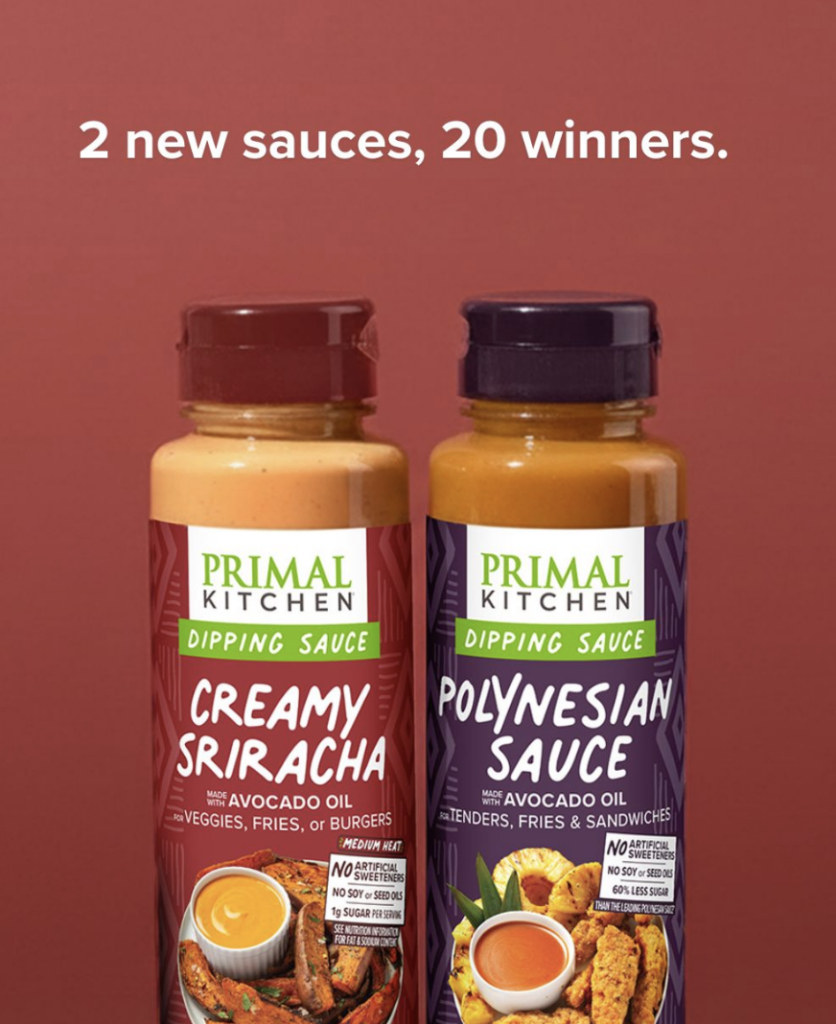
In a world of culinary exploration, few condiments command the same level of devotion and excitement as hot sauce. From a subtle tingle to a five-alarm fire on the tongue, the sensation of spicy food is a unique experience that has captivated humanity for centuries. But beyond the thrill of the heat, a growing body of scientific research reveals that our love for spicy food may be doing more for us than just tantalizing our taste buds. The secret lies in a powerful compound called capsaicin, the active ingredient in chili peppers that gives them their characteristic kick. This comprehensive guide explores the profound health benefits of capsaicin, the science behind its metabolism-boosting effects, and the surprising link between spicy food and longevity. Plus, enter the Primal Kitchen Dipping Sauce Giveaway for your chance to win their hottest new sauce drop!
The Science of Spice: How Capsaicin Supercharges Your Metabolism
For years, fitness enthusiasts and health experts have touted the metabolism-boosting effects of spicy food, and now, science is backing up these claims. The hero of this story is capsaicin, a phytochemical that has been shown to have a remarkable impact on the body’s metabolic processes. When you consume capsaicin, it binds to a receptor in your cells called TRPV1. This interaction triggers a slight increase in your body’s core temperature, a process known as thermogenesis. To cool itself down, your body has to expend more energy, which in turn burns more calories.
But the benefits don’t stop there. Research has also shown that capsaicin can help to suppress appetite and increase feelings of satiety. A 2014 study published in the journal Appetite found that people who consumed red pepper with every meal felt more full and had fewer cravings. This dual action of boosting metabolism and reducing appetite makes capsaicin a powerful tool for weight management.
Furthermore, studies have indicated that capsaicin can play a role in what’s known as “fat oxidation,” which is the process of breaking down stored fat for energy. A 2017 review in the International Journal of Molecular Sciences concluded that capsaicin plays a critical role in metabolic health and has multiple benefits for weight loss, especially for obese individuals. While it’s not a magic bullet, incorporating spicy foods into a balanced diet can provide a significant edge in achieving and maintaining a healthy weight.
A Spicy Path to Longevity: More Than Just a Flavor Boost
The connection between diet and lifespan is a subject of intense scientific scrutiny, and spicy food is emerging as a surprising ally in the quest for a longer, healthier life. Several large-scale studies have pointed to a correlation between regular consumption of spicy foods and a reduced risk of mortality. A landmark 2015 study published in The BMJ that followed nearly half a million people in China for several years found that those who ate spicy foods 6 or 7 days a week had a 14% lower risk of premature death compared to those who ate them less than once a week. The study also found an inverse association between spicy food consumption and deaths due to cancer, ischemic heart diseases, and respiratory diseases.
More recently, research presented at the American Heart Association’s Scientific Sessions in 2020 analyzed data from over 570,000 individuals and found that chili pepper consumption was associated with a 26% relative reduction in cardiovascular mortality, a 23% relative reduction in cancer mortality, and a 25% relative reduction in all-cause mortality. While these studies are observational and don’t prove causation, they suggest a powerful protective effect of spicy foods on long-term health.
Taming the Flame: The Anti-Inflammatory Power of Spice
Inflammation is a natural process that helps your body heal and fight off infections. However, chronic low-grade inflammation can contribute to a range of health problems, including heart disease, obesity, and type 2 diabetes. Capsaicin has been shown to have potent anti-inflammatory properties. It works by inhibiting the activity of certain proteins in the body that are involved in the inflammatory response. A 2025 study highlighted that spicy foods may slow comprehensive and organ-specific biological aging, especially metabolic and kidney biological aging, further underscoring the anti-inflammatory benefits of capsaicin.
Beyond chili peppers, other spices are also renowned for their anti-inflammatory effects. Turmeric, a key ingredient in many curries, contains a compound called curcumin, which is a powerful anti-inflammatory. Cinnamon, ginger, and garlic are also packed with anti-inflammatory compounds, making a well-spiced meal a delicious way to combat chronic inflammation.
A World of Heat: Exploring Different Types of Hot Sauces
The world of hot sauce is as diverse as it is flavorful. From the smoky chipotle to the fiery habanero, each pepper and each sauce offers a unique sensory experience. Here’s a look at some of the most popular types of hot sauces and their culinary applications:
| Hot Sauce Type | Key Pepper(s) | Flavor Profile | Scoville Heat Units (SHU) | Best For |
|---|---|---|---|---|
| Louisiana-Style | Cayenne | Vinegary, salty, and moderately spicy | 500 – 2,500 | Eggs, oysters, and Cajun cuisine |
| Chipotle | Smoked Jalapeño | Smoky, earthy, and mildly spicy | 2,500 – 8,000 | Tacos, grilled meats, and marinades |
| Sriracha | Red Chili | Garlicky, sweet, and tangy | 1,000 – 2,500 | Pho, noodles, and stir-fries |
| Habanero | Habanero | Fruity, floral, and intensely hot | 100,000 – 350,000 | Salsas, hot wings, and Caribbean dishes |
| Ghost Pepper | Bhut Jolokia | Smoky, sweet, and extremely hot | 855,000 – 1,041,427 | Extreme hot challenges, marinades (in moderation) |
A Journey Through Time: The Fiery History of Chili Peppers
The human fascination with chili peppers is not a recent phenomenon. Archaeological evidence suggests that chili peppers were one of the first plants to be domesticated in the Americas, with cultivation dating back over 6,000 years in Mexico and Peru. These early varieties were not just a source of food; they were also used for medicinal purposes and in rituals. When Christopher Columbus arrived in the Caribbean in 1492, he was introduced to the local “aji” peppers and, mistaking them for a relative of the black pepper he was seeking, called them “peppers.” This misnomer stuck, and Columbus is credited with introducing chili peppers to Europe.
From Europe, chili peppers spread rapidly along trade routes to Africa, Asia, and the Middle East, transforming cuisines and cultures along the way. In many parts of the world, chili peppers became an essential ingredient, not just for their flavor but also for their preservative properties. The capsaicin in chili peppers has antimicrobial effects, which helped to keep food from spoiling in the days before refrigeration.
Today, chili peppers are grown and consumed on every continent, with thousands of different varieties, each with its own unique flavor, heat level, and culinary application. From the mild Anaheim to the scorching Carolina Reaper, the world of chili peppers is a testament to the power of this humble fruit to shape the way we eat and live.
Choosing Your Heat: A Guide to the Scoville Scale
With so many different types of chili peppers and hot sauces available, it can be daunting to know where to start. The Scoville scale, developed by American pharmacist Wilbur Scoville in 1912, is a measurement of the pungency (spicy heat) of chili peppers. The scale is based on the concentration of capsaicinoids, with the primary capsaicinoid being capsaicin. The number of Scoville Heat Units (SHU) indicates the amount of capsaicin present.
Here’s a simplified look at the Scoville scale to help you navigate the world of heat:
- 0 SHU: Bell Pepper
- 100 – 1,000 SHU: Pimento, Pepperoncini
- 1,000 – 5,000 SHU: Jalapeño, Tabasco Sauce
- 5,000 – 30,000 SHU: Serrano Pepper, Cayenne Pepper
- 30,000 – 100,000 SHU: Thai Chili, Bird’s Eye Chili
- 100,000 – 350,000 SHU: Habanero, Scotch Bonnet
- 350,000 – 1,500,000 SHU: Red Savina Habanero, Ghost Pepper, Naga Viper
- 1,500,000 – 2,200,000+ SHU: Trinidad Moruga Scorpion, Carolina Reaper
When choosing a hot sauce, it’s important to consider not just the heat level but also the flavor profile. Some sauces are vinegary, while others are sweet or smoky. The best way to find your perfect hot sauce is to experiment with different types and brands. Start with a milder sauce and gradually work your way up the Scoville scale as your tolerance for heat increases.
The Art of Food Pairing: Matching Hot Sauce with Your Meals
Pairing hot sauce with food is an art form that goes beyond simply adding heat. The right hot sauce can enhance the flavors of a dish, adding complexity and depth. The key is to balance the heat of the sauce with the other elements of the meal. A vinegary Louisiana-style hot sauce, for example, can cut through the richness of fried chicken or a creamy oyster stew. A smoky chipotle sauce, on the other hand, is a perfect match for grilled meats and tacos, as it complements the charred flavors of the food.
When pairing hot sauces, consider the following:
- Flavor Profile: Does the sauce have a vinegary, fruity, smoky, or earthy flavor? Match the flavor profile of the sauce to the ingredients in your dish.
- Heat Level: Don’t overwhelm your food with a sauce that is too spicy. The goal is to enhance the flavors, not to mask them.
- Cuisine: Certain hot sauces are traditionally paired with specific cuisines. Sriracha, for example, is a staple in Southeast Asian cooking, while habanero sauces are popular in Caribbean and Latin American dishes.
DIY Hot Sauce: A Beginner’s Guide to Making Your Own Fiery Creations
For the ultimate hot sauce connoisseur, nothing beats the satisfaction of making your own. Homemade hot sauce allows you to control the ingredients, the heat level, and the flavor profile. Here is a simple recipe to get you started:
Ingredients:
- 1 pound of your favorite chili peppers (jalapeños, serranos, or habaneros are good choices)
- 4 cloves of garlic, peeled
- 1 cup of distilled white vinegar
- 1 tablespoon of salt
- 1 tablespoon of sugar (optional)
Instructions:
- Wash the peppers and remove the stems. If you want a milder sauce, you can also remove the seeds and membranes.
- In a blender, combine the peppers, garlic, vinegar, salt, and sugar (if using). Blend until smooth.
- Pour the mixture into a saucepan and bring to a boil. Reduce the heat and simmer for 15-20 minutes, or until the sauce has thickened slightly.
- Let the sauce cool completely, then pour it into a clean glass bottle or jar. Store in the refrigerator for up to a month.
Feel free to experiment with different types of peppers, spices, and other ingredients to create your own signature hot sauce.
The Culture of Heat: How Spicy Food Unites and Defines Communities
Spicy food is more than just a culinary preference; it’s a cultural phenomenon. In many parts of the world, the ability to tolerate and enjoy spicy food is a source of pride and a way of life. In Mexico, for example, chili peppers are an integral part of the national identity, with countless varieties used in everything from salsas to mole sauces. In Thailand, the fiery flavors of Thai chili peppers are a hallmark of the cuisine, and in India, a complex blend of spices, including chili, is used to create the vibrant and flavorful dishes that the country is known for.
Spicy food also has a way of bringing people together. From chili cook-offs to hot wing eating contests, the shared experience of eating spicy food can create a sense of camaraderie and community. It’s a way to challenge ourselves, to push our limits, and to connect with others who share our love of heat.
Beyond the Burn: The Endorphin Rush and the Psychology of a Chilihead
What is it about the pain of eating spicy food that some people find so pleasurable? The answer lies in the brain’s response to capsaicin. When you eat something spicy, the capsaicin activates the same pain receptors in your mouth that are triggered by actual heat. In response to this perceived pain, your brain releases endorphins, which are natural painkillers that produce a feeling of pleasure and euphoria. This “endorphin rush” is what keeps chiliheads coming back for more.
For some, the love of spicy food is also about the thrill of the challenge. It’s a way to test their limits and to prove their toughness. But for most chiliheads, it’s simply about the flavor. The heat of the chili pepper enhances the other flavors in a dish, making it more complex and interesting. It’s a sensory experience that is both painful and pleasurable, and it’s what makes spicy food so addictive.
The Future of Fiery Foods: Trends in the Hot Sauce Industry
The hot sauce industry is hotter than ever. What was once a niche market has exploded into a multi-billion dollar industry, with new brands and flavors emerging all the time. Some of the latest trends in the hot sauce industry include:
- Gourmet and Artisan Sauces: Consumers are increasingly looking for high-quality, small-batch hot sauces made with unique and interesting ingredients.
- Exotic Peppers: The demand for new and exotic chili peppers, such as the Carolina Reaper and the Trinidad Moruga Scorpion, is on the rise.
- Fruit-Infused Sauces: Many hot sauce makers are experimenting with fruit-infused sauces, which offer a sweet and spicy flavor combination.
- Health-Conscious Sauces: With the growing awareness of the health benefits of spicy food, many brands are now offering low-sodium, gluten-free, and all-natural hot sauces.
As the world of hot sauce continues to expand, one thing is for sure: our love affair with spicy food is here to stay. So go ahead, embrace the burn, and explore the exciting and flavorful world of hot sauce.
Building Your Heat Tolerance: A Step-by-Step Approach
For those new to the world of spicy food, the thought of eating a habanero pepper or a ghost pepper sauce can be intimidating. But building your heat tolerance is a gradual process that anyone can achieve with patience and persistence. The key is to start slow and work your way up. Begin with milder peppers like jalapeños or poblanos, and gradually introduce hotter varieties as your palate adjusts. Your taste buds and pain receptors will adapt over time, allowing you to enjoy increasingly spicy foods without the overwhelming burn.
One effective strategy is to incorporate small amounts of hot sauce into your daily meals. Start with a few drops on your eggs in the morning, or add a dash to your lunchtime sandwich. As your tolerance builds, you can increase the amount and experiment with hotter sauces. It’s also helpful to have dairy products on hand, as the casein protein in milk, yogurt, and cheese can help to neutralize the capsaicin and provide relief from the burn. Water, on the other hand, will only spread the capsaicin around your mouth, making the burn worse.
Another important tip is to pay attention to your body’s signals. If you experience severe discomfort, stomach pain, or other adverse reactions, it’s a sign that you may have gone too far too fast. Take a break, let your body recover, and resume your heat-building journey at a more moderate pace. Remember, the goal is to enjoy the flavors and benefits of spicy food, not to torture yourself.
The Global Spice Trade: How Chili Peppers Conquered the World
The story of the chili pepper is also the story of global trade and cultural exchange. After Columbus introduced chili peppers to Europe in the late 15th century, Portuguese and Spanish traders quickly recognized their value and began transporting them to their colonies in Africa, Asia, and beyond. The Portuguese, in particular, played a crucial role in spreading chili peppers to India, where they became an essential ingredient in the country’s cuisine. Today, India is one of the world’s largest producers and consumers of chili peppers.
In China, chili peppers were introduced in the 16th century and quickly became a staple in the cuisines of Sichuan and Hunan provinces. The fiery flavors of Sichuan peppercorns and chili oil are now synonymous with Chinese cuisine around the world. In Thailand, chili peppers were introduced by Portuguese traders in the 16th century and have since become an integral part of Thai cooking. The small but mighty Thai chili, also known as bird’s eye chili, is one of the hottest peppers in the world and is used in everything from curries to salads.
The global spread of chili peppers is a testament to their versatility and appeal. They have been embraced by cultures around the world, each adapting them to their own culinary traditions and creating new and exciting flavors in the process.
Capsaicin and Pain Relief: The Surprising Medical Applications
Beyond its culinary uses, capsaicin has also found a place in modern medicine. Topical capsaicin creams and patches are commonly used to treat chronic pain conditions such as arthritis, neuropathy, and fibromyalgia. When applied to the skin, capsaicin works by depleting a neurotransmitter called substance P, which is responsible for transmitting pain signals to the brain. Over time, this reduces the sensation of pain in the affected area.
Capsaicin has also been studied for its potential anti-cancer properties. Some research suggests that capsaicin can induce apoptosis, or programmed cell death, in certain types of cancer cells. While more research is needed to fully understand the mechanisms and potential applications, these findings are promising and suggest that capsaicin may have a role to play in cancer prevention and treatment.
Additionally, capsaicin has been shown to have cardiovascular benefits. It can help to lower blood pressure, improve circulation, and reduce cholesterol levels. These effects are thought to be related to capsaicin’s ability to stimulate the release of nitric oxide, a molecule that helps to relax and dilate blood vessels.
The Economics of Heat: Understanding the Hot Sauce Market
The hot sauce market has experienced explosive growth in recent years, driven by changing consumer preferences and a growing interest in bold and adventurous flavors. According to market research, the global hot sauce market was valued at over $3 billion in 2023 and is expected to continue growing at a rapid pace. This growth is being fueled by several factors, including the increasing popularity of ethnic cuisines, the rise of the “foodie” culture, and the growing awareness of the health benefits of spicy food.
The market is highly fragmented, with a mix of large multinational corporations and small artisan producers. Some of the most popular brands include Tabasco, Sriracha, Frank’s RedHot, and Cholula, but there are also thousands of smaller brands offering unique and innovative products. The rise of e-commerce has made it easier than ever for consumers to discover and purchase hot sauces from around the world, further fueling the market’s growth.
In addition to traditional retail channels, hot sauce is also becoming increasingly popular in the foodservice industry. Restaurants, fast-food chains, and food trucks are all incorporating hot sauce into their menus, offering customers a wide range of spicy options. This trend is expected to continue as consumers demand more flavorful and exciting dining experiences.
🌶️ You Made It! Enter Primal Kitchen Dipping Sauce Giveaway Below
🎁 Prize Details
- Prize:
- Primal Kitchen’s hottest new dipping sauce drop
- Number of Winners:
- 20 lucky winners
- Host:
- @primalkitchenfoods (Instagram)
- Description:
- “Hottest sauce drop – perfect for foodies!”
📅 Important Information
- Entry Period:
- Enter now before giveaway ends!
- Winner Announcement:
- Winners will be messaged by @primalkitchenfoods ONLY
- Theme:
- Celebrating spicy food lovers and hot sauce enthusiasts
✅ How to Enter
- Required Steps:
- 1. Share the Instagram post (save your share!)
2. Like Primal Kitchen’s last 2 posts
3. Tag 2 foodie friends in the comments
(No spam, celebrity, or fake accounts) - Entry Tips:
- Make sure you’re following @primalkitchenfoods on Instagram for the best chance to win!
📋 Eligibility
- Age:
- 18+ years old
- Location:
- Legal residents of the continental US only
- Requirements:
- Real Instagram account (no spam, celebrity, or fake accounts). Proof of entry may be required.
- Disclaimer:
- You have not won yet. This giveaway is not sponsored or administered by Instagram or Meta. Beware of scammers—winners will be contacted by @primalkitchenfoods ONLY. Full rules located in bio.