The Ultimate Guide to Epic Road Trips: Planning, Packing, and Making Memories
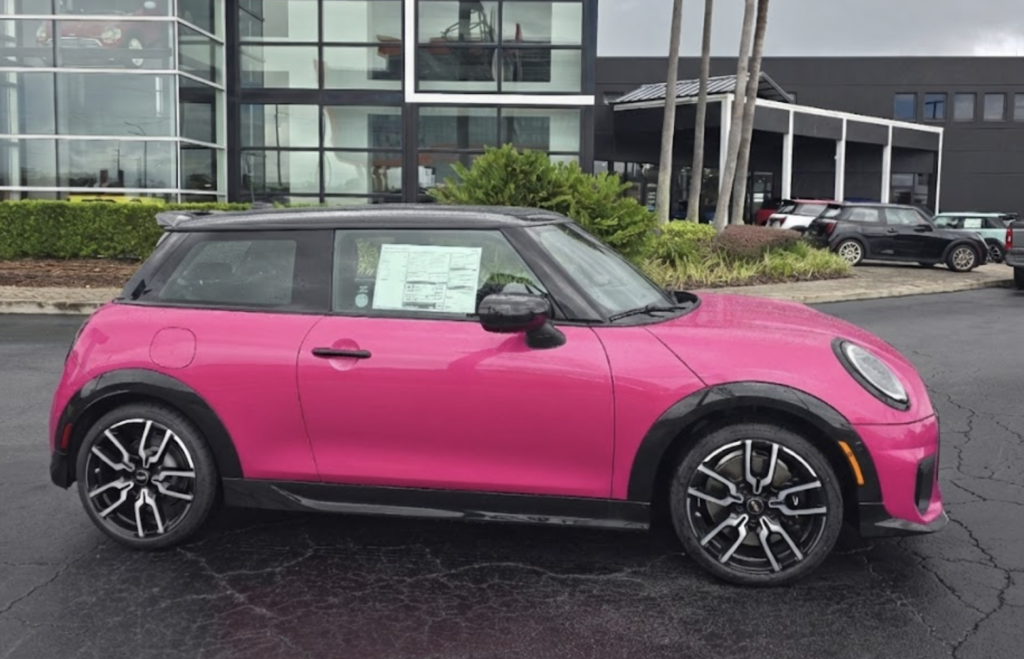
Road trips represent the quintessential adventure, offering freedom, spontaneity, and the opportunity to discover hidden gems between destinations. Whether cruising coastal highways, traversing mountain passes, or exploring small-town America, road trips create lasting memories and unique experiences impossible to replicate through other travel methods. From classic Route 66 journeys to modern scenic byways, the open road calls to adventurers seeking authentic connections with landscapes, cultures, and companions. This comprehensive guide explores everything you need to plan and execute the perfect road trip, from vehicle preparation and route planning to packing essentials and entertainment strategies. Plus, discover the Frito-Lay Minis Sweepstakes where you could win a 2026 MINI COOPER 2 DOOR or $30,000 cash—perfect for your next adventure!
Planning Your Route and Destinations
Successful road trips begin with thoughtful route planning that balances efficiency with exploration. Start by identifying your primary destination and must-see stops along the way, then research scenic routes, interesting detours, and hidden attractions between major points. Digital mapping tools provide distance and time estimates, but build in flexibility for spontaneous discoveries and unexpected delays. Consider the season and weather patterns for your route—mountain passes may be impassable in winter, while desert routes become challenging in summer heat. Balance driving time with rest stops and attractions, aiming for no more than six to eight hours of driving per day to avoid fatigue and allow time for experiences beyond the windshield.
Research accommodations in advance for popular destinations, especially during peak seasons, but maintain flexibility for less-traveled areas where spontaneous stops often yield the best experiences. National and state parks require advance reservations during busy periods, while small-town motels and campgrounds typically accommodate last-minute arrivals. Create a rough itinerary with daily targets but remain open to modifications based on weather, discoveries, or simply the desire to spend more time somewhere special. Some road trippers prefer detailed plans with reserved accommodations, while others embrace spontaneity with minimal planning. Find your comfort level between structure and flexibility, recognizing that the journey itself often proves more memorable than reaching specific destinations.
Scenic Byways and Alternative Routes
America’s scenic byways and alternative routes transform ordinary drives into extraordinary experiences. The Blue Ridge Parkway winds through Appalachian highlands offering stunning vistas and access to hiking trails. Pacific Coast Highway hugs California’s coastline with dramatic ocean views and charming coastal towns. Route 66, though no longer an official highway, remains iconic with preserved sections showcasing mid-century Americana. The Going-to-the-Sun Road in Glacier National Park provides alpine scenery accessible only during summer months. These designated scenic routes prioritize beauty over speed, featuring lower speed limits, frequent pullouts, and interpretive information. Research scenic alternatives to interstate highways—while interstates offer efficiency, parallel routes often provide more interesting landscapes, local restaurants, and authentic cultural experiences worth the extra time.
Vehicle Preparation and Maintenance
Proper vehicle preparation prevents breakdowns and ensures safe, comfortable travel. Schedule a comprehensive inspection before departure, including oil change, tire rotation, brake check, and fluid top-offs. Inspect tire tread depth and pressure, including the spare tire often neglected until needed. Check windshield wipers and replace if streaking, as clear visibility proves essential for safe driving. Verify that all lights function properly—headlights, taillights, brake lights, and turn signals. Test the air conditioning and heating systems, critical for comfort in various climates. Address any warning lights or unusual noises before departure rather than hoping they resolve themselves. Carry basic emergency supplies including jumper cables, flashlight, basic tools, tire pressure gauge, and emergency reflectors or flares.
Pack a vehicle emergency kit with first aid supplies, bottled water, non-perishable snacks, blankets, and phone chargers. Keep important documents accessible including registration, insurance cards, and roadside assistance information. Download offline maps for areas with limited cell coverage, and consider a roadside assistance membership providing peace of mind for mechanical issues. For longer trips, research mechanics along your route in case issues arise. Clean your vehicle before departure, removing unnecessary items that reduce fuel efficiency and create clutter. A well-maintained, properly prepared vehicle transforms road trips from stressful to enjoyable, allowing you to focus on experiences rather than mechanical concerns.
Fuel Efficiency and Cost Management
Maximizing fuel efficiency reduces costs and extends driving range between fill-ups. Maintain steady speeds using cruise control on highways, as constant acceleration and deceleration decrease efficiency. Reduce speed—fuel economy typically peaks around fifty-five to sixty-five miles per hour, declining significantly at higher speeds. Remove roof racks and cargo carriers when not in use, as aerodynamic drag reduces efficiency. Keep windows closed at highway speeds, using air conditioning instead which proves more efficient than open-window drag. Plan fuel stops strategically using apps that compare prices along your route. Fill up in areas with lower fuel costs, typically away from tourist destinations and interstate exits. Track fuel consumption to identify any sudden changes indicating mechanical issues. Budget for fuel costs based on your vehicle’s actual efficiency rather than optimistic estimates, adding buffer for unexpected detours or traffic delays.
Packing Essentials and Organization
Strategic packing maximizes space while ensuring access to essentials without unpacking everything. Use soft-sided luggage that conforms to available space better than rigid suitcases. Pack clothing in compression bags or packing cubes that organize items by type and reduce volume. Bring versatile clothing suitable for layering, accommodating temperature variations throughout the day and across different regions. Include rain gear regardless of forecast, as weather changes quickly in many areas. Pack a separate bag with daily essentials—snacks, water bottles, sunscreen, hand sanitizer, tissues, and entertainment—keeping it accessible in the passenger area rather than buried in the trunk.
Create a cooler strategy for perishable snacks and beverages, using ice packs that won’t create mess as they melt. Stock healthy snacks like nuts, dried fruit, granola bars, and fresh fruit that provide sustained energy without sugar crashes. Bring reusable water bottles for each passenger, refilling at rest stops to stay hydrated and reduce waste. Pack entertainment for all passengers including books, tablets loaded with movies or games, travel games, and music playlists. For families with children, prepare activity bags with coloring books, small toys, and travel-friendly games. Organize charging cables and power banks ensuring devices stay charged. Keep important items in a designated spot—wallet, phone, sunglasses, toll money—preventing frantic searches while driving.
Comfort Items and Personal Care
Small comfort items dramatically improve road trip enjoyment. Bring pillows and blankets for passengers to nap comfortably. Pack sunglasses and hats for sun protection during long driving days. Include personal care items in accessible bags—toothbrush, toothpaste, face wipes, deodorant, and any medications. Bring hand lotion and lip balm as vehicle air conditioning causes dryness. Pack a change of clothes in an accessible location for unexpected spills or weather changes. Consider bringing a small trash bag or container, keeping the vehicle tidy throughout the trip. For overnight stops, pack a separate bag with toiletries and next-day clothing, avoiding full luggage unpacking at each stop. These seemingly minor items prevent discomfort and inconvenience that can diminish road trip enjoyment.
Entertainment and Passing Time
Long driving hours require entertainment strategies keeping all passengers engaged and preventing boredom. Create diverse music playlists accommodating different tastes, or explore podcasts covering topics from true crime to comedy to educational content. Audiobooks transform driving time into reading time, with engaging narrators making miles disappear. For families, alternate between adult and child-friendly content, ensuring everyone enjoys some entertainment. Play classic road trip games like license plate bingo, twenty questions, or alphabet games finding letters on signs. These screen-free activities engage passengers while building memories and family bonding.
For solo travelers, podcasts and audiobooks provide companionship and mental stimulation during long stretches. Vary content types throughout the day—upbeat music during morning hours, interesting podcasts during afternoon drives, and relaxing content as evening approaches. Download content before departure for areas with limited connectivity. Take breaks from audio entertainment, enjoying silence or conversation and appreciating passing landscapes. Some stretches deserve undivided attention, particularly scenic routes where constant audio distracts from natural beauty. Balance entertainment with presence, remembering that road trips offer opportunities to disconnect from constant stimulation and simply experience the journey.
Photography and Memory Documentation
Documenting road trip memories creates lasting mementos while encouraging present-moment awareness. Designate a trip photographer or rotate responsibility among passengers. Capture landscapes, roadside attractions, meals, accommodations, and candid moments. Take photos at state or region borders, creating a visual record of your journey. Photograph quirky roadside attractions, local restaurants, and unexpected discoveries that define road trip character. Beyond photos, consider keeping a travel journal recording daily highlights, funny moments, and reflections. Some travelers create video diaries, recording short clips throughout each day. These documentation methods serve dual purposes—creating memories to revisit later while encouraging mindfulness and appreciation during the experience itself.
Safety Considerations and Driver Wellness
Safety must remain the top priority throughout any road trip. Never drive while drowsy—fatigue impairs judgment and reaction time as severely as alcohol. Take breaks every two hours or one hundred miles, stretching legs and refreshing focus. If traveling with others, alternate drivers allowing each person adequate rest. Solo travelers should be especially vigilant about fatigue, stopping for short naps when needed rather than pushing through drowsiness. Avoid driving during your body’s natural low-energy periods, typically mid-afternoon and late night. Stay hydrated and maintain blood sugar with healthy snacks, as dehydration and hunger contribute to fatigue and poor decision-making.
Obey speed limits and traffic laws, resisting pressure to match speeds of aggressive drivers. Allow extra following distance in unfamiliar areas or adverse weather. Use headlights during dawn, dusk, and any reduced visibility conditions. Be especially cautious in construction zones, school zones, and residential areas. Watch for wildlife, particularly during dawn and dusk in rural areas. If weather deteriorates significantly, find safe places to wait rather than continuing in dangerous conditions. Share your itinerary with someone not traveling with you, checking in regularly. Trust your instincts about accommodations, rest stops, and situations—if something feels unsafe, find alternatives. Road trip adventures should create positive memories, not risky situations compromising safety.
Handling Emergencies and Unexpected Situations
Despite careful planning, emergencies and unexpected situations occur. Stay calm and assess situations rationally rather than panicking. For vehicle breakdowns, safely exit traffic, activate hazard lights, and call roadside assistance. If you must exit the vehicle on a roadside, stay as far from traffic as possible. For medical emergencies, call 911 and provide clear location information. Keep a list of emergency contacts including roadside assistance, insurance company, and personal emergency contacts. If you encounter severe weather, find safe shelter rather than continuing travel. For minor issues like wrong turns or missed exits, simply adjust plans rather than making dangerous maneuvers. Flexibility and problem-solving transform potential disasters into minor inconveniences and sometimes lead to unexpected positive experiences.
Budgeting and Cost Management
Road trips can be budget-friendly or luxurious depending on choices and priorities. Create a realistic budget covering fuel, accommodations, meals, attractions, and emergency funds. Track spending throughout the trip using apps or simple notebooks, ensuring you stay within budget. Save money by packing meals and snacks rather than relying entirely on restaurants. Choose accommodations matching your budget—camping offers the most affordable option, budget motels provide basic comfort, while nicer hotels add luxury. Look for free or low-cost attractions like national parks, hiking trails, beaches, and historic sites. Many cities offer free walking tours, museums with suggested donations, and public parks providing entertainment without high costs.
Balance budget consciousness with experience quality—some splurges create lasting memories worth the cost. Allocate budget for special meals at local restaurants showcasing regional cuisine. Invest in meaningful experiences like guided tours or unique attractions aligning with your interests. Use discount apps and websites for accommodations and attractions. Consider traveling during shoulder seasons when prices decrease while weather remains pleasant. Share costs if traveling with others, splitting fuel, accommodations, and some meals. Road trips offer excellent value compared to other vacation types, providing extensive experiences and memories at reasonable costs when planned thoughtfully.
You Made It! Enter the Sweepstakes Below
Grand Prize
- Prize:
- 2026 MINI COOPER 2 DOOR (ARV: $40,000)
- Cash Alternative:
- $30,000 cash option available
- Prize Details:
- Winner responsible for taxes, insurance, registration, title, license fees
- Drawing Date:
- On or about May 6, 2026
How to Enter
- Entry Methods:
- (1) Scan QR code at participating stores OR (2) Visit fritospromos.com/minis directly
- Entry Limit:
- One entry per person per day
- Eligibility:
- US residents in 43 states, 18+ (19+ in AL/NE)
- Excluded States:
- AK, HI, MA, RI, SD, VT, WV (7 states excluded)
Sweepstakes Period
- Start Date:
- January 1, 2026 at 12:00 AM ET
- End Date:
- May 5, 2026 at 11:59:59 PM ET
- Winner Notification:
- Within 3 days of drawing via email or phone
- Sponsor:
- Frito-Lay North America, Inc.