🏈 The Ultimate Guide to Hosting an Unforgettable Big Game Watch Party
Hosting a memorable Big Game watch party requires more than simply turning on the television and hoping for the best. The most successful game day gatherings blend strategic planning, thoughtful menu curation, comfortable viewing arrangements, and an atmosphere that enhances rather than distracts from the main event. Whether you’re hosting longtime friends, new acquaintances, or a mix of serious fans and casual observers, creating an environment where everyone feels welcome and engaged transforms an ordinary viewing experience into an annual tradition people anticipate months in advance. This comprehensive guide covers every aspect of Big Game party planning, from initial preparation through post-game cleanup, ensuring your event runs smoothly while you actually enjoy the game. Plus, enter The Good Crisp Company Big Game Giveaway for your chance to win a $1,000 watch party prize pack!
Strategic Planning and Timeline Development
Successful Big Game parties begin with comprehensive planning that addresses logistics, guest management, and contingency preparation weeks before kickoff. Unlike casual gatherings where spontaneity works, the Big Game’s fixed timing and cultural significance demand structured preparation that ensures nothing important gets overlooked in the final hectic days before your event. This planning phase establishes the foundation that allows you to remain calm and present during the actual party rather than frantically addressing issues that proper preparation would have prevented.
Begin planning at least three weeks before the Big Game, starting with guest list development and invitation distribution. Early invitations serve multiple purposes: they give guests adequate notice to decline other invitations, allow you to gauge attendance for food and seating planning, and create anticipation that builds excitement. Digital invitations through email or event platforms work well for their convenience and RSVP tracking, though traditional paper invitations add a special touch for smaller, more intimate gatherings. Include essential information—date, time, address, parking instructions, and any special requests like team jersey wearing or potluck contributions.
Guest list composition significantly impacts party dynamics and planning requirements. Decide whether you’re hosting serious fans who want minimal distraction during play, casual observers who view the game as background entertainment, or a mixed group requiring accommodations for both preferences. This decision influences everything from television positioning and sound system setup to conversation area arrangement and activity planning during commercial breaks and halftime. Mixed groups work best when you create distinct zones—a focused viewing area for serious fans and a more social space for casual attendees who want to chat without disturbing concentrated viewers.
Space Assessment and Furniture Arrangement
Evaluate your space with fresh eyes, considering not just capacity but comfort, viewing angles, and traffic flow. The number of guests you can comfortably accommodate depends less on square footage than on seating availability, viewing sight lines, and bathroom access. A general guideline suggests one seat for every two guests—some people will stand, move around, or occupy floor space, making formal seating for everyone unnecessary and actually limiting flexibility. However, ensure elderly guests, pregnant women, or anyone with mobility limitations has guaranteed comfortable seating with good viewing angles.
Television positioning and seating arrangement form the spatial foundation of your party. Position your television where the largest number of guests can view it comfortably without neck strain or awkward angles. This often means rearranging furniture from everyday configurations, moving sofas closer or angling chairs inward. Remove unnecessary furniture that consumes space without serving the party’s purpose—coffee tables often create more problems than they solve, consuming valuable floor space while offering minimal utility during standing-room events. Replace them with smaller side tables that hold drinks without dominating the room.
Mastering the Game Day Menu
Big Game food walks a unique line between substantial enough to satisfy hungry guests across four-plus hours and casual enough to eat while watching television without requiring utensils or focused attention. The most successful menus emphasize finger foods, dippable items, and one-handed eating options that allow guests to maintain their focus on the screen while satisfying hunger and providing the sensory experience that makes game day eating memorable. This isn’t the occasion for elaborate plated meals or foods requiring knives and careful attention—save those for dinner parties where eating is the main event.
Build your menu around variety in flavors, textures, and temperatures rather than quantity of different dishes. Offering fifteen mediocre options overwhelms guests and creates unnecessary work; five excellent choices covering different taste profiles and dietary needs proves far more successful. Consider the spectrum: something rich and indulgent, something fresh and light, something spicy for heat lovers, something mild for sensitive palates, and something sweet to round out the savory dominance. This variety ensures every guest finds multiple appealing options while keeping your preparation manageable.
Timing considerations significantly impact menu planning. Foods that hold well at room temperature or in warming devices free you from kitchen duty during the game, while items requiring last-minute preparation create stress and pull you away from hosting duties. Prioritize dishes you can prepare entirely the day before or morning of the game, leaving only reheating or final assembly for game day. This advance preparation transforms game day from frantic cooking to simple execution, allowing you to actually watch the game rather than missing key moments while tending the kitchen.
The Art and Science of Snacks and Chips
Chips and crisps serve as the backbone of Big Game snacking, providing the satisfying crunch, salt, and variety that keeps hands reaching into bowls throughout the event. However, the chip category extends far beyond basic potato chips to encompass an enormous variety of flavors, textures, and formats that can elevate your snack spread from ordinary to memorable. Strategic chip selection considers flavor variety, texture differences, and pairing potential with dips and other menu items.
Quality matters significantly in chip selection. Premium chips made with simple ingredients, real seasonings, and careful preparation deliver noticeably superior flavor and texture compared to mass-market options loaded with artificial flavors and excessive grease. The Good Crisp Company exemplifies this quality-focused approach, creating chips and crisps that deliver bold, authentic flavors without the guilt associated with heavily processed snack foods. Their range covers classic favorites like Original and Sour Cream & Onion alongside more adventurous options like Outback BBQ and Cheddar & Sour Cream, providing variety that appeals to diverse preferences.
Presentation elevates chips from mundane to special. Rather than serving chips in their original bags, transfer them to attractive bowls or themed serving vessels that match your party aesthetic. Football-shaped bowls, team-colored serving dishes, or tiered stands create visual interest while keeping chips fresh and accessible. Provide multiple smaller bowls distributed around your space rather than one large central bowl—this reduces crowding, ensures chips remain within easy reach of all guests, and allows you to offer different flavors in different locations so guests can easily sample variety.
Beverage Strategy and Bar Setup
Beverage planning for Big Game parties requires balancing variety with simplicity, offering enough options to satisfy different preferences while avoiding the complexity of a full cocktail bar that demands constant attention. The most successful approach creates a self-service beverage station where guests can help themselves throughout the event, freeing you from bartending duties while ensuring everyone stays hydrated and happy. This setup requires thoughtful organization, adequate supplies, and clear presentation that makes the system intuitive even for first-time guests.
Stock your beverage station with a range of options covering different preferences and consumption patterns. Beer typically dominates Big Game beverage consumption, so ensure adequate supply—plan for three to four beers per person for a four-hour event, adjusting based on your specific guest demographics. Offer variety in beer styles: a light lager for easy drinking, an IPA for craft beer enthusiasts, and perhaps a darker option for those who prefer richer flavors. Keep beer cold through a combination of refrigerator space, coolers with ice, and beverage tubs that look attractive while maintaining temperature.
Non-alcoholic options deserve equal attention to alcoholic selections. Many guests don’t drink alcohol, are driving, or simply want variety throughout a long event. Provide interesting non-alcoholic choices beyond basic soda: flavored sparkling water, interesting sodas from craft producers, lemonade, iced tea, or a signature non-alcoholic punch that feels special rather than like an afterthought. Having these options prominently displayed rather than hidden in the back of the refrigerator signals that non-drinkers are welcome and considered rather than merely tolerated.
Drinkware and Ice Management
Proper drinkware transforms beverage service from functional to enjoyable while solving practical problems around drink identification and waste management. Disposable cups offer convenience and eliminate dishwashing but create significant waste and lack personality. Reusable drinkware like themed tumblers provides sustainability, better insulation, and special occasion feel that elevates your party from ordinary to memorable. Crate & Barrel’s football tumblers exemplify this approach, combining functionality with festive design that guests appreciate and remember.
Ice management often gets overlooked until you run out mid-party, creating an emergency that disrupts your hosting. Calculate ice needs generously—plan for approximately one pound of ice per person for a four-hour event, more if weather is warm or you’re serving many iced drinks. Purchase or make ice several days in advance, storing it in your freezer or a dedicated cooler. Have a backup plan for emergency ice acquisition—know which nearby stores sell ice and consider asking a neighbor if you can access their freezer if you run short.
Creating Optimal Viewing Environment
The viewing experience forms the centerpiece of your Big Game party, making television setup, sound system configuration, and lighting design crucial to event success. Unlike casual television watching where “good enough” suffices, the Big Game’s significance and your guests’ expectations demand optimized audio-visual presentation that allows everyone to fully engage with the action. This doesn’t require expensive equipment upgrades—thoughtful configuration of existing systems often delivers dramatic improvements over everyday settings.
Television positioning and picture settings deserve careful attention before guests arrive. Ensure your television is at appropriate height—the center of the screen should align roughly with seated viewers’ eye level, preventing neck strain during extended viewing. Adjust picture settings for the viewing environment: increase brightness if your room has significant ambient light, adjust color temperature to look natural rather than overly blue or yellow, and ensure motion smoothing features are configured to your preference. Test these settings before the party using actual game footage rather than menu screens, as content reveals issues that static displays hide.
Sound system configuration dramatically impacts viewing experience, particularly for guests not seated directly in front of the television. If you have a surround sound system, ensure it’s properly configured and all speakers function correctly. For television-only audio, consider the room’s acoustics—hard surfaces reflect sound while soft furnishings absorb it. You may need to increase volume beyond your normal comfortable level to ensure guests throughout your space can hear commentary and crowd noise. However, avoid excessive volume that prevents conversation during commercial breaks or makes the environment uncomfortable.
Lighting Design for Viewing and Socializing
Lighting significantly impacts viewing comfort and party atmosphere, requiring balance between darkness that optimizes screen visibility and illumination that allows safe movement and social interaction. Complete darkness works for movie theaters but creates problems at parties where people need to navigate, eat, and socialize. The solution involves layered lighting that provides ambient illumination without creating screen glare or eye strain.
Reduce or eliminate direct lighting that creates screen glare or reflects off the television. Overhead lights directly above or in front of the screen cause the most problems, washing out picture quality and creating eye fatigue. Turn these off or dim them significantly during the game. Replace this direct lighting with indirect sources: floor lamps pointed at walls or ceilings, LED strips behind furniture, or table lamps with shades that direct light downward. This indirect lighting provides adequate visibility for movement and socializing while maintaining screen visibility.
Atmosphere and Decoration
Thoughtful decoration transforms your space from everyday living area to special event venue, creating atmosphere that signals this isn’t just another Sunday. However, Big Game decoration requires restraint—excessive decoration creates clutter and distraction rather than enhancement. The most successful approach uses selective, high-impact decoration that establishes theme without overwhelming the space or interfering with the viewing experience.
Team colors provide the simplest decoration framework, particularly if your guests predominantly support one team. Use tablecloths, napkins, balloons, or banners in team colors to create visual cohesion without requiring elaborate decoration. If your guests support different teams or you’re maintaining neutrality, use generic football decoration—football-shaped items, field-green color schemes, or sports-themed serving pieces that celebrate the event without declaring allegiance. This neutral approach prevents anyone from feeling unwelcome while maintaining festive atmosphere.
Functional decoration serves dual purposes, providing visual interest while solving practical problems. Football-themed serving bowls hold chips while reinforcing your theme. Team-colored napkins match your aesthetic while handling inevitable spills. Decorative coolers or beverage tubs keep drinks cold while looking intentional rather than utilitarian. This approach maximizes decoration impact while minimizing items that serve no purpose beyond appearance.
Managing Guest Dynamics and Social Flow
Successful hosting extends beyond logistics to managing social dynamics that make guests feel welcome, comfortable, and engaged throughout the event. This social hosting requires reading the room, facilitating introductions, and creating opportunities for connection while respecting that some guests prefer minimal interaction beyond watching the game. The best hosts make this social management appear effortless, though it actually requires constant awareness and subtle intervention.
Facilitate introductions when guests arrive, particularly if your party includes people who don’t know each other. Brief introductions that include relevant context help people find common ground: “This is Mark, he works with me at the hospital and grew up in Boston” gives people conversation starters beyond awkward small talk. For larger parties where you can’t personally introduce everyone, consider name tags or a guest book where people can write their names and team allegiances, providing conversation starters and helping people remember names.
Create conversation opportunities during natural breaks in the action—commercial breaks, halftime, and the extended period before kickoff when guests are arriving. Have backup conversation topics ready for awkward silences: ask about people’s game predictions, their favorite Big Game memories, or their thoughts on the commercials. These prompts give people permission to engage without feeling like they’re interrupting the game or forcing conversation on unwilling participants.
Halftime Entertainment and Commercial Break Activities
While the game provides primary entertainment, halftime and commercial breaks create gaps that benefit from planned activities or entertainment options. These don’t need to be elaborate—simple games, conversation prompts, or food refreshment often suffice. The goal is preventing the energy lull that occurs during extended breaks while avoiding activities so engaging they compete with the game itself.
Halftime offers the longest break and greatest opportunity for planned entertainment. The halftime show itself provides entertainment, but not all guests want to watch it attentively. Offer alternative activities: a quick outdoor game if weather permits, a simple betting pool on second-half outcomes, or a food refresh where you bring out items that weren’t available during the first half. This variety accommodates different preferences while maintaining party energy during the break.
Commercial breaks provide brief opportunities for quick interactions, bathroom breaks, or food refreshment without requiring organized activities. Simply ensuring food stays fresh, drinks remain cold, and trash gets cleared during these natural breaks keeps your party running smoothly. Some hosts use commercial breaks for quick games like commercial bingo or trivia about the ads, though this works better with smaller groups where everyone can participate without chaos.
🏈 You Made It! Enter The Good Crisp Company Big Game Giveaway Below
🎁 Prize Details
- Prize Pack Value:
- $1,000
- Includes:
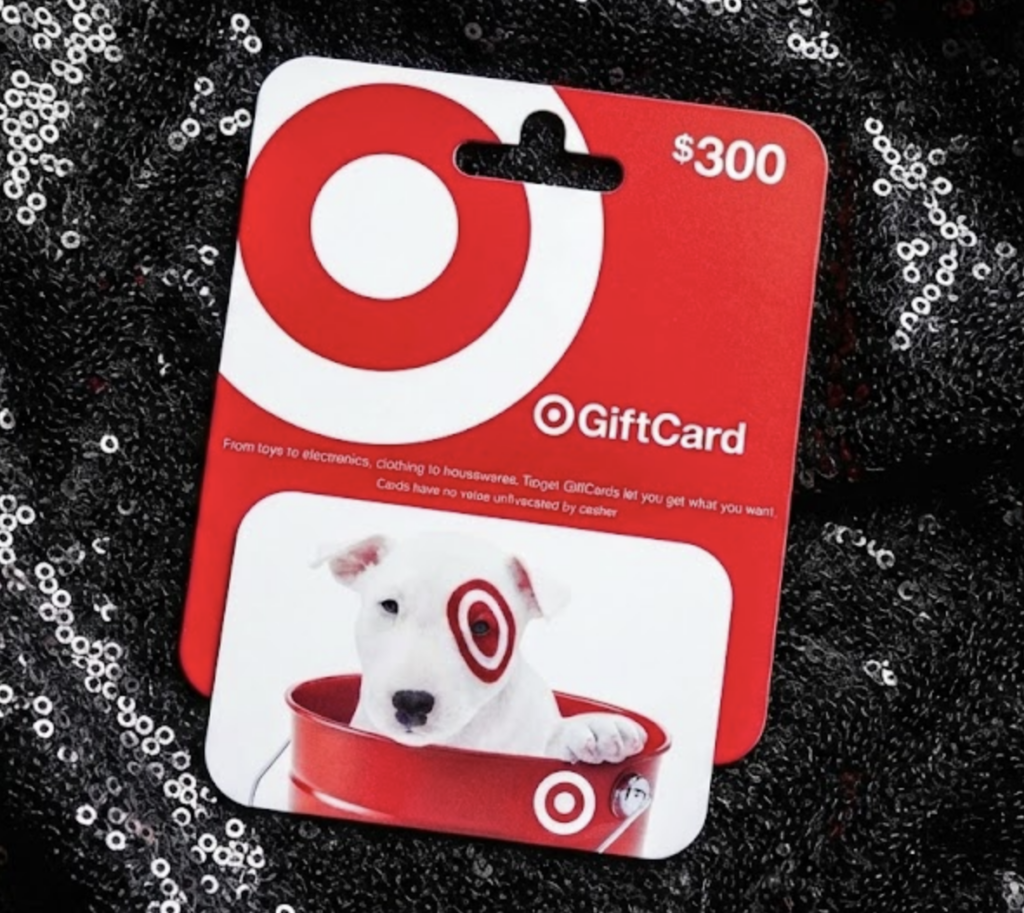
- $300 Target Gift Card, 4 Crate & Barrel Football Tumblers, Themed Chip & Dip Bowls, Plenty of The Good Crisp Company Chips & Crisps (various flavors)
- Number of Winners:
- One (1) winner
📅 Important Dates
- Entry Deadline:
- January 25, 2026 at Midnight MST
- Winner Announcement:
- Monday morning, January 26, 2026
- Entry Limit:
- One entry per person
- Winner Notification:
- Via email
✅ Eligibility
- Location:
- Must live in the contiguous United States
- Entry Method:
- Enter email address on giveaway page
- Sponsor:
- The Good Crisp Company