🏈 The Ultimate Guide to Hosting the Perfect Game Day Party
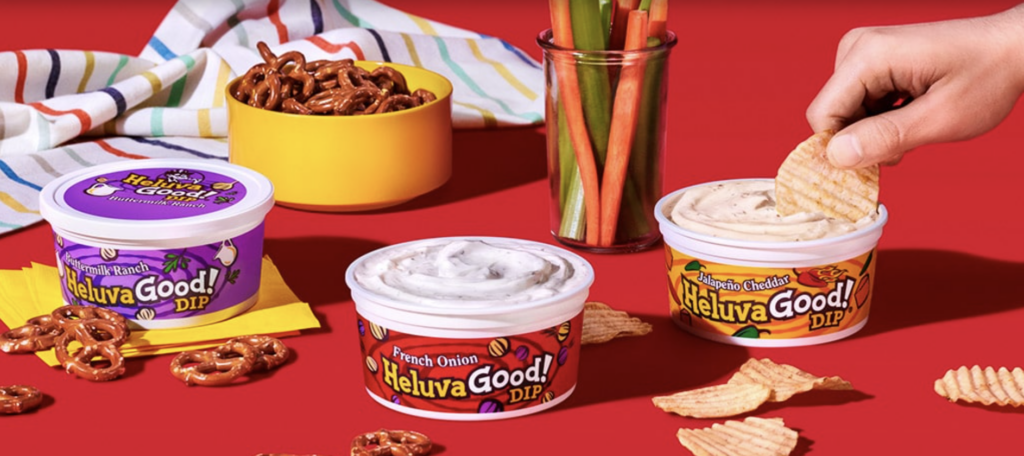
Hosting a game day party is an art form that combines culinary skill, strategic planning, social orchestration, and genuine hospitality. Whether you’re gathering for the Big Game, a playoff showdown, or a regular season rivalry match, creating an unforgettable viewing experience requires attention to detail, thoughtful preparation, and the right combination of food, atmosphere, and entertainment. This comprehensive guide explores every aspect of hosting exceptional game day gatherings, from menu planning and space optimization to managing guest dynamics and creating memorable traditions. Plus, enter the Heluva Good! Host’s Bye Week Sweepstakes for your chance to win a complete party kit delivered to your door!
Strategic Planning: The Foundation of Great Hosting
Successful game day hosting begins weeks before kickoff with strategic planning that addresses logistics, guest management, and contingency preparation. The most memorable parties result not from spontaneous inspiration but from methodical preparation that anticipates needs, solves problems before they arise, and creates systems that allow the host to enjoy the event alongside guests rather than spending the entire game in the kitchen or managing crises.
Begin planning by establishing your guest count and understanding your audience. The dynamics of a party for eight close friends differ dramatically from a gathering of thirty acquaintances. Smaller groups allow for more elaborate food preparation and intimate viewing arrangements, while larger gatherings require buffet-style service, multiple viewing areas, and simplified menu options that can be prepared in advance. Consider your guests’ team allegiances, dietary restrictions, alcohol preferences, and whether children will attend, as these factors fundamentally shape your planning decisions.
Space assessment forms the next critical planning element. Walk through your home with a critical eye, identifying viewing areas, food service locations, beverage stations, seating arrangements, and traffic flow patterns. The ideal setup creates distinct zones: a primary viewing area with optimal screen visibility and comfortable seating, a food and beverage zone easily accessible without blocking screen views, and conversation areas for guests less interested in intense game watching. Consider bathroom access, coat storage, and parking logistics, particularly for larger gatherings where these practical concerns can make or break guest comfort.
Timeline Development and Task Management
Creating a detailed timeline transforms overwhelming preparation into manageable tasks distributed across available time. Experienced hosts work backward from kickoff, identifying tasks that must be completed immediately before the party, those that can be done the day before, and preparations that can happen weeks in advance. This systematic approach prevents last-minute panic and ensures nothing falls through the cracks during the chaotic hours before guests arrive.
Three weeks before the event, finalize your guest list, send invitations, and plan your menu. Two weeks out, shop for non-perishable items, decorations, and serving pieces you might need to purchase. One week before, confirm attendance numbers, finalize your shopping list, and begin preparing any items that freeze well. The day before the party, complete all possible food preparation, set up serving areas, arrange furniture, and create your beverage station. Game day morning should involve only final cooking, last-minute cleaning, and personal preparation, leaving you relaxed and ready when guests arrive.
Mastering the Game Day Menu
Game day food walks a delicate balance between impressive and practical, satisfying and manageable. The best party menus feature dishes that can be prepared largely in advance, require minimal last-minute attention, hold well at room temperature or in warming devices, and can be eaten easily while standing or sitting with a plate balanced on one’s lap. Forget elaborate plated meals or dishes requiring precise timing—game day entertaining demands food that serves itself while you watch the game.
Structure your menu around three categories: substantial offerings that serve as meal replacements, snackable items for continuous grazing, and sweet options for halftime or post-game consumption. The substantial category should include two to three hearty options: perhaps a slow-cooker chili, a tray of loaded nachos, and a substantial sandwich or slider bar. These anchor dishes ensure guests won’t leave hungry and provide enough variety to accommodate different preferences and dietary needs.
Snackable items create the continuous grazing experience that defines great game day parties. This category includes dips with chips and vegetables, wings in multiple flavors, meatballs in savory sauce, stuffed mushrooms, and other finger foods that guests can enjoy throughout the game without committing to a full plate. The key to success in this category lies in variety, strategic placement around your space, and choosing items that maintain quality over several hours rather than requiring immediate consumption.
The Art and Science of Dips
Dips represent the quintessential game day food—endlessly customizable, largely make-ahead, accommodating to various dietary needs, and perfectly suited to the casual, continuous eating pattern of sports viewing. A well-curated dip selection can anchor your entire menu, providing substantial eating options while requiring minimal game-day preparation. The strategic host offers three to five dips spanning different flavor profiles and bases to ensure broad appeal.
Classic options like French onion dip, spinach artichoke dip, and seven-layer dip provide familiar comfort that guests expect and appreciate. These crowd-pleasers should form the foundation of your dip selection, ensuring even conservative eaters find options they enjoy. Build from this base by adding more adventurous options: perhaps a buffalo chicken dip for heat lovers, a white bean and roasted garlic dip for a lighter option, or a warm crab and cream cheese dip for a touch of elegance. This combination of familiar and novel creates interest while maintaining accessibility.
Dip presentation matters as much as flavor. Invest in attractive serving vessels that maintain appropriate temperatures—slow cookers or warming trays for hot dips, chilled serving bowls for cold options. Arrange dips with their accompanying vehicles (chips, vegetables, bread) in strategic locations around your space, creating multiple grazing stations that prevent crowding and encourage circulation. Provide small plates and napkins at each station, and refresh chips and vegetables throughout the event to maintain visual appeal and ensure adequate supply.
Beverage Strategy and Bar Setup
Beverage planning requires as much attention as food preparation, yet hosts often underestimate both the quantities needed and the logistics of efficient service. A well-designed beverage station operates as a self-service area that keeps guests hydrated and happy without requiring constant host intervention. This setup should include multiple beverage categories, adequate ice, appropriate glassware or cups, and intuitive organization that allows guests to serve themselves confidently.
Calculate beverage quantities using the rule of thumb that guests consume approximately two drinks per hour for the first two hours, then one drink per hour thereafter. For a four-hour party with twenty guests, this suggests approximately 120 drinks total. Diversify your selection to accommodate different preferences: beer (including light and craft options), wine (red and white), spirits for mixed drinks, and substantial non-alcoholic options beyond water and soda. Many hosts underestimate non-alcoholic needs—provide interesting options like flavored sparkling water, lemonade, or iced tea to ensure designated drivers and non-drinkers feel included.
Ice Management and Temperature Control
Ice represents one of the most commonly overlooked hosting elements, yet inadequate ice supply can derail an otherwise perfect party. The standard recommendation suggests one pound of ice per guest for a four-hour party, but game day gatherings often require more due to extended duration and the need to keep beverages cold in coolers or tubs. Purchase or make ice several days in advance, storing it in your freezer or a backup cooler, and designate specific ice supplies for drinks versus food cooling to prevent contamination.
Create a beverage cooling system that doesn’t rely solely on refrigerator space. Large coolers, beverage tubs, or even cleaned storage containers filled with ice can hold beer, wine, and soft drinks, freeing refrigerator space for food. Position these cooling stations near your main beverage area for easy access and regular restocking. Consider creating a separate ice bucket specifically for guests to use when making drinks, keeping it filled throughout the event and providing tongs or a scoop for sanitary service.
Creating the Optimal Viewing Environment
The viewing experience forms the centerpiece of game day hosting, yet many hosts focus exclusively on food and beverages while neglecting the actual game-watching setup. Creating an optimal viewing environment requires attention to screen visibility, audio quality, seating arrangements, lighting, and the overall atmosphere that allows guests to immerse themselves in the game while remaining comfortable and engaged with fellow viewers.
Screen positioning and size determine viewing quality for your guests. Ensure your television is large enough for your space and guest count—a 55-inch screen works well for gatherings under ten people, while larger groups benefit from 65 inches or more. Position the screen at appropriate height (center should be at eye level when seated) and angle it to minimize glare from windows or lights. For larger gatherings, consider setting up multiple viewing areas with different screens showing the same game, allowing guests to choose between intense viewing in a prime location or more casual watching in secondary spaces.
Audio quality significantly impacts the viewing experience but often receives inadequate attention. Television speakers rarely provide sufficient volume or clarity for party environments where conversation and ambient noise compete with game audio. Invest in a soundbar or surround sound system that delivers clear commentary and game sounds without requiring volume levels that prevent conversation. Test your audio setup before guests arrive, adjusting levels to find the balance between audibility and overwhelming volume.
Seating Strategy and Space Optimization
Seating arrangements require strategic thinking that balances comfort, visibility, and social dynamics. The most engaged fans should have prime viewing positions—direct screen views from comfortable seating at appropriate distance. Create a tiered arrangement if possible, with some guests seated on sofas or chairs and others on floor cushions or ottomans, ensuring everyone can see without blocking others. Avoid arrangements where guests must turn their heads significantly or crane their necks to watch, as this becomes uncomfortable over a multi-hour game.
Supplement permanent seating with temporary options that can be deployed for parties and stored afterward. Folding chairs, floor cushions, bean bags, and ottomans provide flexible seating that accommodates varying guest counts without cluttering your space year-round. Arrange seating in a slight arc facing the screen rather than straight rows, as this facilitates conversation and creates a more social atmosphere. Leave adequate space between seating areas and food stations to allow traffic flow without disrupting viewing.
Atmosphere and Decoration
Creating appropriate atmosphere transforms a simple gathering into a memorable event that guests look forward to attending year after year. Game day atmosphere combines team spirit, festive energy, and comfortable hospitality in ways that enhance rather than distract from the viewing experience. The goal is creating an environment that signals “this is special” without requiring elaborate decoration or overwhelming your space with themed items.
Team colors provide the easiest and most effective decoration strategy. Incorporate the colors of the competing teams through tablecloths, napkins, plates, cups, and simple decorative elements like balloons or streamers. This approach creates visual interest and game-day atmosphere without requiring significant investment or storage of team-specific items. For neutral hosting (when you don’t have a team preference), use traditional football colors—green, brown, and white—or focus on general sports themes rather than specific team allegiance.
Lighting sets mood and functionality. Bright overhead lighting works against the viewing experience, creating screen glare and an institutional atmosphere. Instead, use ambient lighting from lamps, string lights, or dimmable fixtures that provide enough illumination for safe movement and food service without competing with screen visibility. Consider the time of day—afternoon games may require window treatments to control natural light, while evening games benefit from warm, low-level lighting that creates cozy atmosphere.
Music and Pre-Game Entertainment
The period before kickoff sets the tone for your entire party, yet many hosts neglect this crucial window. Guests typically arrive thirty to sixty minutes before the game starts, creating a pre-game period that requires entertainment and atmosphere beyond simply having the television on. Create a playlist of upbeat, energetic music that plays before kickoff, establishing a festive mood and facilitating conversation before game focus intensifies. Transition from music to game audio as kickoff approaches, signaling the shift from social gathering to viewing event.
Consider incorporating pre-game activities that engage early arrivals and build excitement. Simple options include prediction contests (guests write down score predictions, winner receives a prize), team trivia, or casual games like cornhole or darts set up in areas away from the main viewing space. These activities give guests something to do beyond standing around waiting for kickoff and create opportunities for interaction among guests who may not know each other well.
Managing Guest Dynamics and Social Flow
The social aspect of game day hosting requires as much skill as food preparation or space arrangement. Great hosts orchestrate guest interactions, manage diverse personalities and allegiances, and create an inclusive atmosphere where everyone feels welcome regardless of their football knowledge or team loyalty. This social management happens subtly, through strategic introductions, conversation facilitation, and attention to guest comfort throughout the event.
Introductions matter more than many hosts realize, particularly when your guest list includes people who don’t know each other. As guests arrive, make meaningful introductions that go beyond names—mention shared interests, how you know each person, or conversation starters that help guests connect. “This is Sarah, she’s a huge fantasy football player” or “Meet Tom, he went to the same college as you” provides context that facilitates conversation and helps guests find common ground beyond simply watching the game together.
Navigate team rivalries with diplomacy and humor. When hosting fans of competing teams, establish ground rules for friendly competition: trash talk is welcome, but personal attacks or aggressive behavior crosses the line. Model good sportsmanship yourself, celebrating great plays regardless of which team makes them and keeping perspective when controversial calls occur. Your attitude as host sets the tone—if you remain gracious and fun-loving, guests typically follow your lead.
🏈 You Made It! Enter the Heluva Good! Sweepstakes Below
🎁 Prizes
- Grand Prizes:
- 20 winners – Host’s Bye Week Party Kit ($215 value each)
- Party Kit Includes:
- 4 Heluva Good! Dips, 3 bags Utz chips, football tray, dip holders, coasters, branded socks, cups, napkins, plates, table runner
- First Prizes:
- 100 winners – Free Heluva Good! Dip coupon ($4.99 value)
📅 Important Dates
- Entry Period:
- January 22-29, 2026 (8 days only!)
- Entry Frequency:
- One entry per person/email per day
- Winner Notification:
- Within 3 days after drawing
- Prize Delivery:
- 2-4 weeks after notification
✅ Eligibility
- Age Requirement:
- 18+ years old (19+ in NE or AL)
- Location:
- US residents + DC
- Limit:
- One prize per person/household
- Sponsor:
- HP Hood LLC (Heluva Good!)