🏢 Empire Building: The Ultimate Guide to Investing in Fast Food Franchises
While most people see a fast-food restaurant as a place to grab a quick burger, savvy investors see a cash flow machine. Owning a franchise like Dairy Queen is a cornerstone of the American Dream, offering a blend of brand recognition and entrepreneurial freedom. While you enter the Halftime Feast Sweepstakes to win delicious food, let’s explore the financial mechanics of owning the restaurant that serves it.
The Franchise Disclosure Document (FDD): Your Bible
Before you invest a dime, you must understand the FDD. This federally mandated document reveals everything about the business. It contains 23 “Items” that detail the legal and financial relationship between you (the franchisee) and the corporate office (the franchisor).
Critical FDD Items to Analyze:
- Item 5 & 6 (Fees): This details the initial franchise fee (often $30k-$50k) and ongoing royalties (usually 4-6% of gross sales).
- Item 7 (Initial Investment): The estimated total cost to open the doors, including construction, equipment, and opening inventory.
- Item 19 (Financial Performance): The most controversial section. This is where the franchisor may disclose how much current locations are earning. Not all franchises provide this, but top-tier brands like Dairy Queen usually do.
The Capital Stack: Financing Your Restaurant
Opening a major fast-food franchise requires significant capital, often ranging from $1 million to $2.5 million depending on real estate. Very few investors pay cash; most utilize a “Capital Stack” of different financing methods.
1. SBA 7(a) Loans: The Small Business Administration guarantees portions of loans issued by banks, making it easier for franchisees to get approved. These loans offer long repayment terms (up to 25 years for real estate) and competitive interest rates.
2. ROBS (Rollover for Business Startups): This tax-advantageous structure allows you to use your 401(k) or IRA funds to invest in a business without paying early withdrawal penalties. It is a popular method for corporate refugees transitioning to business ownership.
Real Estate: The Hidden Profit Center
The secret of the fast-food industry is that it is actually a real estate business. Ray Kroc famously told students, “I’m not in the hamburger business; I’m in the real estate business.” Owning the land under your restaurant protects you from rent hikes and builds long-term equity.
When selecting a site, investors look for “The Three A’s”: Access, Visibility, and Activity. Can cars easily turn in? Can they see the sign from the highway? Is there high traffic nearby (malls, schools, offices)? A “Triple-A” site can generate 50% more revenue than a B-site just down the street.
Understanding Margins: Prime Costs
In the restaurant industry, your profit is determined by how well you manage “Prime Costs.” Prime Costs equal Cost of Goods Sold (COGS) + Labor. Ideally, Prime Costs should remain below 60% of gross sales.
If your food cost (COGS) is 30% and your labor is 30%, you have 40% left for rent, utilities, royalties, and profit. Successful franchisees obsess over these numbers daily. Reducing food waste by 1% or optimizing labor scheduling can result in tens of thousands of dollars in extra profit per year.
Multi-Unit Ownership: The Path to Wealth
While owning one store creates a job, owning five stores creates wealth. “Multi-Unit” owners benefit from economies of scale. They can share managers across locations, buy supplies in bulk, and dominate a local marketing territory.
Once a franchisee establishes a successful prototype, banks are eager to lend money for the second, third, and fourth locations. This compounding growth is how many franchise owners eventually sell their portfolios to private equity firms for massive multiples of their earnings.
Risk Management and Insurance
Running a public-facing business involving hot oil, slippery floors, and hundreds of customers a day requires robust insurance. A comprehensive Business Owner’s Policy (BOP) bundles General Liability (slip and fall), Property Insurance (fire/theft), and Business Interruption Insurance.
Business Interruption Insurance is particularly vital. If a storm damages your roof and forces you to close for three weeks, this insurance covers your lost revenue and pays your key staff, ensuring you don’t lose your team while repairs are made.
Staffing: The Human Capital Crisis
The number one challenge facing modern franchisees is staffing. High turnover rates can cripple a business. Smart owners invest in training programs, offer competitive benefits (like tuition assistance), and create a positive culture.
Investing in automated technology, such as self-ordering kiosks or automated fryers, is another way to mitigate labor shortages. While the upfront cost is high, the long-term savings on labor and increased efficiency can drastically improve your bottom line.
Conclusion: From Customer to Capitalist
The next time you walk into a Dairy Queen, look beyond the Blizzard. Look at the efficiency of the kitchen, the flow of the drive-thru, and the location of the real estate. You are looking at a sophisticated financial machine. Whether you are entering the sweepstakes for a free meal or planning your first business acquisition, understanding the mechanics of the industry is the first step toward success.
🏆 Enter The Sweepstakes Here
(Clicking opens your email client. Be sure to fill in your Name, Zip, and Phone.)
🏆 Prize Details
- Grand Prizes:
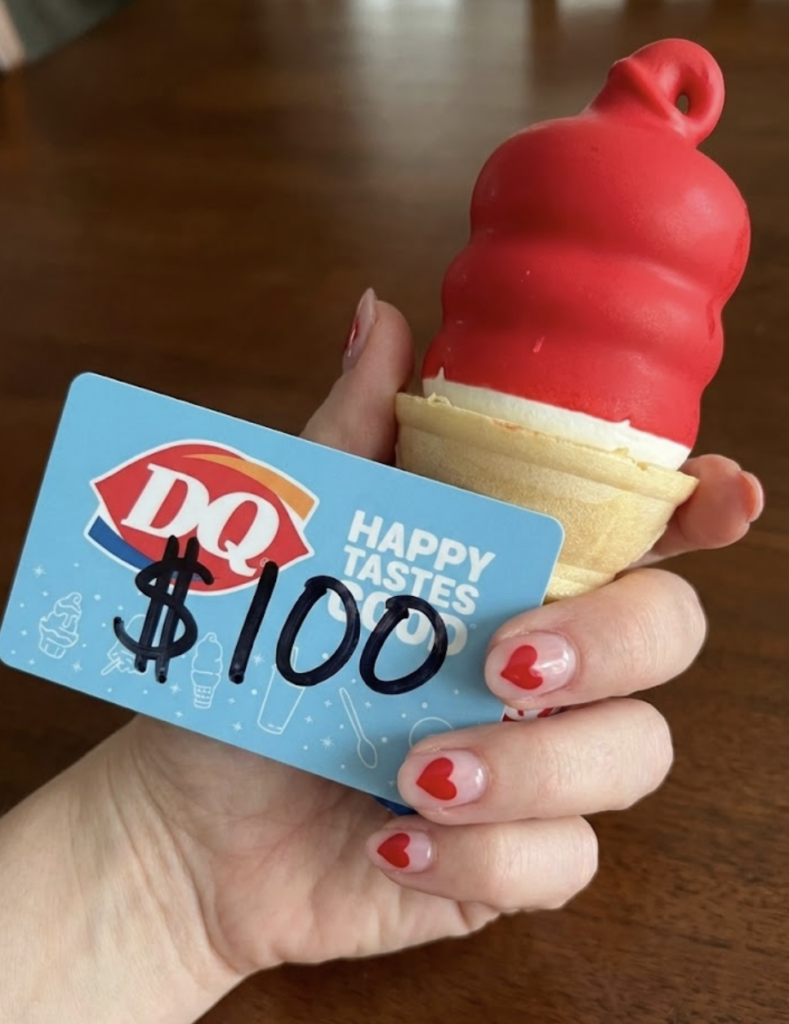
- 60 Winners x $100 DQ Gift Cards
- Total Value:
- $6,000 in Prizes
- Sponsor:
- American Dairy Queen Corp.
📅 Critical Dates
- Start Date:
- February 2, 2026
- End Date:
- February 9, 2026 (11:59 PM ET)
- Drawing:
- February 11, 2026
📋 Eligibility
- Age:
- 18+ (19+ AL/NE, 21+ MS)
- Location:
- US Residents (Void in TX)
- Limit:
- 1 Entry Per Person/Day