💰 The Ultimate Guide to Lowering Your Bills and Managing Household Expenses
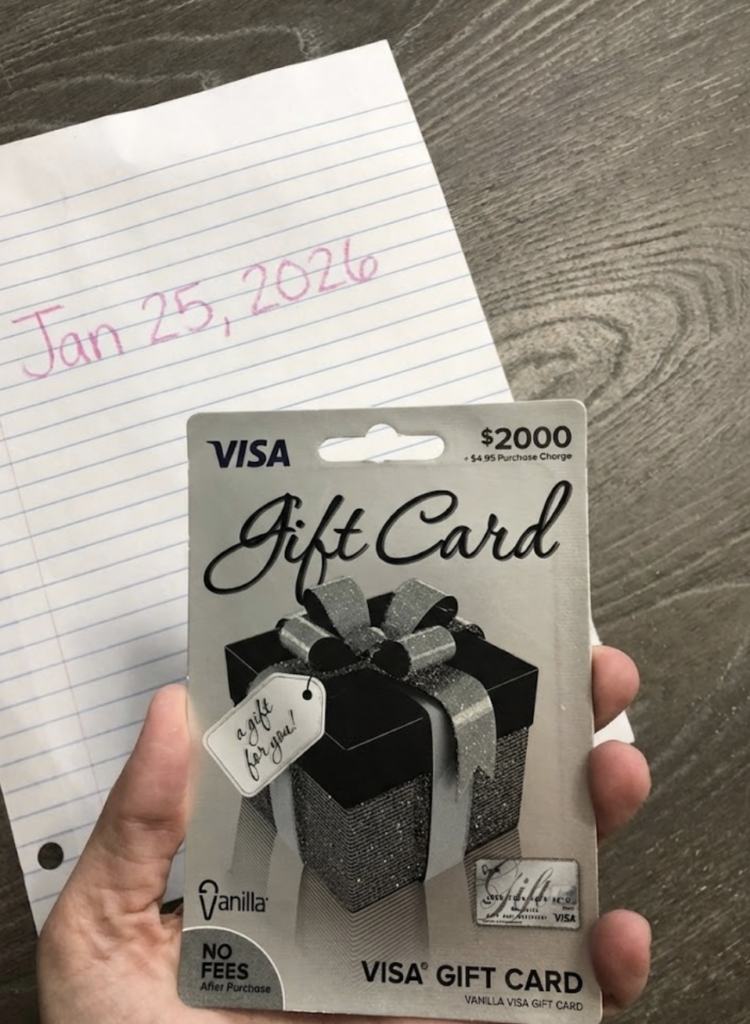
Rising household expenses challenge families across income levels, as utility costs, subscription services, insurance premiums, and everyday necessities consume increasing portions of monthly budgets. Most households spend significantly more than necessary due to inertia, lack of awareness about cost-saving opportunities, and the accumulated weight of small recurring charges that individually seem insignificant but collectively drain thousands of dollars annually. Strategic expense management—systematically reviewing, negotiating, and optimizing recurring costs—enables substantial savings without sacrificing quality of life or essential services. This comprehensive guide explores evidence-based strategies for auditing household expenses, negotiating better rates on essential services, eliminating wasteful spending, maximizing value from necessary purchases, and building sustainable habits that keep costs under control long-term. Plus, enter the Corona Premier and Modelo Oro Lower Your Bills Sweepstakes for your chance to win $2,000 to help reduce your expenses!
Conducting a Comprehensive Household Expense Audit
Effective expense reduction begins with understanding where money actually goes, as most people significantly underestimate spending in various categories and remain unaware of numerous small charges that accumulate into substantial annual costs. A comprehensive expense audit reveals spending patterns, identifies unnecessary costs, and provides baseline data for measuring improvement. Begin by gathering three to six months of bank statements, credit card statements, and payment records to capture typical spending patterns including both regular monthly charges and periodic expenses that occur quarterly or annually.
Categorize all expenses into meaningful groups—housing (mortgage/rent, property taxes, insurance, maintenance), utilities (electricity, gas, water, sewer, trash), telecommunications (internet, phone, streaming services), transportation (car payments, insurance, fuel, maintenance), food (groceries, dining out), insurance (health, life, disability), debt payments, subscriptions and memberships, personal care, entertainment, and miscellaneous. This categorization reveals which areas consume the largest portions of your budget and where reduction opportunities might exist. Many people discover they spend far more than expected on categories like dining out, subscriptions, or convenience purchases.
Calculate the annual cost of every recurring expense, as this perspective often reveals surprising totals. A seemingly modest ten-dollar monthly subscription costs one hundred twenty dollars annually—money that could serve other purposes if the service provides minimal value. Multiply monthly costs by twelve and quarterly costs by four to see true annual impact. This calculation often motivates action on expenses that seem too small to matter when viewed monthly but represent meaningful amounts annually. Prioritize reviewing the largest expense categories first, as even small percentage reductions in major categories like housing or transportation yield more savings than eliminating minor expenses.
Identifying and Eliminating Wasteful Spending
Expense audits typically reveal numerous charges for services no longer used, forgotten subscriptions, duplicate coverage, and purchases that provide minimal value relative to their cost. Common culprits include streaming services rarely watched, gym memberships unused for months, premium cable packages when only a few channels are viewed, insurance policies with overlapping coverage, and automatic renewals for services that served temporary needs. Systematically reviewing every recurring charge and honestly assessing actual usage versus cost identifies immediate reduction opportunities requiring no sacrifice beyond canceling unnecessary services.
Subscription services deserve particular scrutiny, as the subscription economy has proliferated to include entertainment, software, meal kits, beauty products, clothing, and countless other categories. Many households maintain five to fifteen active subscriptions, often forgetting about services charged to credit cards and rarely used. Review bank and credit card statements for recurring charges, then evaluate each subscription’s value. Services used weekly or providing substantial value justify their cost, while rarely-used subscriptions represent pure waste. Consider rotating subscriptions—subscribing to streaming services for a month or two to watch specific content, then canceling until new content of interest appears.
Negotiating Better Rates on Essential Services
Many essential services—insurance, internet, phone, utilities in deregulated markets—operate in competitive markets where providers regularly offer better rates to new customers while existing customers pay inflated prices. Proactive negotiation or switching providers can reduce these costs substantially without changing service quality. Insurance represents one of the highest-potential areas for savings, as rates vary dramatically between providers for identical coverage. Shopping for new quotes on auto, home, and life insurance annually often reveals savings of hundreds to thousands of dollars. Bundling multiple policies with one insurer typically provides additional discounts.
Internet and phone service providers frequently offer promotional rates to new customers while quietly increasing prices for existing customers over time. Calling to cancel service often triggers retention offers matching or beating new customer promotions. If your current provider won’t negotiate, actually switching to a competitor usually proves straightforward and may provide superior service at lower cost. Document current service specifications before negotiating to ensure any new plan provides equivalent or better service. Many people pay for internet speeds far exceeding their actual needs—households that primarily stream video and browse the web rarely need the highest-tier plans marketed for gaming and large file transfers.
Utility costs in deregulated markets benefit from periodic provider comparison and switching. States with deregulated electricity or natural gas markets allow choosing among competing suppliers, with rates varying significantly. Comparison websites show available rates and terms, making switching straightforward. Even in regulated markets, utilities often offer programs for budget billing, time-of-use rates, or energy efficiency incentives that reduce costs. Contacting your utility to discuss available programs may reveal savings opportunities. Many utilities provide free or subsidized energy audits identifying efficiency improvements that lower bills long-term.
Refinancing Debt and Optimizing Credit Costs
High-interest debt—credit cards, personal loans, auto loans—drains substantial money toward interest rather than principal reduction. Refinancing high-interest debt to lower rates accelerates payoff and reduces total interest paid. Credit card balance transfers to cards offering zero-percent introductory rates provide interest-free periods for aggressive paydown, though balance transfer fees and the need for disciplined repayment require careful evaluation. Personal loans from banks or credit unions often carry significantly lower rates than credit cards, making them effective tools for consolidating and paying down credit card debt.
Mortgage refinancing deserves consideration when interest rates drop substantially below your current rate or when your credit score has improved significantly since origination. Even a one-percent rate reduction on a large mortgage saves thousands annually and tens of thousands over the loan term. However, refinancing involves closing costs that must be recouped through interest savings, typically requiring several years in the home to break even. Calculate the break-even point by dividing closing costs by monthly savings to determine whether refinancing makes financial sense for your situation.
Reducing Energy Costs Through Efficiency Improvements
Energy costs represent substantial ongoing expenses that respond well to efficiency improvements providing permanent savings. Simple behavioral changes—adjusting thermostats, turning off lights and electronics, using cold water for laundry—reduce consumption without investment. More significant improvements like upgrading insulation, sealing air leaks, installing programmable thermostats, and replacing old appliances with energy-efficient models require upfront investment but generate ongoing savings that eventually exceed their cost while improving comfort.
Heating and cooling typically consume the largest portion of home energy use, making HVAC efficiency particularly impactful. Programmable or smart thermostats automatically adjust temperatures based on occupancy and time of day, reducing heating and cooling when homes are empty or occupants are sleeping. Setting thermostats a few degrees cooler in winter and warmer in summer saves substantially—each degree of adjustment typically reduces heating and cooling costs by three to five percent. Ensuring proper insulation in attics, walls, and basements prevents heat loss in winter and heat gain in summer, reducing HVAC workload and costs.
Appliance and lighting upgrades provide measurable savings. LED bulbs use seventy-five percent less energy than incandescent bulbs and last twenty-five times longer, making replacement economically attractive even before old bulbs burn out. Energy Star certified appliances—refrigerators, washers, dryers, dishwashers—use significantly less energy than standard models. When replacing failed appliances, choosing efficient models costs little or no premium while providing ongoing savings. Water heaters represent another major energy consumer, with tank insulation, temperature reduction to one hundred twenty degrees, and eventual replacement with efficient models or tankless systems reducing costs.
Water Conservation and Utility Reduction
Water and sewer costs have risen substantially in many areas, making conservation both environmentally responsible and economically beneficial. Simple changes like fixing leaks, installing low-flow showerheads and faucet aerators, and running dishwashers and washing machines only with full loads reduce consumption without lifestyle sacrifice. A dripping faucet wastes thousands of gallons annually, while a running toilet can waste hundreds of gallons daily—repairs that cost little but save substantially.
Outdoor water use, particularly lawn irrigation, often exceeds indoor use during growing seasons. Adjusting irrigation systems to water only as needed, installing rain sensors that prevent watering during rainfall, and choosing drought-tolerant landscaping reduces consumption dramatically. Many water utilities offer rebates for efficient fixtures, rain barrels, and irrigation system upgrades, subsidizing improvements that lower bills. Checking with your utility about available programs may reveal cost-sharing opportunities for efficiency investments.
Optimizing Food Costs Without Sacrificing Quality
Food represents a major household expense category with substantial variation in cost-effectiveness. Strategic shopping, meal planning, and cooking at home rather than dining out or ordering delivery provides equivalent or better nutrition and enjoyment at a fraction of the cost. The average American household spends thousands of dollars annually on dining out and food delivery—money that could purchase far more and better food through home cooking. Even households that enjoy restaurant dining can reduce frequency and cost through strategic choices.
Meal planning prevents impulse purchases, reduces food waste, and enables bulk buying of frequently used items. Planning a week’s meals, creating shopping lists based on planned meals, and shopping with lists rather than browsing reduces spending while ensuring needed ingredients are available. Buying in bulk for non-perishable items and frequently used ingredients provides per-unit savings, though only when items will actually be used before expiration. Warehouse clubs offer substantial savings on many items, though membership costs require sufficient purchasing volume to justify.
Generic and store-brand products typically provide quality equivalent to name brands at significantly lower prices. Blind taste tests frequently show consumers cannot distinguish between name brands and generics, yet name brands command substantial price premiums for marketing and brand recognition. Systematically trying generic versions of regularly purchased items identifies opportunities for savings without quality sacrifice. Some categories—basic staples like flour, sugar, rice, canned goods—show virtually no quality difference between brands, making generic choices obvious. Other categories may show preferences, but trying generics costs little and often reveals acceptable or superior alternatives.
Strategic Shopping and Purchase Timing
Timing major purchases around sales cycles and using price comparison tools ensures paying the lowest available prices. Retailers follow predictable sales patterns—appliances during holiday weekends, clothing at season-end clearances, electronics during Black Friday and back-to-school periods. Planning major purchases around these cycles saves substantially compared to buying at full retail prices. Price tracking tools and browser extensions monitor prices and alert when items reach target prices or historical lows, removing the need to constantly check prices manually.
Cashback and rewards programs provide additional savings on necessary purchases. Credit cards offering cashback or points on purchases effectively discount all spending by one to five percent when cards are paid in full monthly to avoid interest charges. Retailer loyalty programs, coupon apps, and cashback websites stack additional savings. Using these tools strategically on planned purchases provides meaningful annual savings, though they should never encourage unnecessary spending—the goal is maximizing value on purchases you would make regardless, not spending more to earn rewards.
Transportation Cost Optimization
Transportation represents one of the largest household expense categories, with vehicle ownership, fuel, insurance, and maintenance consuming substantial portions of budgets. Strategic decisions about vehicle selection, maintenance, and usage patterns significantly affect costs. Buying reliable used vehicles rather than new ones avoids the steepest depreciation while providing years of service at a fraction of new vehicle costs. Vehicles depreciate most rapidly in their first few years, making three-to-five-year-old vehicles optimal for value—old enough to avoid steep depreciation, new enough to provide reliability and modern features.
Fuel costs respond to driving habits and vehicle maintenance. Aggressive acceleration and braking, excessive idling, and high speeds reduce fuel efficiency substantially compared to smooth, moderate driving. Proper tire inflation, regular oil changes, and air filter replacement maintain efficiency. Combining errands into single trips rather than multiple separate trips reduces total mileage and fuel consumption. For households with multiple vehicles, using the most fuel-efficient vehicle for longer trips and daily commuting while reserving less efficient vehicles for specific needs optimizes overall fuel costs.
Insurance costs vary dramatically between providers and respond to shopping and optimization. Increasing deductibles from common low levels to higher amounts reduces premiums substantially while maintaining protection against major losses. Dropping collision and comprehensive coverage on older vehicles worth less than several thousand dollars eliminates premiums that may exceed the vehicle’s value. Bundling auto insurance with home or renters insurance typically provides multi-policy discounts. Many insurers offer additional discounts for good driving records, low annual mileage, safety features, and completing defensive driving courses.
💰 You Made It! Enter Giveaway Below
🏆 Prize
- Number of Winners:
- 1 Grand Prize Winner
- Prize:
- $2,000 Sponsor-specified Gift Card
- Total Value:
- $2,000
- Prize Details:
- Terms and conditions on gift card apply
- Use:
- Perfect for lowering bills and household expenses!
📅 Important Dates
- Start Date:
- January 1, 2026 at 12:00 AM ET
- End Date:
- February 28, 2026 at 11:59 PM ET
- Drawing Date:
- On or around March 2, 2026
- Winner Notification:
- First business day after drawing by mail, email, or phone
✅ How to Enter
- Method 1:
- Visit CBISWEEPS.COM/LOWERYOURBILLS and follow instructions
- Method 2:
- Scan QR code on Corona/Modelo advertising materials
- Entry Frequency:
- ONE (1) entry per person per calendar day
- Calendar Day:
- 12:00 AM ET to 11:59 PM ET
- Limit:
- One prize per person/household
🎯 Eligibility
- Age Requirement:
- 21+ years old (alcoholic beverage promotion)
- Eligible States (13 total):
- Alaska, Arizona, California, Colorado, Idaho, Montana, Nevada, New Mexico, Oregon, Texas, Utah, Washington, Wyoming
- Geographic Restriction:
- VOID outside these 13 Western US states
- Sponsors:
- Corona Premier & Modelo Oro (Crown Imports LLC)