The Ultimate Guide to Luxury Shopping: Strategies, Destinations, and Insider Tips
Luxury shopping represents more than simply purchasing expensive items—it’s an experience that combines quality craftsmanship, personalized service, and the satisfaction of owning something truly special. Whether you’re a seasoned luxury shopper or aspiring to elevate your shopping experiences, understanding the nuances of high-end retail helps you make informed decisions and get the most value from your investments. This comprehensive guide explores luxury shopping destinations, strategies for maximizing value, building relationships with personal shoppers, navigating sales and promotions, and creating a curated luxury wardrobe that stands the test of time. Plus, discover how you could win an incredible luxury shopping getaway to Atlanta worth nearly $11,000!
Understanding the Luxury Shopping Landscape
The luxury retail market has evolved significantly over recent decades, expanding beyond traditional department stores and boutiques to encompass a diverse ecosystem of shopping experiences. Premium outlet centers offer authentic luxury goods at reduced prices, typically from previous seasons or with minor imperfections. Traditional luxury boutiques provide the full brand experience with current collections, personalized service, and exclusive items. Department stores like Neiman Marcus and Saks Fifth Avenue curate selections from multiple luxury brands under one roof, offering convenience and variety. Shopping malls, particularly those operated by Simon Property Group, increasingly feature luxury wings with flagship stores from prestigious brands, combining upscale shopping with dining and entertainment options.
Understanding the distinction between different luxury retail channels helps you shop strategically. Boutiques offer the most comprehensive selection and latest arrivals but command full retail prices. Department stores provide good selection with occasional promotional events and loyalty programs that offer value. Outlet centers deliver significant savings on authentic luxury goods, though selection can be unpredictable and focused on past-season items. Online luxury retailers like Net-a-Porter and Farfetch offer convenience and global selection but lack the tactile experience of in-person shopping. The savvy luxury shopper utilizes all these channels strategically, building relationships with sales associates across different venues and timing purchases to maximize value while maintaining access to desired items.
The Rise of Experiential Luxury Retail
Modern luxury shopping increasingly emphasizes experience over mere transaction. High-end retailers recognize that affluent consumers seek memorable experiences alongside quality products. This shift manifests in beautifully designed stores that feel more like galleries than shops, in-store cafes and lounges where customers can relax, personal shopping services that provide curated selections, exclusive events and trunk shows, and integration of technology that enhances rather than replaces human interaction. Destinations like Atlanta’s luxury shopping districts exemplify this trend, combining world-class retail with fine dining, luxury hotels, and cultural attractions to create comprehensive lifestyle experiences that extend far beyond simply making purchases.
Building Relationships with Personal Shoppers
Establishing relationships with personal shoppers and sales associates represents one of the most valuable strategies in luxury shopping. These professionals provide services that extend far beyond basic customer assistance. A good personal shopper learns your style preferences, size specifications, and lifestyle needs, curating selections that match your taste and save you time. They notify you of new arrivals that suit your preferences before items hit the sales floor, provide access to private sales and exclusive events, hold items for your consideration, and offer honest feedback about fit and styling. Building these relationships requires reciprocity—when someone provides excellent service and helps you find pieces you love, reward that effort with your business and loyalty.
Approaching personal shopping relationships professionally maximizes their value. Be clear about your budget, preferences, and shopping goals from the outset. Respect their time by keeping appointments and responding promptly to communications. Provide feedback about items they select, helping them refine their understanding of your taste. When they source something perfect for you, make the purchase rather than using their expertise to inform purchases elsewhere. These relationships become increasingly valuable over time as personal shoppers develop deep understanding of your style and can efficiently identify pieces that work for you. Many luxury shoppers maintain relationships with personal shoppers at multiple stores and brands, creating a network of professionals who help them navigate the luxury market effectively.
Maximizing Personal Shopping Services
Most luxury retailers offer complimentary personal shopping services, yet many customers never take advantage of this valuable resource. Utilizing these services effectively requires some preparation and communication. Schedule appointments in advance rather than dropping in, allowing your personal shopper time to prepare selections. Communicate your needs clearly—are you building a work wardrobe, seeking a special occasion outfit, or updating your casual wear? Provide information about your lifestyle, existing wardrobe, and style inspirations. Be open to trying items outside your usual choices, as personal shoppers often introduce customers to pieces they wouldn’t have selected independently but end up loving. The goal is creating a collaborative relationship where the personal shopper’s expertise complements your own taste and needs.
Strategic Timing for Luxury Purchases
Timing significantly impacts the value you receive when shopping luxury goods. Understanding retail cycles helps you purchase strategically without sacrificing quality or selection. Pre-season shopping, typically two to three months before a season begins, offers the fullest selection of new arrivals at full price. Mid-season provides good selection with occasional promotions beginning to appear. End-of-season sales, usually occurring in January for fall/winter and July for spring/summer, offer the deepest discounts on remaining inventory. Private sales for loyalty program members often occur before public sales, providing first access to marked-down merchandise. Holiday promotional periods, particularly around Black Friday and after Christmas, feature special pricing and gift-with-purchase offers.
Balancing timing with need requires thoughtful planning. If you need a specific item for an upcoming event, waiting for sales risks the item selling out in your size. However, for wardrobe staples and pieces you can wait for, strategic timing delivers substantial savings. Many experienced luxury shoppers maintain wish lists throughout the season, then purchase strategically when items go on sale. Loyalty programs at department stores and shopping centers like Simon+ Rewards provide additional benefits including early sale access, exclusive promotions, and points that translate to future savings. Combining strategic timing with loyalty benefits maximizes the value of luxury purchases without compromising on quality or selection.
Curating a Luxury Wardrobe That Lasts
Luxury shopping should focus on building a curated wardrobe of pieces that provide lasting value rather than chasing trends or accumulating items impulsively. This approach requires discipline and vision but results in a wardrobe that serves you well for years. Start with investment pieces—classic items in excellent quality that form your wardrobe’s foundation. A perfectly tailored blazer, quality leather handbag, well-made coat, classic pumps or loafers, and timeless watch represent the types of pieces worth significant investment. These items should be in neutral colors and classic styles that transcend seasonal trends, providing versatility and longevity.
Once your foundation is established, add pieces that express your personal style while maintaining quality standards. This might include statement jewelry, designer denim, luxury knitwear, or distinctive accessories that reflect your aesthetic. The key is ensuring each addition works with your existing wardrobe, creating multiple outfit combinations rather than sitting unworn because nothing pairs with it. Before making any luxury purchase, consider cost per wear—an expensive item you’ll wear frequently for years offers better value than a cheaper piece that sits unused. This mindset shift from price to value transforms how you approach luxury shopping, leading to more satisfying purchases and a wardrobe you genuinely love and use.
The Art of Mixing High and Low
Sophisticated style doesn’t require wearing head-to-toe luxury brands. In fact, mixing luxury investment pieces with more accessible items often creates more interesting and personal looks than wearing obviously expensive outfits. A designer handbag elevates simple jeans and a tee. Luxury shoes transform an affordable dress. A statement watch adds polish to casual outfits. This approach allows you to enjoy luxury goods while maintaining a realistic budget and avoiding the overly branded look that can appear try-hard rather than genuinely stylish. The goal is looking polished and put-together rather than displaying wealth, and strategic mixing achieves this more effectively than obvious luxury branding.
Luxury Shopping Destinations Worth Traveling For
Certain cities and shopping districts offer luxury experiences that justify dedicated shopping trips. Atlanta has emerged as a premier luxury shopping destination, combining world-class retail with Southern hospitality, excellent dining, and cultural attractions. Phipps Plaza and Lenox Square in Buckhead feature flagship stores from prestigious brands in an upscale environment. The city’s luxury hotel scene, including properties like Nobu Hotel Atlanta, provides sophisticated accommodations that complement the shopping experience. New York’s Fifth Avenue and Madison Avenue remain iconic luxury shopping destinations with flagship stores and exclusive boutiques. Los Angeles’s Rodeo Drive offers California luxury with beautiful weather and celebrity spotting opportunities.
International destinations provide unique luxury shopping experiences with potential tax advantages for tourists. Paris’s Avenue Montaigne and Rue Saint-Honoré offer the ultimate European luxury experience. London’s Bond Street and Harrods combine British heritage with international luxury. Milan’s fashion district provides access to Italian luxury at its source. Dubai’s luxury malls offer tax-free shopping in spectacular settings. When planning luxury shopping trips, consider combining retail with cultural experiences, fine dining, and spa services to create comprehensive luxury getaways. Many luxury hotels offer shopping packages that include personal shoppers, transportation to retail districts, and exclusive access to private sales.
Navigating Luxury Sales and Promotions
Luxury sales require different strategies than regular retail sales. High-end merchandise moves quickly during promotional periods, with the best pieces in popular sizes selling out within hours of markdowns. Success requires preparation and decisiveness. Before sales begin, visit stores to identify pieces you’re interested in, noting sizes and prices. When sales start, arrive early or shop online immediately when markdowns go live. Have a clear list of priorities rather than browsing aimlessly. Be prepared to make quick decisions, as hesitation often means missing out. Understand return policies, as some luxury retailers restrict returns on sale merchandise.
Private sales for loyalty program members offer significant advantages over public sales. These exclusive events typically occur before public markdowns, providing first access to sale merchandise when selection is fullest. Many luxury retailers invite their best customers to private shopping events with additional discounts, complimentary services, and exclusive access. Building relationships with sales associates increases your chances of receiving these invitations. Some department stores offer additional percentage-off coupons during sales that stack with existing markdowns, creating exceptional value. Staying informed about upcoming sales through sales associate relationships, loyalty program communications, and strategic timing helps you maximize opportunities.
Authentication and Avoiding Counterfeits
As luxury goods become more accessible through various retail channels, ensuring authenticity is crucial. Purchasing from authorized retailers—brand boutiques, authorized department stores, and reputable online luxury retailers—provides authenticity guarantees. Be cautious of deals that seem too good to be true, as they often are. Familiarize yourself with authentication markers for brands you frequently purchase, including hardware quality, stitching precision, material quality, and proper branding placement. When purchasing pre-owned luxury goods, use authentication services or purchase from platforms that guarantee authenticity. The resale market offers opportunities to acquire luxury pieces at reduced prices, but authentication is essential to ensure you’re getting genuine articles.
The Psychology of Luxury Shopping
Understanding the psychological aspects of luxury shopping helps you make more intentional decisions and derive greater satisfaction from purchases. Luxury goods provide both functional and emotional value. The functional value comes from superior quality, craftsmanship, and longevity. The emotional value stems from the pleasure of ownership, the confidence that comes from looking your best, and the satisfaction of treating yourself to something special. Recognizing both aspects helps you evaluate whether a purchase truly serves your needs or represents impulse buying driven by marketing or social pressure.
Luxury shopping can become problematic when it serves as emotional compensation or status seeking rather than genuine appreciation for quality and craftsmanship. Mindful luxury shopping involves asking yourself several questions before making purchases: Do I genuinely love this item or am I attracted to the brand name? Will this piece integrate into my existing wardrobe and get regular use? Am I purchasing this for myself or to impress others? Can I afford this without financial stress? Does this purchase align with my values and priorities? Honest answers to these questions help ensure your luxury purchases bring lasting satisfaction rather than buyer’s remorse or financial strain.
Caring for Luxury Investments
Proper care extends the life of luxury goods and preserves their value. Leather goods require regular conditioning to prevent drying and cracking. Store handbags stuffed with tissue paper to maintain shape, in dust bags to protect from dust and light. Rotate handbag use to prevent excessive wear on any single piece. Shoes benefit from cedar shoe trees that absorb moisture and maintain shape. Have quality shoes resoled and refinished as needed rather than replacing them. Clothing should be cleaned according to care labels, with many luxury pieces requiring professional dry cleaning. Store clothing properly using quality hangers for structured pieces and folding for knits to prevent stretching.
Jewelry requires specific care based on materials. Gold and platinum can be cleaned with mild soap and water, while pearls and opals require gentler care. Store jewelry pieces separately to prevent scratching. Have valuable pieces professionally cleaned and inspected annually. Watches need regular servicing according to manufacturer recommendations, typically every three to five years. Proper care not only extends the life of luxury goods but maintains their resale value if you eventually decide to sell or consign pieces. The secondary luxury market has grown significantly, with well-maintained pieces commanding strong prices on resale platforms.
Sustainable Luxury Shopping
The luxury market is increasingly embracing sustainability as consumers demand more responsible practices. Many luxury brands now prioritize sustainable materials, ethical manufacturing, and transparent supply chains. As a luxury consumer, you can support these efforts by researching brands’ sustainability commitments, choosing pieces made from sustainable materials when possible, and prioritizing quality and longevity over trend-driven purchases. The most sustainable luxury purchase is one that lasts for years or decades, reducing the need for replacement and minimizing environmental impact.
The pre-owned luxury market represents another sustainable shopping avenue. Purchasing authenticated pre-owned luxury goods extends the life of existing pieces, reduces demand for new production, and often provides access to vintage pieces no longer in production. Platforms like The RealReal, Vestiaire Collective, and Rebag specialize in authenticated luxury resale. When you’re ready to part with luxury pieces, consigning them through these platforms allows others to enjoy them while recouping some of your investment. This circular approach to luxury consumption aligns with growing environmental consciousness while maintaining access to quality goods.
Making the Most of Loyalty Programs
Loyalty programs at luxury retailers and shopping centers provide significant value for regular customers. Programs like Simon+ Rewards offer points on purchases that translate to future savings, exclusive access to sales and events, birthday rewards, and special promotions. Maximizing these programs requires strategic enrollment and engagement. Sign up for programs at retailers and shopping centers you frequent. Provide accurate contact information to receive communications about sales and events. Consolidate purchases when possible to maximize points earning. Take advantage of bonus point promotions and special offers. Use accumulated points strategically for maximum value.
Many luxury department stores offer tiered loyalty programs where benefits increase with annual spending. Higher tiers provide enhanced benefits like additional sale discounts, complimentary alterations, exclusive shopping events, and personal shopping services. If you regularly shop at a particular retailer, understanding the tiers and benefits helps you maximize value. Some programs offer credit cards with additional benefits, though these should only be considered if you pay balances in full to avoid interest charges that negate any rewards. The key is viewing loyalty programs as tools that enhance value rather than incentives to overspend.
You Made It! Enter the Giveaway Below
Prize Package Details
- Total Value:
- $10,900
- Trip Includes:
- • First class airfare for 2 to Atlanta
• 2-night stay at Nobu Hotel Atlanta (Zen Suite)
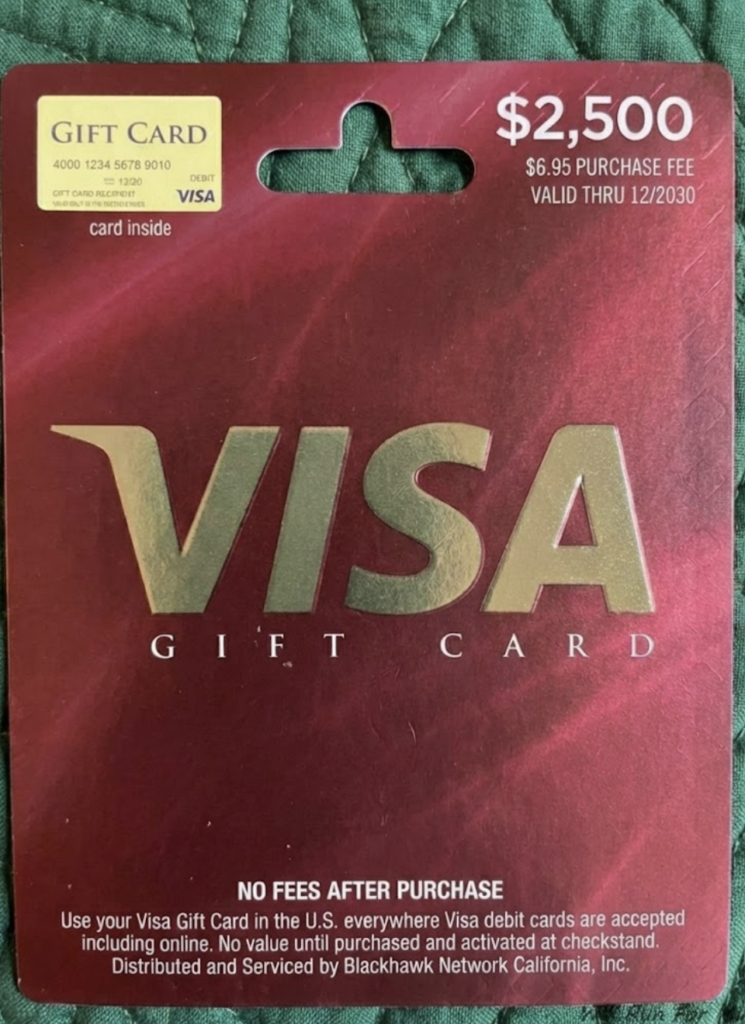
• $1,000 prepaid card for spa/dining
• $2,500 prepaid card for shopping spree - Travel Window:
- Must travel within 6 months of winning
How to Enter
- Eligibility:
- US residents, 18+, must be Simon+ Rewards member
- Entry Method:
- Join Simon+ or enter via invitation email at simon.com/luxeshoppinggetaway
- Entry Period:
- January 15 – February 5, 2026 (5:00 PM ET)
- Entry Limit:
- One entry per person
Winner Selection
- Drawing Date:
- February 12, 2026
- Notification:
- Winner notified via email
- Response Time:
- Must return required documents within 3 days
- Number of Winners:
- 1 Grand Prize winner