📚 The Ultimate Guide to Setting Reading Goals and Discovering Great Books
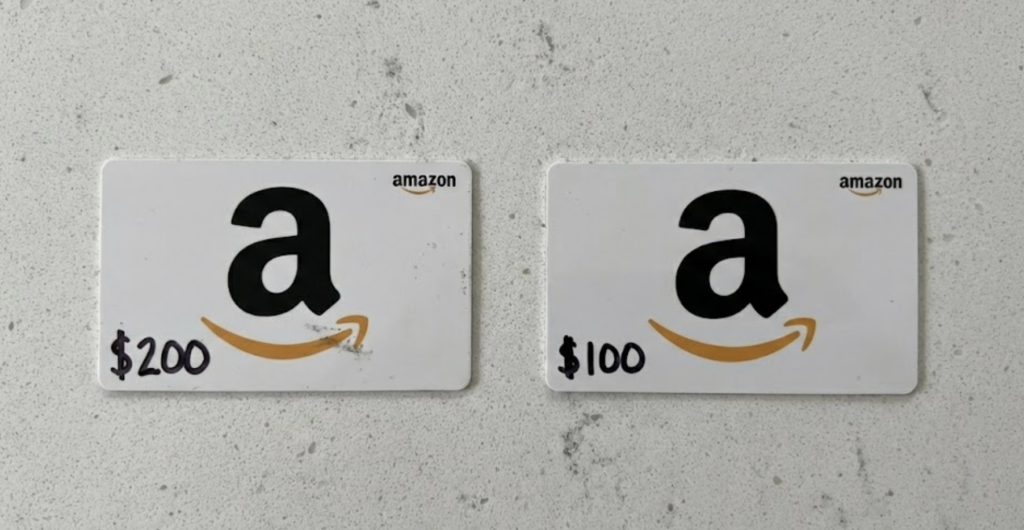
The beginning of a new year offers a perfect opportunity to establish reading goals, discover new authors and genres, and cultivate habits that transform reading from an occasional activity into a consistent source of joy, learning, and personal growth. For many people, reading represents one of the most enriching yet frequently neglected activities in modern life, crowded out by digital distractions, work demands, and the constant pull of easier entertainment options. Yet research consistently demonstrates that regular reading improves vocabulary and communication skills, enhances empathy and emotional intelligence, reduces stress and promotes relaxation, strengthens focus and concentration abilities, and provides knowledge and perspectives that expand understanding of the world and human experience. This comprehensive guide explores evidence-based strategies for setting achievable reading goals, discovering books that genuinely interest you, building sustainable reading habits, navigating the overwhelming abundance of available titles, and creating a reading life that enriches rather than burdens your daily routine. Plus, enter the Happy New Year Giveaway for your chance to win $200 or $100 in Amazon gift cards to start building your dream reading collection!
The Psychology of Reading Goals and Habit Formation
Setting reading goals taps into fundamental principles of human motivation and behavior change. Goals provide direction and purpose, transforming vague intentions like “I should read more” into concrete targets that guide decision-making and resource allocation. However, not all reading goals prove equally effective at actually increasing reading behavior. Research on goal-setting reveals that specific, measurable goals outperform vague aspirations, moderate difficulty creates optimal motivation (too easy feels pointless, too hard feels impossible), and process goals focusing on behaviors you control work better than outcome goals dependent on external factors. Understanding these principles helps explain why “read 52 books this year” might work for some readers while overwhelming others, and why “read for 20 minutes before bed” often proves more sustainable than ambitious numerical targets.
The most successful reading goals align with personal values and intrinsic motivation rather than external pressure or social comparison. Reading because you genuinely enjoy stories, want to learn about specific topics, or value the mental experience differs fundamentally from reading to hit arbitrary numbers, impress others, or fulfill perceived obligations. Intrinsic motivation sustains behavior over time, while extrinsic motivation often fades once external rewards or social pressure diminishes. This distinction matters when setting reading goals—asking yourself why you want to read more and what you hope to gain from reading helps ensure goals serve your actual interests rather than imagined expectations about what “serious readers” should do.
Habit formation science offers valuable insights for building consistent reading practices. Habits form through repetition in consistent contexts, with environmental cues triggering automatic behaviors that require minimal willpower or decision-making. Creating a reading habit means establishing specific triggers—time of day, location, preceding activity—that reliably prompt reading behavior. Reading for 15 minutes with morning coffee, during lunch breaks, or before bed each creates a context-dependent habit that eventually feels automatic rather than requiring constant motivation. Starting small with easily achievable reading sessions builds consistency that can gradually expand, while attempting to immediately read for hours daily often leads to failure and abandonment of reading goals entirely.
Choosing Effective Reading Goals
Numerical goals like “read 52 books” or “read 100 books” dominate reading goal discourse, particularly on social media and reading tracking platforms. These goals offer clear measurement and the satisfaction of tracking progress, but they also create potential problems. Page count and book length vary dramatically—reading 52 short novels differs vastly from reading 52 dense nonfiction works or epic fantasy series. Numerical goals can incentivize choosing shorter, easier books over challenging works that might offer more value. They can transform reading from pleasure into obligation, creating stress around “falling behind” on arbitrary targets. For some readers, numerical goals work wonderfully, providing structure and motivation. For others, they drain joy from reading and create counterproductive pressure.
Time-based goals—”read 30 minutes daily” or “read 10 hours weekly”—focus on the process of reading rather than outcomes. These goals accommodate books of any length and difficulty, reward consistent engagement regardless of how quickly you finish books, and integrate more naturally into daily routines than trying to finish specific numbers of books by certain dates. Time-based goals also better reflect what you actually control—you can always choose to read for 20 minutes, but you can’t always control how quickly you finish a book. The main challenge with time-based goals involves tracking, as they require actively measuring reading time rather than simply counting finished books.
Qualitative goals focusing on reading experiences rather than quantities offer another approach. Goals like “read books from five new-to-me authors,” “read at least one book from each continent,” “read books spanning different time periods,” or “read both fiction and nonfiction” emphasize breadth, discovery, and varied experiences over raw numbers. These goals encourage exploration outside familiar genres and authors while remaining flexible about pace and quantity. They work particularly well for readers who want to expand their reading horizons but feel stressed by numerical targets or time commitments.
Discovering Books That Match Your Interests
The abundance of available books—millions of titles across every conceivable genre, topic, and style—creates both opportunity and overwhelm. Finding books you’ll actually enjoy reading requires navigating this vast landscape with strategies that efficiently surface promising titles while filtering out poor matches. The most effective discovery approaches combine multiple methods rather than relying on single sources, as different discovery channels surface different types of books and cater to different reading preferences.
Personalized recommendations from people who know your taste—friends, family members, colleagues with similar interests—often yield high-quality suggestions because they come from understanding of your specific preferences. However, these recommendations depend on having people in your life who read similar books and actively share suggestions. Online book communities, reading groups, and genre-specific forums provide access to broader recommendation networks where you can describe your interests and receive targeted suggestions from experienced readers. Platforms like Goodreads, LibraryThing, and Reddit’s book communities offer spaces to discover books through ratings, reviews, lists, and discussion threads focused on specific genres or themes.
Algorithm-driven recommendations from retailers, libraries, and reading apps use your reading history and ratings to suggest similar titles. These systems work well for finding more books like ones you’ve already enjoyed, but they can create “filter bubbles” that reinforce existing preferences rather than exposing you to different types of books. Deliberately seeking recommendations outside algorithmic suggestions—browsing physical bookstores and libraries, exploring “staff picks” and curated lists, reading book reviews in publications covering topics you care about—helps discover books you wouldn’t encounter through automated systems alone.
Navigating Genres and Finding Your Reading Identity
Many readers develop strong genre preferences—mystery, romance, science fiction, historical fiction, memoir, popular science—that guide their book selection and create reliable sources of reading satisfaction. Understanding your genre preferences helps efficiently find books you’re likely to enjoy while avoiding mismatches that lead to abandoned books and reading frustration. However, genre preferences aren’t fixed identities that must remain constant. Reading tastes evolve with life experiences, changing interests, and exposure to well-executed books in previously dismissed genres. Remaining open to occasional exploration outside preferred genres while maintaining a core of reliable favorites creates balance between comfort and discovery.
Genre conventions and reader expectations significantly affect reading satisfaction. Each genre carries implicit promises about what kind of experience the book will deliver—mysteries promise puzzles and solutions, romances promise emotional journeys and satisfying relationship development, thrillers promise tension and pacing. Understanding these conventions helps set appropriate expectations and recognize when books successfully deliver genre satisfactions versus when they subvert or transcend genre boundaries. Reading widely within preferred genres develops this genre literacy, making it easier to identify which specific subgenres and authors best match your particular preferences within broader categories.
Building Sustainable Reading Habits
Consistent reading requires protecting time and attention in environments filled with competing demands and more immediately gratifying distractions. The most successful reading habits integrate into existing routines rather than requiring major lifestyle changes or extraordinary willpower. Identifying natural reading opportunities in your current schedule—commute time, lunch breaks, before bed, weekend mornings—and consistently using those windows for reading builds habits that feel sustainable rather than burdensome. Starting with small time commitments that feel easily achievable creates success experiences that build confidence and momentum for gradually expanding reading time.
Environmental design significantly affects reading behavior. Keeping books visible and accessible—on nightstands, in living areas, in bags for commutes—makes reading the path of least resistance when you have free moments. Reducing friction for reading while increasing friction for competing activities shifts default behaviors toward reading. This might mean keeping your phone in another room during designated reading time, using website blockers during reading sessions, or creating a comfortable reading space that invites settling in with a book. These environmental modifications work with human psychology rather than relying purely on willpower and motivation.
Reading multiple books simultaneously accommodates different moods, energy levels, and contexts. Having a challenging nonfiction book for focused reading sessions, a lighter fiction book for before bed, and an audiobook for commutes or household tasks allows reading to fit various situations rather than requiring specific conditions. This approach prevents getting stuck when a single book doesn’t match your current mood or energy level, maintaining reading momentum even when particular books temporarily lose appeal. However, some readers prefer focusing on one book at a time to maintain narrative immersion and avoid confusion. Experimenting with both approaches helps identify what works for your reading style and lifestyle.
Overcoming Common Reading Obstacles
Reading slumps—periods when reading feels difficult, unappealing, or impossible despite wanting to read—affect most readers occasionally. These slumps often result from stress, burnout, wrong book choices, or natural fluctuations in reading motivation rather than permanent loss of reading interest. Strategies for navigating slumps include switching to different genres or formats, rereading beloved favorites that require less cognitive effort, reducing pressure by abandoning numerical goals temporarily, or taking intentional breaks from reading without guilt. Recognizing slumps as temporary rather than permanent helps maintain long-term reading identity even during periods of reduced reading.
The “should I finish this book” dilemma troubles many readers who feel obligated to complete every started book despite losing interest or actively disliking the experience. Permission to abandon books that aren’t working frees time and mental energy for books you’ll actually enjoy. Life is too short and too many good books exist to spend time on books that feel like obligations. Developing personal criteria for when to abandon books—after a certain number of pages, when specific problems become clear, when reading feels like punishment—makes these decisions easier and reduces guilt about “giving up.” Some readers maintain a “currently reading” shelf for books they might return to eventually, creating middle ground between finishing and completely abandoning.
Maximizing Reading Benefits and Retention
Reading for pleasure differs from reading for learning, but even recreational reading can be enhanced through light engagement practices that deepen comprehension and retention without transforming leisure into work. Taking brief notes on interesting ideas, memorable quotes, or personal reactions creates touchpoints for later reflection and makes books more memorable. Discussing books with others—in person, through book clubs, or online communities—reinforces understanding and exposes you to perspectives you might have missed. These practices add value without requiring academic-level analysis or turning reading into homework.
Reading widely across fiction and nonfiction, different time periods, and diverse authors creates richer reading experiences than staying within narrow lanes. Fiction develops empathy, imagination, and emotional understanding through immersion in characters’ experiences. Nonfiction builds knowledge, introduces new ideas, and provides frameworks for understanding the world. Reading authors from different backgrounds and cultures expands perspective and challenges assumptions. While maintaining some consistency in reading preferences provides comfort and reliability, deliberately seeking variety prevents reading from becoming repetitive and exposes you to books that might become new favorites.
Tracking reading through apps, journals, or simple lists serves multiple purposes beyond mere record-keeping. Tracking provides data about your reading patterns, preferences, and progress toward goals. It creates a satisfying record of books you’ve read that might otherwise blur together in memory. It helps identify patterns—which genres you read most, which books you rate highest, how reading varies across seasons—that inform future book selection. However, tracking should serve your reading rather than dominating it. If tracking creates stress, feels like obligation, or reduces reading enjoyment, simplifying or eliminating tracking preserves the primary goal of actually reading and enjoying books.
Reading Formats and Technology
Physical books, ebooks, and audiobooks each offer distinct advantages and suit different reading situations. Physical books provide tactile experience, easier navigation and annotation, and freedom from screen time. Ebooks offer convenience, portability of entire libraries, adjustable text size, and built-in dictionaries. Audiobooks enable reading during activities that preclude holding books—commuting, exercising, household tasks—and provide performance elements through narration. Most readers benefit from using multiple formats strategically rather than treating format choice as identity or moral issue. The best format is whichever one you’ll actually use in your specific circumstances.
Library access—physical and digital—dramatically expands reading options without financial barriers. Public libraries provide free access to vast collections, interlibrary loan systems that source books from other libraries, and digital lending through apps like Libby and Hoopla. Library cards cost nothing and open access to resources that would cost thousands of dollars to purchase. For readers concerned about reading costs or wanting to try books before buying, libraries represent invaluable resources that remove financial obstacles to reading widely. Digital library lending particularly benefits readers who prefer ebooks or audiobooks, offering instant access without physical trips to library buildings.
Creating Reading Community and Accountability
Reading often feels like solitary activity, but social elements can enhance enjoyment and motivation. Book clubs—in person or online—provide structure, accountability, and social interaction around reading. They expose you to books you might not choose independently and offer perspectives that enrich understanding. However, book clubs also require coordination, compromise on book selection, and reading on schedules that might not match your natural pace. Evaluating whether book club benefits outweigh constraints depends on your social preferences and how much you value discussing books versus reading independently.
Online reading communities offer flexibility that traditional book clubs cannot match. You can engage when convenient, discuss multiple books simultaneously, and find niche communities focused on specific genres or interests. Platforms like Goodreads, BookTube, Bookstagram, and book-focused Reddit communities provide spaces to discover books, read reviews, participate in reading challenges, and connect with readers worldwide. These communities can motivate reading through social accountability and friendly competition while remaining optional and flexible rather than obligatory.
Reading challenges—annual reading goals, themed challenges, buddy reads—add structure and motivation for readers who respond well to external accountability. Challenges can push you outside comfort zones, introduce you to books you’d otherwise skip, and create shared experiences with other participants. However, challenges can also create pressure that transforms reading from pleasure into obligation. The key is choosing challenges that excite rather than stress you, and maintaining permission to modify or abandon challenges that stop serving your reading enjoyment.
📚 You Made It! Enter Giveaway Below
💰 Prizes
- Number of Winners:
- 2 Winners Total
- Grand Prize:
- $200 Amazon Gift Card (1 winner)
- First Prize:
- $100 Amazon Gift Card (1 winner)
- Total Value:
- $300 in Amazon gift cards
- Winner Selection:
- Random draw
📅 Important Dates
- Giveaway Start:
- January 22, 2026 at 8:00 PM PST
- Giveaway End:
- March 28, 2026 at 7:59 PM PDT
- Winner Notification:
- Within 7 days of winner selection
- Prize Claim Deadline:
- 7 days from notification
✅ How to Enter
- Entry Method:
- Visit Gleam.io and submit entry form
- Verification:
- Must pass email or fraud score verification
- Entry Limit:
- One entry per person (no multiple emails/devices)
- Eligibility:
- Open worldwide (international entries accepted)
- Official Link:
- gleam.io/qpXCG/happy-new-year-giveaway
🎯 About the Sponsor
- Sponsor:
- Xpressobooktours
- Company Type:
- Book tour promotion company
- Theme:
- Happy New Year celebration – new year, new reading goals!
- Perfect For:
- Building your dream reading collection with Amazon gift cards