🥈 The Ultimate Guide to Silver Investing and Precious Metals Wealth
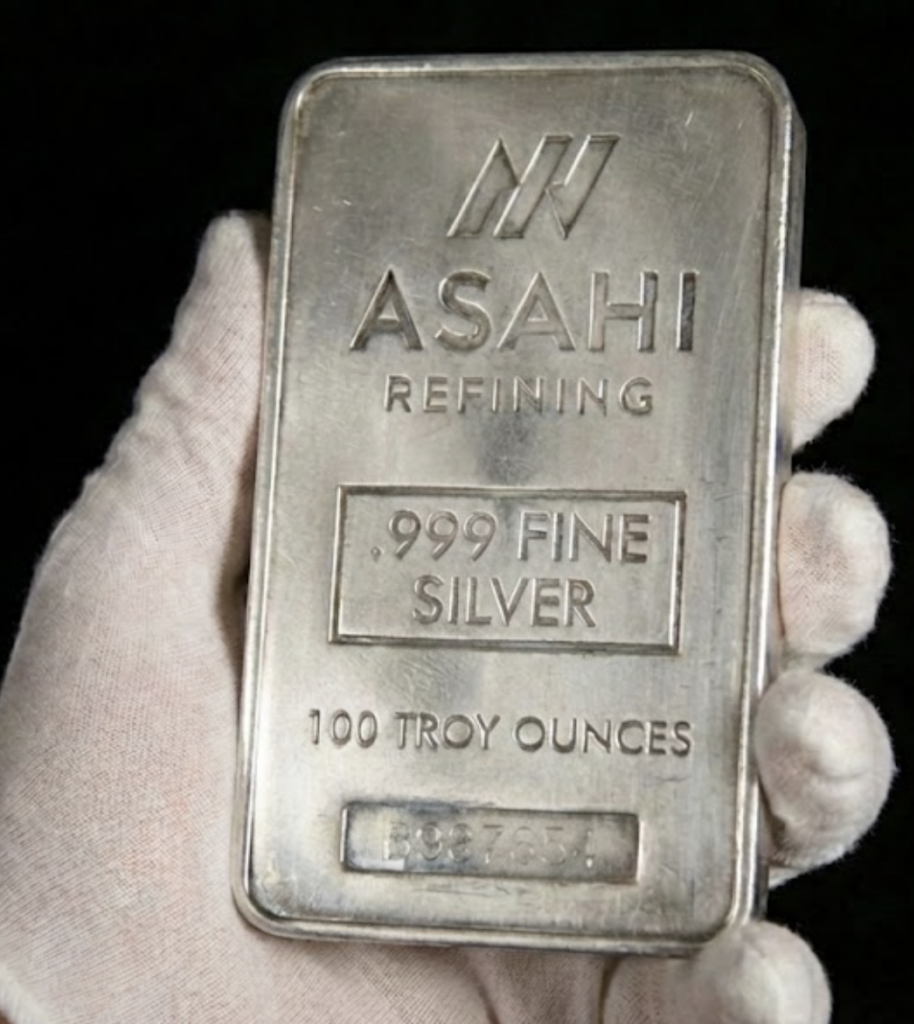
WIN 100 OZ OF SILVER!
Understanding Silver as an Investment Asset
Silver'soccupies a unique position in financial markets as both precious metal and industrial commodity, creating dual demand dynamics that distinguish it from purely monetary metals like gold. Throughout history, silver has served as currency, store of value, and medium of exchange across civilizations from ancient Egypt to modern economies. Today's silver market reflects this dual nature—approximately fifty percent of annual silver demand comes from industrial applications, while the remainder serves investment and jewelry purposes. This industrial component provides fundamental demand support independent of monetary policy or investor sentiment, as manufacturers require silver regardless of its price for applications where no adequate substitute exists.
The investment case for silver rests on several compelling foundations. Silver's historical role as monetary metal and store of value provides inflation protection, as precious metals typically maintain purchasing power when fiat currencies depreciate. The gold-to-silver ratio—currently trading near historical averages around seventy to eighty ounces of silver per ounce of gold—suggests silver remains relatively affordable compared to its monetary metal counterpart. Industrial demand growth, particularly from solar panel manufacturing and electric vehicle production, creates structural tailwinds as the global economy transitions toward renewable energy and electrification. Supply constraints, with primary silver mines declining and most silver production coming as byproduct of base metal mining, limit the market's ability to rapidly increase supply in response to rising demand.
The Path to $100 Silver: Market Dynamics and Catalysts
Silver reaching one hundred dollars per troy ounce would represent a significant milestone, requiring substantial price appreciation from current levels in the thirty-dollar range. However, historical precedent and fundamental analysis suggest this target remains achievable under certain market conditions. Silver briefly touched fifty dollars per ounce in 1980 during the Hunt Brothers' accumulation and again in 2011 during the post-financial crisis precious metals rally. Adjusted for inflation, the 1980 peak would exceed one hundred fifty dollars in today's currency, demonstrating silver's capacity for dramatic price movements during periods of monetary uncertainty or speculative interest.
Several catalysts could propel silver toward the hundred-dollar threshold. Accelerating inflation or currency devaluation would drive investors toward precious metals as wealth preservation vehicles, with silver often attracting proportionally greater inflows than gold due to its lower absolute price and higher volatility. Supply disruptions from major producing regions—particularly Latin America, which accounts for over half of global mine production—could tighten physical markets and drive premiums. Explosive growth in solar panel installation and electric vehicle adoption could push industrial demand beyond the market's supply capacity, as each solar panel contains approximately twenty grams of silver and EVs use two to three times more silver than conventional vehicles. Financial market stress or sovereign debt concerns could trigger safe-haven flows into precious metals, with silver benefiting from both monetary demand and its perception as "poor man's gold" accessible to smaller investors.
Practical Strategies for Silver Investment
Successful can gain silver exposure through multiple vehicles, each offering distinct advantages and trade-offs regarding costs, convenience, and direct ownership. Physical silver—coins, bars, and rounds—provides tangible ownership and eliminates counterparty risk, as you directly possess the metal rather than holding claims on silver owned by others. Government-minted coins like American Silver Eagles, Canadian Maple Leafs, and Austrian Philharmonics carry legal tender status and high recognizability, facilitating future resale. Private mint rounds and bars typically offer lower premiums over spot price, maximizing the amount of silver acquired per dollar invested. Physical ownership requires secure storage, whether home safes, bank safety deposit boxes, or professional vault services, and involves premiums above spot price when purchasing and potential discounts below spot when selling.
Silver exchange-traded funds and exchange-traded products provide convenient exposure without physical possession requirements. Funds like SLV (iShares Silver Trust) and SIVR (Aberdeen Standard Physical Silver Shares ETF) hold physical silver in vaults and issue shares representing fractional ownership, allowing investors to buy and sell silver exposure as easily as stocks. These vehicles eliminate storage concerns and offer high liquidity, but charge annual expense ratios and create counterparty risk, as shareholders own fund shares rather than direct metal ownership. Silver mining stocks and ETFs like SIL (Global X Silver Miners ETF) provide leveraged exposure to silver prices, as mining company profits amplify when silver prices rise, but introduce company-specific risks including operational challenges, management quality, and jurisdiction concerns.
Acquiring and Storing Physical Silver
Purchasing physical silver requires selecting reputable dealers, understanding premiums and pricing, and planning secure storage. Major online dealers like APMEX, JM Bullion, SD Bullion, and Provident Metals offer extensive selections, competitive pricing, and established reputations. Local coin shops provide immediate possession without shipping delays and opportunities to inspect products before purchase, though often at slightly higher premiums. Premiums—the amount above spot price charged for fabrication, distribution, and dealer margins—vary by product type, with government coins carrying higher premiums than generic rounds or large bars. Monitoring premium trends helps identify favorable buying opportunities when premiums compress toward historical lows.
Storage decisions balance security, accessibility, and cost considerations. Home storage provides immediate access and eliminates ongoing storage fees but requires adequate security measures including quality safes, discrete placement, and potentially insurance riders on homeowner's policies. Bank safety deposit boxes offer secure storage at modest annual cost but limit access to banking hours and may face accessibility issues during financial crises when banks close or restrict withdrawals. Professional vault storage through companies like Brinks, Delaware Depository, or specialized precious metals depositories provides maximum security with full insurance, segregated storage options, and regular audits, though at higher annual costs typically ranging from zero-point-five to one percent of metal value annually.
Silver's Role in Portfolio Construction
Strategical advisors and portfolio managers increasingly recognize precious metals' role in diversified portfolios, with silver offering distinct characteristics compared to traditional assets. Modern portfolio theory emphasizes combining assets with low or negative correlations to reduce overall portfolio volatility while maintaining returns. Silver demonstrates low correlation with stocks and bonds over long periods, meaning silver prices often move independently of equity and fixed income markets. During equity bear markets or bond selloffs driven by inflation concerns, silver frequently appreciates, providing portfolio ballast when traditional assets struggle. This diversification benefit justifies allocating a portion of investment portfolios to precious metals despite silver's higher volatility compared to stocks or bonds.
Portfolio allocation to silver depends on individual circumstances, risk tolerance, and investment objectives. Conservative approaches suggest five to ten percent of portfolio value in precious metals overall, with silver comprising one-quarter to one-half of precious metals allocation—roughly one to five percent of total portfolio value. More aggressive precious metals advocates recommend ten to twenty percent in gold and silver combined, particularly for investors concerned about currency devaluation or systemic financial risks. Dollar-cost averaging into silver positions—making regular fixed-dollar purchases regardless of price—reduces timing risk and builds positions gradually without attempting to predict short-term price movements. Rebalancing periodically maintains target allocations, systematically selling portions when silver appreciates significantly and adding when prices decline.
Tax Considerations and Regulatory Framework
Physical silver and silver investments face specific tax treatment that investors must understand for proper planning. The Internal Revenue Service classifies physical precious metals as collectibles, subjecting gains to maximum long-term capital gains rates of twenty-eight percent rather than the preferential fifteen or twenty percent rates applying to stocks and bonds. Short-term gains on silver held less than one year face ordinary income tax rates. This higher tax rate on long-term gains reduces after-tax returns compared to traditional securities, though the diversification and inflation protection benefits may justify the tax cost. Investors should maintain detailed records of purchase prices, dates, and quantities to accurately calculate cost basis when selling.
Certain silver investments receive different tax treatment. Silver ETFs structured as grantor trusts face collectibles treatment identical to physical metal, while some silver mining stocks and ETFs qualify for standard capital gains rates. Individual retirement accounts can hold certain silver products, including American Silver Eagles and other government-issued coins meeting minimum fineness requirements, allowing tax-deferred or tax-free growth depending on IRA type. However, IRA-held precious metals must remain in approved depositories rather than personal possession, and early withdrawals before age fifty-nine and a half trigger penalties. Estate planning considerations include precious metals' inclusion in taxable estates and the step-up in basis for inherited metals, potentially eliminating capital gains tax for heirs.
Industrial Demand and Supply Dynamics
Silver'ss industrial applications create fundamental demand that distinguishes it from purely monetary metals. The electronics industry consumes the largest share of industrial silver, utilizing its superior electrical conductivity in switches, contacts, and circuit boards for everything from smartphones to automobiles to industrial equipment. Solar panel manufacturing represents the fastest-growing industrial application, with photovoltaic cells requiring silver paste for electrical conductivity—each solar panel contains approximately twenty grams of silver. As global solar installation accelerates toward climate goals and renewable energy targets, solar silver demand could double or triple from current levels, potentially consuming fifteen to twenty percent of annual silver supply by the end of the decade.
Medical applications exploit silver's antimicrobial properties, with silver-based compounds used in wound dressings, medical devices, and water purification systems. The automotive industry's electrification drives increasing silver demand, as electric vehicles contain two to three times more silver than conventional vehicles due to additional electrical systems, battery management, and power electronics. Other significant industrial uses include mirrors and glass coatings, brazing alloys and solders, photography (though declining), and catalysts for chemical production. This diverse industrial demand base provides price support, as manufacturers must procure silver regardless of price for applications where substitution proves difficult or impossible.
Supply Constraints and Mining Economics
Silver supply comes primarily from mining operations, with approximately seventy-five percent from primary silver mines and silver-rich polymetallic deposits, and twenty-five percent from recycling. Unlike gold, where mine production can respond relatively quickly to higher prices by developing new deposits, silver faces structural supply constraints. Most silver production occurs as byproduct of base metal mining—lead, zinc, and copper operations where silver appears in ore bodies alongside primary metals. These operations make production decisions based on base metal prices rather than silver prices, meaning higher silver prices alone may not significantly increase supply if base metal prices remain depressed.
Primary silver mining faces challenges including declining ore grades at mature deposits, increasing production costs, and long development timelines for new mines. Major silver-producing regions—Mexico, Peru, China, Australia, and Russia—account for over sixty percent of global mine production, creating geographic concentration risk from political instability, regulatory changes, or operational disruptions. Mine development from discovery to production typically requires seven to ten years and hundreds of millions in capital investment, limiting the industry's ability to rapidly respond to demand growth. Recycling provides marginal supply, primarily from industrial scrap, jewelry, and silverware, but remains price-inelastic in the short term as most silver in end-use applications remains economically unrecoverable.
Historical Price Patterns and Market Cycles
Silver prices exhibit cyclical patterns driven by macroeconomic conditions, monetary policy, and investor sentiment. Major bull markets in silver typically coincide with periods of high inflation, currency devaluation concerns, or financial system stress. The 1970s bull market saw silver rise from under two dollars per ounce to fifty dollars by 1980, driven by persistent inflation, declining dollar confidence, and the Hunt Brothers' accumulation. After decades of decline and consolidation, silver rallied from four dollars in 2001 to forty-nine dollars in 2011 following the financial crisis, quantitative easing programs, and sovereign debt concerns. These historical episodes demonstrate silver's capacity for dramatic appreciation during favorable macro environments.
Bear markets and consolidation periods follow bull market peaks, often lasting years or decades as speculative excess unwinds and prices revert toward production costs. Silver declined from the 1980 peak to four dollars by 2001, a twenty-year bear market that eliminated speculative interest and reduced mining investment. After the 2011 peak, silver fell to fourteen dollars by 2020, consolidating for nine years before the COVID-era rally to thirty dollars. These extended bear markets test investor patience but create accumulation opportunities for long-term holders, as prices eventually bottom near all-in sustaining costs for primary silver miners—typically fifteen to twenty dollars per ounce for most operations.
Volatility and Risk Management
Silver exhibits significantly higher price volatility than gold or traditional financial assets, with annual price swings of thirty to fifty percent not uncommon during trending markets. This volatility stems from silver's smaller market size compared to gold, lower liquidity, dual role as industrial and monetary metal, and greater speculative participation. While volatility creates profit opportunities during bull markets, it also generates substantial drawdowns during corrections—silver fell seventy percent from the 2011 peak to 2020 trough, testing the resolve of even committed precious metals investors. Understanding and accepting this volatility proves essential for successful silver investing, as attempting to trade short-term price movements typically results in poor timing and reduced returns.
Risk management strategies help investors navigate silver's volatility while maintaining exposure to long-term appreciation potential. Position sizing limits silver allocation to levels where even severe drawdowns won't derail overall financial plans—the five to ten percent allocation range ensures precious metals losses remain manageable even during extended bear markets. Dollar-cost averaging smooths entry prices and removes timing pressure, as regular purchases accumulate metal across various price levels rather than concentrating purchases at potentially unfavorable entry points. Long-term holding horizons spanning multiple market cycles allow riding through inevitable corrections without forced selling at depressed prices. Diversification across silver forms—physical metal, mining stocks, ETFs—and other precious metals reduces concentration risk while maintaining overall precious metals exposure.
The Future of Silver Investment
TheSilver's investment outlook reflects the interplay of monetary factors, industrial demand growth, and supply constraints. The monetary environment remains supportive for precious metals, with persistent government deficits, expanding money supplies, and negative real interest rates in many developed economies. Central banks' tolerance for higher inflation to reduce debt burdens in real terms suggests sustained currency devaluation pressures that favor hard assets like silver. Geopolitical tensions and concerns about dollar hegemony drive diversification into alternative stores of value, with silver accessible to investors unable to afford gold's higher absolute price. These monetary tailwinds could persist for years, providing fundamental support for silver prices.
Industrial demand growth, particularly from green energy transition and electrification, creates structural bullish factors independent of monetary conditions. Global solar installation must increase dramatically to meet climate goals, potentially doubling or tripling solar silver demand by 2030. Electric vehicle adoption accelerates worldwide, with major economies setting targets to phase out internal combustion engines by 2035-2040. 5G telecommunications infrastructure, Internet of Things devices, and artificial intelligence hardware all require silver for electrical components. This industrial demand growth occurs against constrained supply, as years of low silver prices discouraged mining investment and new deposit discoveries. The resulting supply deficit—where annual demand exceeds mine production plus recycling—must be filled from above-ground inventories, potentially tightening physical markets and supporting higher prices.
Preparing for the $100 Silver Scenario
Silver reaching one hundred dollars per troy ounce would represent a three-fold appreciation from current levels, generating substantial returns for positioned investors while validating the precious metals thesis. Such a move would likely occur during a broader precious metals bull market driven by inflation concerns, currency devaluation, or financial system stress—conditions that also support gold appreciation and mining stock outperformance. Investors seeking exposure to this potential scenario should build positions gradually during periods of price weakness, maintain discipline through inevitable volatility, and resist the temptation to chase prices during parabolic rallies that often mark bull market peaks.
The SilverTrade 100 oz Silver Giveaway creates unique incentive alignment between participants and the silver bull case—entrants win only if silver reaches the hundred-dollar threshold by June 30, 2026. This conditional structure means every participant shares interest in silver's appreciation, creating a community of silver advocates and investors. Whether silver reaches one hundred dollars depends on factors including inflation trajectories, monetary policy decisions, industrial demand growth, and supply responses. Regardless of the giveaway outcome, understanding silver's role as store of value, inflation hedge, and industrial commodity provides valuable perspective for navigating uncertain economic environments and constructing resilient investment portfolios.
💰 You Made It! Enter Giveaway Below
ENTER TO WIN🏆 Prize
Number of Winners:
1 Grand Prize Winner
Prize:
100 troy ounces of silver
🎉 CONDITION MET:
Silver HAS passed $100! Prize WILL be awarded!
📅 Important Dates
Start Date:
January 22, 2026 at 12:00 AM PST
End Date:
June 30, 2026 at 11:59 PM PDT
Drawing Date:
After June 30, 2026 (Silver passed $100!)
📝 How to Enter
Entry Method:
Submit entry via Gleam.io form
Entry Limit:
One entry per person
Verification:
Must pass email or fraud score check
✅ Eligibility
Location:
US Residents only
Age:
18+ (assumed)
Restrictions:
Void where prohibited by law