The Vinyl Revival: Understanding the Enduring Appeal of Record Players and Physical Music
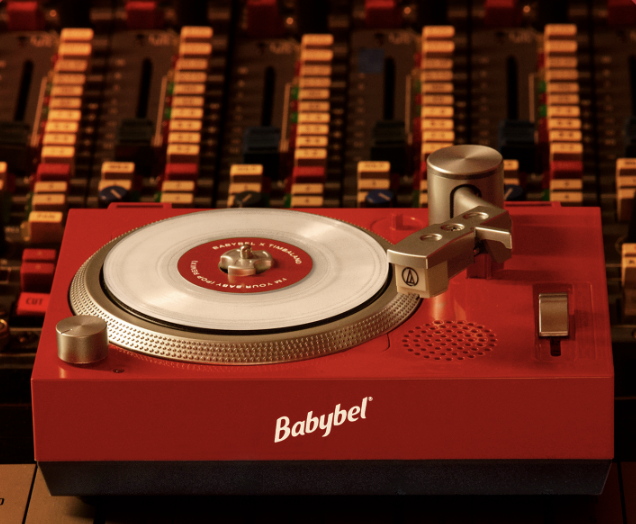
Despite predictions of obsolescence in the digital age, vinyl records and record players have experienced remarkable resurgence, with sales reaching levels unseen since the 1980s. This revival transcends mere nostalgia, reflecting deeper cultural shifts regarding music consumption, authenticity, tangibility, and the listening experience itself. This comprehensive exploration examines the technical characteristics distinguishing vinyl from digital formats, the psychological and social dimensions of physical music collecting, the practical considerations of turntable ownership, and the broader cultural significance of vinyl’s persistence in an increasingly dematerialized world. Plus, enter the Babybel® Mini Wax Tracks Sweepstakes for your chance to win one of 150 mini record players with mini vinyl records!
The Technical Characteristics of Vinyl Playback
Vinyl records store audio information as physical grooves cut into polyvinyl chloride discs, with variations in groove depth and width representing sound waves. During playback, a stylus (needle) traces these grooves, converting physical vibrations into electrical signals amplified and converted to sound. This analog process fundamentally differs from digital audio, where sound is sampled thousands of times per second and stored as numerical data. The debate regarding vinyl versus digital sound quality involves both objective measurements and subjective perceptions, with passionate advocates on both sides.
From purely technical perspectives, digital audio offers superior specifications: wider dynamic range, lower noise floor, no degradation with repeated playback, and perfect channel separation. High-resolution digital files can capture frequencies and dynamics exceeding vinyl’s capabilities. However, vinyl enthusiasts argue that specifications don’t fully capture listening experience. Vinyl’s limitations—slight surface noise, minor wow and flutter, limited dynamic range—paradoxically contribute to its appeal, creating warmth and character that some find more engaging than clinical digital precision.
The “warmth” associated with vinyl partly results from harmonic distortion introduced during cutting, pressing, and playback processes. This distortion, while technically imperfect, often sounds pleasant, adding subtle richness to music. Additionally, vinyl’s physical limitations encourage different mastering approaches. The “loudness wars” affecting digital releases—where dynamic range is compressed to maximize perceived volume—less severely impact vinyl, as excessive compression causes playback problems. Consequently, vinyl releases sometimes feature more dynamic, less compressed masters than their digital counterparts.
The Ritual and Intentionality of Vinyl Listening
Beyond sound quality debates, vinyl’s appeal significantly involves the listening experience itself. Playing records requires deliberate actions: selecting an album, removing it from its sleeve, placing it on the turntable, cueing the stylus, and flipping sides midway through. This ritualistic process contrasts sharply with digital streaming’s effortless access to millions of songs. While convenience favors digital, vinyl’s friction creates intentionality—you must actively choose what to play rather than passively accepting algorithm suggestions or skipping through tracks.
This intentionality encourages deeper engagement with music. When you’ve invested effort in playing an album, you’re more likely to listen attentively rather than treating music as background noise. The album format itself promotes cohesive listening experiences, as artists originally sequenced tracks for continuous playback rather than shuffle mode. Many classic albums feature intentional pacing, thematic development, and transitions lost when songs are heard in isolation. Vinyl’s format naturally preserves these artistic intentions.
The Tangibility and Collectibility of Physical Music
Vinyl records offer tangible, physical objects in an increasingly digital world. You can hold albums, examine cover artwork, read liner notes, and display collections—experiences impossible with streaming playlists or digital files. This physicality satisfies deep human preferences for concrete possessions over abstract access. Ownership psychology research demonstrates that people value things they physically possess more highly than equivalent digital goods, even when functionality is identical. A vinyl collection represents visible investment, curation, and personal identity in ways Spotify libraries cannot.
Album artwork assumes particular significance in vinyl format. The 12-inch square canvas allows detailed, impactful visual art that becomes integral to the album’s identity. Iconic covers—Pink Floyd’s “Dark Side of the Moon,” The Beatles’ “Sgt. Pepper’s,” Nirvana’s “Nevermind”—are inseparable from the music itself. Holding these large-format artworks while listening creates multisensory experiences enhancing musical appreciation. Additionally, many vinyl releases include extras: gatefold covers, printed lyrics, photographs, posters, or colored vinyl variants that transform albums into collectible art objects.
Collecting vinyl develops into serious hobby for many enthusiasts. The hunt for rare pressings, first editions, or specific variants adds game-like elements to music appreciation. Record stores, flea markets, and estate sales become treasure hunts where discoveries feel earned rather than instantly accessed. The vinyl community shares knowledge about pressings, mastering differences, and collecting strategies, creating social dimensions around music consumption. Online forums, local record clubs, and Record Store Day events foster connections among collectors united by shared passion.
Supporting Artists and Local Businesses
Purchasing vinyl often represents more direct artist support than streaming, which pays fractions of pennies per play. While vinyl production costs more than digital distribution, the higher retail prices and better profit margins mean artists receive more substantial compensation per sale. For independent musicians especially, vinyl sales can significantly impact financial sustainability. Many fans consciously choose vinyl purchases as tangible support for artists they value, viewing the premium price as investment in continued creativity.
Vinyl shopping also supports local businesses. Independent record stores serve as community hubs, cultural curators, and music discovery venues. Unlike algorithm-driven recommendations, record store employees offer personalized suggestions based on conversation and expertise. Browsing physical stores enables serendipitous discoveries—stumbling upon unfamiliar albums with intriguing covers or staff recommendations leading to new favorite artists. These human-mediated discovery experiences differ qualitatively from digital recommendation engines.
Practical Considerations for Turntable Ownership
Starting a vinyl collection requires initial investment and ongoing maintenance. Entry-level turntables range from $100-300, with mid-range options $300-1000, and high-end systems exceeding several thousand dollars. Budget turntables suffice for casual listening, though serious enthusiasts eventually upgrade for improved sound quality and features. Essential components include the turntable itself, phono preamp (sometimes built-in), amplifier, and speakers—creating complete systems requires more investment than simply streaming through existing devices.
Turntable selection involves multiple considerations. Belt-drive models offer quieter operation and reduced vibration, while direct-drive designs provide consistent speed and durability preferred by DJs. Manual turntables require lifting and placing the tonearm, offering more control but demanding attention, while automatic models handle these tasks mechanically. Built-in preamps simplify setup but often compromise sound quality compared to external units. Adjustable features like tracking force, anti-skate, and cartridge alignment allow optimization but require learning proper setup procedures.
Vinyl maintenance represents ongoing responsibility. Records accumulate dust and debris affecting sound quality and potentially damaging styluses. Regular cleaning using carbon fiber brushes, microfiber cloths, or wet-cleaning systems preserves playback quality. Proper storage—vertical positioning in climate-controlled environments away from direct sunlight—prevents warping and degradation. Styluses wear with use, requiring periodic replacement (typically every 500-1000 hours). These maintenance requirements demand more involvement than digital formats but become part of the ritual many enthusiasts enjoy.
Building a Vinyl Collection Strategically
New vinyl releases typically cost $20-35, with reissues, used records, and sales offering more affordable options. Strategic collecting involves balancing desire for specific albums with budget constraints. Many collectors focus on particular genres, artists, or eras, creating coherent collections rather than attempting comprehensive coverage. Used record stores, online marketplaces, and estate sales provide opportunities for affordable acquisitions, though condition assessment requires knowledge and careful inspection.
Pressing quality varies significantly. Original pressings sometimes offer superior sound but command premium prices and may show wear. Reissues range from budget releases with mediocre mastering to audiophile editions with meticulous attention to sound quality. Research helps identify which pressings offer best value—online databases, collector forums, and reviews provide guidance. Some labels (Analogue Productions, Music Matters, Mobile Fidelity) specialize in high-quality reissues worth premium prices for serious listeners.
The Cultural Significance of Vinyl’s Persistence
Vinyl’s resurgence reflects broader cultural trends beyond music consumption. In an era of disposable digital content, ephemeral social media, and subscription-based access, vinyl represents permanence, ownership, and tangibility. This counter-trend appears across domains: analog photography’s revival, fountain pen enthusiasm, mechanical watch appreciation, and artisanal craft movements all share similar impulses—valuing process, craftsmanship, and physical objects in increasingly virtual world.
Generational factors influence vinyl’s appeal differently across age groups. Older listeners often feel nostalgia for formats from their youth, reconnecting with music consumption patterns from formative years. Younger listeners, raised entirely in digital era, discover vinyl as novel experience offering qualities absent from streaming—physicality, intentionality, and aesthetic appeal. For these younger collectors, vinyl isn’t nostalgia but discovery of alternative relationship with music and media.
The vinyl revival also intersects with concerns about digital ownership and platform dependency. Streaming services can remove content, change terms, or cease operations, leaving subscribers without access to music they’ve “collected.” Vinyl purchases provide permanent ownership immune to licensing disputes, corporate decisions, or internet connectivity. This security appeals to those wary of relying entirely on corporate platforms for cultural access.
Vinyl as Social Currency and Identity Expression
Record collections serve as visible expressions of personal identity, taste, and cultural capital. Displayed collections communicate sophistication, particular aesthetic sensibilities, or subcultural affiliations. Sharing collections with guests, discussing favorite albums, or bonding over mutual appreciation creates social interactions around music consumption. These social dimensions differ from private streaming experiences, creating opportunities for connection and conversation.
Social media amplifies vinyl’s identity-expression functions. Collectors photograph new acquisitions, share listening sessions, and participate in online communities celebrating vinyl culture. Hashtags like #vinylcommunity and #nowspinning facilitate global connections among enthusiasts. This social dimension transforms solitary listening into shared cultural participation, combining vinyl’s tangible pleasures with digital connectivity’s social benefits.
The Future of Vinyl in Digital Age
Vinyl’s future remains subject to debate. Skeptics view the current revival as temporary trend that will fade as novelty wears off. Optimists see sustainable niche market serving dedicated enthusiasts alongside dominant digital formats. The reality likely falls between extremes—vinyl won’t replace streaming as primary consumption method, but neither will it disappear. Instead, vinyl occupies complementary role, offering distinct experiences and values that digital formats cannot replicate.
Industry developments support vinyl’s continued viability. Major labels maintain vinyl production, new pressing plants have opened to meet demand, and artists across genres release vinyl editions. Record Store Day’s success demonstrates ongoing enthusiasm, with annual events drawing crowds and generating significant sales. Technological improvements in pressing quality and new innovations (like audiophile-grade vinyl formulations) continue advancing the format.
The coexistence of vinyl and digital reflects broader pattern where new technologies don’t completely eliminate predecessors but rather create diverse ecosystems serving different needs and preferences. Just as books persist alongside e-readers, and film photography survives digital dominance, vinyl maintains relevance by offering unique qualities—tangibility, ritual, sound characteristics, and cultural meaning—that resonate with significant audiences despite technical “obsolescence.”
You Made It! Enter the Giveaway Below
Prize Details
- Number of Winners:
- 150 winners
- Prize:
- One (1) mini record player with one (1) mini vinyl record
- Approximate Retail Value:
- $200.00 per prize
- Total ARV:
- $30,000.00
- Prize Delivery:
- Prizes will be mailed to the address provided at entry within 3-5 weeks from the date of completion of the drawing
- Prize Limit:
- One (1) prize per household/mailing address
How to Enter
- Entry Method:
- Visit miniwaxtracks.com and complete the official entry form
- Entry Limit:
- One (1) entry per person, per mailing address, or email address for the entire Sweepstakes Period
- Entry Period:
- January 21, 2026 at 8:00:00 AM CT through February 6, 2026 at 11:59:59 PM CT
- Drawing Date:
- On or about February 13, 2026
- Winner Notification:
- Potential winner will be contacted by email and/or phone following the random drawing
Eligibility & Sponsor
- Eligibility:
- Legal residents of the 50 United States and District of Columbia
- Age Requirement:
- 18 years or older (or age of majority in jurisdiction, whichever is older)
- Sponsor:
- Bel Brands USA, Inc. (Babybel®)
- Administrator:
- Arrowhead Promotion & Fulfillment Co., Inc.
- No Purchase Necessary:
- Purchase will not increase chances of winning