Ultimate Guide to Game Day Hosting: NFL Party Planning and Super Bowl Entertainment Strategies
Game day hosting represents one of America’s most beloved social traditions, bringing together friends, family, and football fans for shared experiences centered around NFL games and especially the Super Bowl. Successful game day parties require strategic planning across multiple dimensions including guest management, menu design, viewing setup optimization, entertainment programming, timing coordination, and atmosphere creation. This comprehensive guide explores evidence-based strategies for hosting memorable game day events, covering invitation strategies, food and beverage planning, television and audio setup, halftime entertainment, betting pools, decoration themes, and post-game cleanup. Plus, enter the Smirnoff We Do Game Days Sweepstakes for your chance to win a trip to Super Bowl LX in San Jose or exclusive limited-edition merchandise!
Strategic Guest List Planning and Invitations
Guest list composition dramatically influences party dynamics, atmosphere, and host workload. Consider space constraints when determining party size—overcrowded spaces create discomfort and viewing challenges, while sparse gatherings lack energy and excitement. A general guideline suggests one to two square feet of space per guest for comfortable mingling, though game day parties require additional consideration for seating arrangements ensuring adequate viewing angles. Balance fan allegiances carefully, as parties dominated by fans of one team may alienate supporters of opposing teams or create uncomfortable dynamics during lopsided games.
Send invitations two to three weeks before game day, providing sufficient notice for guests to arrange schedules while maintaining excitement and anticipation. Digital invitations through email, text, or social media offer convenience and easy RSVP tracking, while traditional paper invitations add formality for special occasions like Super Bowl parties. Request RSVPs with deadlines one week before the event, enabling accurate food and beverage planning. Include essential information: date, time (specify whether guests should arrive before kickoff), address, parking instructions, whether children are welcome, and any special requests like bringing side dishes or beverages. Consider creating Facebook events or group chats facilitating communication, updates, and guest interaction before the party.
Managing Dietary Restrictions and Preferences
Modern game day hosting requires accommodating diverse dietary needs and preferences including vegetarian, vegan, gluten-free, dairy-free, and various allergen restrictions. Include dietary preference questions in invitations, allowing advance planning rather than last-minute accommodations. Design menus incorporating naturally inclusive options—vegetable platters, fruit arrangements, chips with salsa or guacamole, and mixed nuts accommodate most restrictions without special preparation. When preparing traditional game day foods, consider simple modifications: offer both meat and vegetarian chili, provide gluten-free bun options for sliders, or prepare wings with various sauce options including dairy-free versions. Label foods clearly indicating ingredients and potential allergens, preventing awkward questions and ensuring guests with restrictions can confidently select appropriate options.
Game Day Menu Design and Food Preparation
Successful game day menus balance crowd-pleasing favorites with practical preparation considerations, emphasizing foods that can be prepared in advance, served at room temperature or kept warm easily, and eaten without utensils while watching the game. Classic game day foods include chicken wings, sliders, nachos, pizza, chili, dips with chips or vegetables, meatballs, and finger foods. These options accommodate casual eating, require minimal plating, and appeal to broad audiences. Plan approximately eight to ten appetizer pieces per person for parties lasting three to four hours, or six to eight pieces if serving substantial main dishes.
Implement strategic preparation timelines reducing game day stress. Prepare dips, marinades, and sauces one to two days before the party, storing them refrigerated in airtight containers. Chop vegetables, shred cheese, and complete other prep work the day before. On game day morning, assemble dishes requiring baking or slow cooking, timing completion for shortly before kickoff. Keep foods warm using slow cookers, chafing dishes, or warming trays, refreshing platters throughout the game rather than setting out all food simultaneously. Consider dietary variety beyond traditional heavy, fried options—include fresh vegetable platters, fruit arrangements, and lighter options balancing indulgent choices.
Beverage Planning and Service
Beverage planning requires calculating quantities, providing variety, and ensuring convenient service throughout the event. A general guideline suggests two to three beverages per person per hour, though consumption varies based on drink types, weather, and guest preferences. Stock multiple beverage categories: beer (including light, craft, and non-alcoholic options), wine, spirits with mixers, soft drinks, water, and specialty options like sports drinks or energy drinks. Create self-service beverage stations reducing host duties and encouraging guest independence. Use large coolers or beverage tubs filled with ice, clearly labeling contents and providing bottle openers, cups, and napkins nearby.
Optimizing Viewing Setup and Audio Systems
Viewing setup represents the centerpiece of game day parties, requiring careful consideration of television size, placement, seating arrangements, and audio quality. Television size should accommodate viewing distance and guest count—a general guideline suggests dividing viewing distance (in inches) by three to determine minimum screen size. For example, guests sitting ten feet (one hundred twenty inches) away benefit from at least a forty-inch screen, though larger screens enhance the experience. Position televisions at appropriate heights—center of screen should align with viewers’ eye level when seated—and angle screens to minimize glare from windows or lights.
Arrange seating maximizing viewing angles and comfort. Primary seating directly facing the screen accommodates serious fans, while secondary seating at angles suits casual viewers who prioritize socializing. Provide seating variety including couches, chairs, floor cushions, and standing room, accommodating different preferences and comfort levels. Consider multiple viewing areas for large parties—set up secondary televisions in adjacent rooms or outdoor spaces, ensuring all guests can follow the game regardless of location. Test audio systems before guests arrive, adjusting volume levels that allow game commentary without overwhelming conversation during commercial breaks or halftime.
Managing Commercial Breaks and Halftime
Commercial breaks and halftime present opportunities for host duties, guest interaction, and entertainment programming. Use commercial breaks to refresh food platters, refill beverages, collect trash, and check on guests. Halftime offers extended breaks for more substantial activities: conduct betting pool drawings, organize party games or contests, screen highlight reels or commercials, or facilitate team-building activities. Super Bowl halftime shows command significant attention, requiring hosts to ensure adequate audio quality and minimize distractions. Some hosts prefer muting regular season game commentary during commercial breaks, playing background music and encouraging conversation, while others maintain game audio for analysis and commentary discussion.
Creating Atmosphere Through Decorations and Themes
Decorations and themes enhance party atmosphere, creating immersive environments celebrating football culture and team spirit. Team-themed decorations work well for parties supporting specific teams—incorporate team colors through tablecloths, napkins, balloons, and banners. Display team logos, pennants, or jerseys throughout party spaces. For neutral parties or Super Bowl events, use general football decorations: football-shaped serving platters, field-style table runners, referee-striped napkins, or stadium-inspired serving stations. Balance decoration enthusiasm with practicality—excessive decorations may clutter spaces or interfere with viewing and movement.
Consider interactive decoration elements encouraging guest participation. Set up photo booths with football props (helmets, jerseys, foam fingers), creating shareable memories and social media content. Create prediction boards where guests forecast game outcomes, scores, or specific events. Display football trivia questions throughout party spaces, sparking conversation and friendly competition. For Super Bowl parties, many hosts create commercial rating cards, allowing guests to score advertisements and discuss favorites during breaks. Lighting significantly impacts atmosphere—dim overhead lights reducing screen glare while maintaining adequate illumination for food service and movement, or use colored LED lights matching team colors for themed ambiance.
Organizing Betting Pools and Contests
Betting pools and contests add competitive elements enhancing engagement, particularly for guests with limited football knowledge or neutral allegiances. Square pools represent the most popular format: create ten-by-ten grids with one hundred squares, randomly assigning numbers zero through nine to rows and columns after guests select squares. At the end of each quarter, the person whose square corresponds to the last digit of each team’s score wins a portion of the pool. This format requires no football knowledge, as outcomes depend entirely on score combinations. Alternative formats include over/under pools (predicting whether total points exceed or fall below a specified number), prop bet sheets (predicting specific game events like first touchdown scorer or coin toss outcome), or confidence pools (ranking game predictions by confidence level).
Post-Game Cleanup and Guest Departure
Strategic cleanup approaches minimize post-party workload while maintaining hospitality throughout the event. Implement continuous cleaning during the party—collect empty plates and cups during commercial breaks, wipe surfaces, and consolidate trash. Place multiple trash and recycling receptacles throughout party spaces, clearly labeled and easily accessible, encouraging guests to dispose of waste independently. Use disposable or compostable plates, cups, and utensils for large parties, dramatically reducing dishwashing demands. For smaller gatherings or environmentally conscious hosts, real dishes may be preferred despite additional cleanup requirements.
Manage guest departures gracefully, particularly after evening games when some guests may have consumed alcohol. Offer coffee, water, and light snacks as the game concludes, providing sobering time before departures. Have ride-sharing apps ready on your phone, offering to arrange transportation for guests who should not drive. Some hosts collect car keys upon arrival, returning them only when confident guests can drive safely, though this approach requires careful judgment and clear communication. Thank guests for attending, expressing genuine appreciation for their presence. Send follow-up messages the next day thanking attendees and sharing photos or highlights, maintaining relationships and building anticipation for future gatherings.
You Made It! Enter the Giveaway Below
Prize Details
- Grand Prize (1 winner):
- Super Bowl LX trip for 2 to San Jose (ARV: $27,900)
- Trip Includes:
- Roundtrip airfare, 3 days/2 nights hotel, 2 Super Bowl tickets (Feb 8, 2026), $1,500 gift card, $5,400 tax check, limited edition Aleali May jacket
- Merchandise Drop Prizes:
- 21x Football handbags by Kayla Jones ($50 each)
21x Jersey tops by Gavin Mathieu ($50 each)
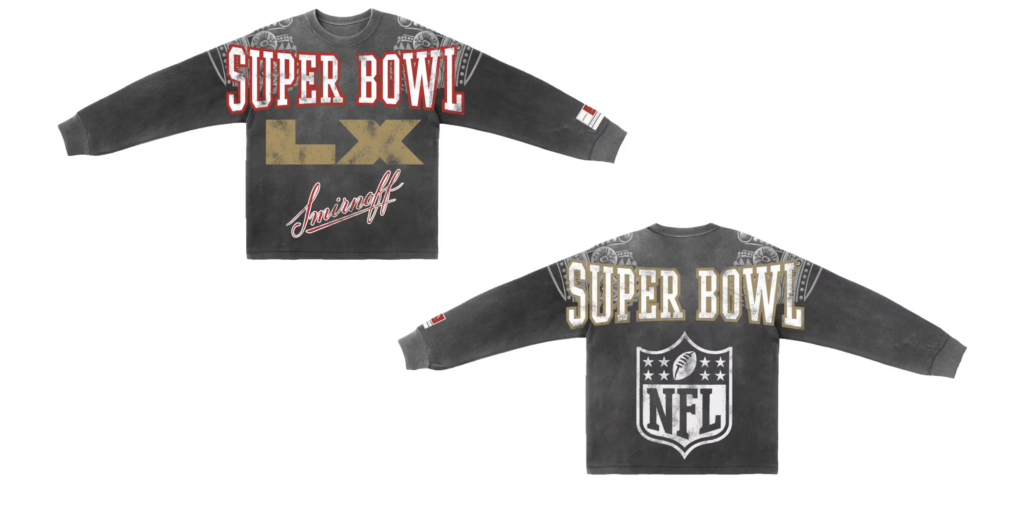
21x Longsleeve tops by Aleali May ($50 each) - Total Winners:
- 64 winners (1 grand + 63 merchandise)
How to Enter
- Entry Method:
- Visit www.smirnoff.com/en-us/join-nfl-sweepstakes and complete entry form
- Entry Limit:
- One entry per person per week (6 total entries max)
- Entry Period:
- December 15, 2025 – January 23, 2026 (11:59:59 PM ET)
- Merchandise Drops:
- Enter between 12:00 PM – 4:00 PM ET on undisclosed dates for merchandise prizes
- Drawing:
- Random drawing by independent administrator
Eligibility & Sponsor
- Eligibility:
- Legal residents of the 50 United States and District of Columbia
- Age Requirement:
- 21 years or older (age verification required)
- Sponsor:
- Smirnoff (Diageo)
- Important:
- This is an alcohol-sponsored sweepstakes. No purchase necessary. Alcohol beverages are NOT part of any prize. Please drink responsibly.