Join the Movement: Celebrating Celiac Awareness Month in May 2023
Are you ready to join the movement and help raise awareness for celiac disease? May is Celiac Awareness Month, and it’s the perfect time to learn about this condition, its symptoms, and how it affects people’s lives. In this article, we’ll discuss the importance of celiac awareness, what celiac disease is, and how you can participate in Celiac Awareness Month. Let’s dive in!
Introduction to Celiac Awareness Month
Celiac Awareness Month is an annual event that takes place every May. Its primary goal is to raise awareness about celiac disease, a condition that affects about 1% of the population worldwide. During this month, individuals, organizations, and communities come together to educate others about celiac disease, its symptoms, and the challenges people face when living with this condition.
It’s important to note that celiac disease is a serious autoimmune disorder that requires a strict gluten-free diet. Without treatment, it can lead to long-term health problems, including malnutrition, anemia, osteoporosis, and even cancer. Unfortunately, many people are undiagnosed or misdiagnosed, which is why celiac awareness is so crucial.
What is Celiac Disease?
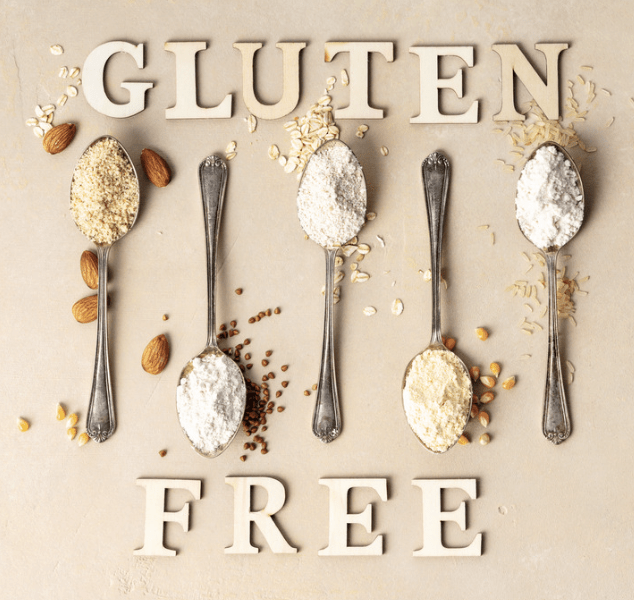
Celiac disease is an autoimmune disorder that damages the small intestine when gluten, a protein found in wheat, barley, and rye, is consumed. When someone with celiac disease eats gluten, their immune system attacks the lining of their small intestine, causing inflammation and damage. Over time, this damage can lead to malabsorption of nutrients and a range of health problems.
Some common symptoms of celiac disease include abdominal pain, bloating, diarrhea, constipation, fatigue, and weight loss. However, some people with celiac disease may not experience any symptoms at all, which makes diagnosis even more challenging. The only treatment for celiac disease is a strict gluten-free diet, which can be difficult to follow but is essential for managing this condition.
The Importance of Celiac Awareness Month
Celiac Awareness Month is essential for educating people about celiac disease and its impact on individuals and families. By raising awareness, we can help people understand the importance of early diagnosis, proper treatment, and the challenges that people with celiac disease face on a daily basis.
Celiac Awareness Month is also an opportunity to advocate for better labeling laws, increased research funding, and improved access to gluten-free foods. By working together, we can create a world where people with celiac disease can live healthy, happy lives without fear of gluten exposure.
Common Food Allergies and Symptoms in Adults
Celiac disease is just one type of food allergy, and there are many others that people may experience. Some of the most common food allergies include peanuts, tree nuts, shellfish, fish, milk, soy, and eggs. When someone with a food allergy consumes the allergen, their body’s immune system reacts, triggering a range of symptoms.
Some common symptoms of food allergies in adults include hives, itching, swelling, nausea, vomiting, diarrhea, and difficulty breathing. In severe cases, food allergies can lead to anaphylaxis, a life-threatening allergic reaction that requires immediate medical attention.
It’s essential to note that food allergies can develop at any age, even if someone has never experienced symptoms before. If you suspect that you have a food allergy, it’s important to speak with your doctor and get tested.
Understanding Food Allergies and Celiac Disease
While celiac disease is not a traditional food allergy, it is still essential to understand how food allergies work and how they can impact someone’s life. For people with celiac disease, a small amount of gluten can lead to serious health problems, making it essential to avoid all sources of gluten.
For people with other food allergies, avoiding allergens can also be challenging, especially when eating out or traveling. It’s important to read food labels carefully, ask questions when dining out, and carry emergency medication if necessary.
How to Participate in Celiac Awareness Month
There are many ways to participate in Celiac Awareness Month, regardless of whether you have celiac disease or know someone who does. Here are some ideas to get you started:
- Share information about celiac disease on social media and use the hashtag #CeliacAwarenessMonth.
- Host a gluten-free potluck with friends or family and share your favorite recipes.
- Donate to a celiac disease research organization or advocacy group.
- Attend a celiac disease support group meeting in your area.
- Speak with your local schools or restaurants about offering gluten-free options.
- Participate in a local celiac awareness walk or fundraising event.
By participating in Celiac Awareness Month, you can help raise awareness about this condition and make a difference in the lives of those who are affected by it.
Celebrating Food Allergy Awareness Week and Month
May is not just Celiac Awareness Month but also Food Allergy Awareness Month, with Food Allergy Awareness Week taking place during the second week of May. This week is an opportunity to raise awareness about all types of food allergies and the impact they have on people’s lives.
During Food Allergy Awareness Week, many organizations hold events, webinars, and educational sessions to help people understand the importance of food allergy awareness. It’s a great opportunity to learn more about food allergies, share information with others, and get involved in the food allergy community.
Resources for Those with Celiac Disease and Food Allergies
If you or someone you know has celiac disease or a food allergy, there are many resources available to help. Here are a few websites and organizations worth checking out:
- BeyondCeliac.org: A non-profit organization dedicated to raising awareness about celiac disease and advocating for better treatment options.
- Food Allergy Research & Education (FARE): A non-profit organization that provides education, advocacy, and support for those with food allergies.
- The Celiac Disease Foundation: A non-profit organization that provides education, advocacy, and support for those with celiac disease and gluten-related disorders.
- Gluten-Free & More: A magazine and website that provides recipes, news, and resources for those following a gluten-free diet.
Supporting Celiac Awareness Month in Your Community
If you’re looking to get more involved in your community, there are many ways to support Celiac Awareness Month. Here are a few ideas:
- Organize a celiac awareness walk or fundraising event in your community.
- Partner with local restaurants to offer gluten-free options or host a gluten-free night.
- Speak with your local schools or workplaces about providing education on celiac disease and gluten-free options.
- Host a gluten-free bake sale or potluck to raise awareness and funds for celiac disease research.
- Share information about celiac disease and gluten-free living with your friends, family, and colleagues.
By getting involved in your community, you can help raise awareness about celiac disease and make a difference in the lives of those who are affected by it.
What’s The Difference Between Crohn’s , Ulcerative Colitis and Celiac Disease?
Crohn’s disease, ulcerative colitis, and celiac disease are all types of inflammatory bowel disease (IBD). While they have distinct differences in terms of symptoms and causes, they share some similarities in terms of how they affect the gastrointestinal tract.
Celiac disease is an autoimmune disorder that is triggered by the ingestion of gluten, a protein found in wheat, barley, and rye. When someone with celiac disease eats gluten, it triggers an immune response that damages the lining of the small intestine. This can lead to a range of symptoms, including diarrhea, abdominal pain, bloating, and weight loss.
Crohn’s disease and ulcerative colitis are both types of IBD that involve chronic inflammation of the digestive tract. Crohn’s disease can affect any part of the digestive tract, from the mouth to the anus, while ulcerative colitis affects only the colon and rectum. Both conditions can cause symptoms such as abdominal pain, diarrhea, and weight loss.
While celiac disease and IBD are separate conditions, there is some evidence to suggest that they may be related. Studies have found that people with celiac disease may have a higher risk of developing IBD, and vice versa. Additionally, both conditions are autoimmune disorders, which means that the immune system attacks healthy cells in the body.
It’s important to note that while there may be some overlap between these conditions, they are distinct and require different treatments. If you are experiencing symptoms such as abdominal pain, diarrhea, or weight loss, it’s important to speak with a healthcare professional to determine the underlying cause and receive appropriate treatment.
Request a Free Bathroom Access Card/ Pass
Request a Free Bathroom Access Card/ Pass here – Having Crohn’s disease or ulcerative colitis (UC) isn’t easy. But knowledge is power. Get helpful emails, hear from others like you, and receive helpful resources—like the Restroom Access Card,* which helps you discreetly ask for access to restricted bathrooms when you have symptoms.
Enter the Freschetta Celiac Awareness Month
Celebrate Celiac Awareness Month in the most delicious way possible with Freschetta! Get ready to indulge in a mouthwatering pizza feast because they’re giving away free pizza coupons to up to 31 lucky winners! To enter, all you have to do is like this post and follow @Freschetta. It’s that simple!
SWEEPSTAKES
No purchase necessary to enter or win. Purchasing will not increase your chances of winning. This exciting Sweepstakes is sponsored by Schwan’s Consumer Brands, Inc. and is open to legal residents of the fifty (50) United States and the District of Columbia, who are 18 years of age or older at the time of entry. Up to thirty-one (31) winners will be chosen at random to receive one (1) Freschetta Pizza free pizza coupon, with an approximate retail value of $11 each.
The Sweepstakes kicks off on 05/18/2023 at 12:01 am CST and wraps up on 5/31/2023 at 11:59 pm CST. So make sure to mark your calendars and enter for a chance to win! The lucky winners will be announced on the Freschetta Pizza Instagram account Stories on or about 6/7/2023. Plus, winners who submit an entry via the alternative method of entry will also be notified via email.
Remember, this incredible Sweepstakes is not sponsored, endorsed, or administered by Instagram. It’s all about Freschetta’s generosity and love for their fans. For more information and complete details, make sure to check out the official rules. Rest assured, Freschetta will only contact you from their official Freschetta Pizza Instagram account.
Don’t miss out on this delectable opportunity to win free pizza coupons and savor the irresistible flavors of Freschetta. Join in the celebration of Celiac Awareness Month and indulge in the pizza experience of a lifetime. Like the post, follow @Freschetta, and get ready to feast!
Enter here: Freschetta Pizza
Conclusion: Join the Movement for Celiac Awareness Month
Celiac Awareness Month is an opportunity to raise awareness about celiac disease, advocate for better treatment options, and support those who are affected by this condition. Whether you have celiac disease, know someone who does, or simply want to make a difference, there are many ways to get involved and join the movement. So let’s work together to create a world where everyone can live healthy, happy lives, free from the challenges of celiac disease and food allergies.
Keep going