Hair loss, also known as alopecia, is a common condition that affects both men and women. It can range from mild hair thinning to complete baldness and can occur gradually over time or suddenly. Hair loss can be caused by various factors, including genetics, hormonal changes, medical conditions, medications, and lifestyle factors. In this comprehensive guide, we will explore the different types of hair loss, their causes, symptoms, diagnosis, and treatment options available.
Understanding Hair Loss in Women and Men
What is Hair Loss?
Hair loss, or alopecia, refers to the excessive shedding of hair from the scalp or other parts of the body. It is normal for humans to lose between 50 and 100 hairs per day as part of the natural hair growth cycle. However, when the balance between hair growth and hair shedding is disrupted, hair loss occurs. Hair loss can be temporary or permanent, depending on its cause.
Hair Growth Cycle
Hair undergoes three main stages of growth:
- Anagen phase (growing phase): This phase lasts between two to eight years, during which 85% to 90% of the hair on your head is actively growing.
- Catagen phase (transition phase): This phase lasts for about two to three weeks, during which hair follicles shrink and the hair growth process slows down.
- Telogen phase (resting phase): This phase lasts for two to four months, during which hair falls out and new hair begins to grow.
Hair on different parts of the body, such as eyelashes, eyebrows, and limbs, has a shorter anagen phase than scalp hair, lasting only about one month.
Types of Hair Loss
There are three main types of hair loss:
- Anagen effluvium: Caused by medications or treatments that poison growing hair follicles, such as chemotherapy.
- Telogen effluvium: Caused by an increased number of hair follicles entering the telogen phase, leading to hair shedding.
- Androgenetic alopecia (female or male pattern hair loss): The most common type, characterized by hair thinning on the top of the head and, in men, around the temples.
Causes of Hair Loss
There are several factors that can cause hair loss, including:
Genetic Factors
Androgenetic alopecia, or hereditary hair loss, is the most common cause of hair loss in both men and women. It is caused by a combination of genetic and hormonal factors. In men, hair loss typically begins at the temples and progresses to the crown, while in women, it usually starts as a widening of the part and thinning on the top of the head.
Hormonal Changes
Hormonal changes, such as those experienced during pregnancy, childbirth, menopause, and polycystic ovary syndrome (PCOS), can lead to hair loss in women. In men, hormonal changes related to aging can also contribute to hair loss.
Medical Conditions
Various medical conditions can cause hair loss, including:
- Alopecia areata: An autoimmune skin disease that causes patchy hair loss on the scalp and other parts of the body.
- Tinea capitis: A fungal infection of the scalp that causes scaly, itchy bald patches.
- Thyroid disorders: Both hypothyroidism (underactive thyroid) and hyperthyroidism (overactive thyroid) can lead to hair loss.
Medications and Treatments
Certain medications and treatments can cause hair loss, including:
- Chemotherapy and radiation therapy for cancer
- Blood pressure medications
- Anticoagulants
- Gout medications
- High doses of vitamin A
- Hormonal birth control pills
Nutritional Deficiencies
A lack of essential nutrients, such as iron, zinc, and certain vitamins, can contribute to hair loss. Rapid weight loss and restrictive diets can also lead to hair shedding.
Hairstyling and Chemical Treatments
Hairstyles that pull on the hair, such as tight ponytails and braids, can cause a type of hair loss called traction alopecia. Overprocessing the hair with chemical treatments, such as coloring, bleaching, and perming, can also lead to hair breakage and loss.
Physical and Emotional Stress
Extreme physical or emotional stress, such as surgery, illness, or the death of a loved one, can cause temporary hair loss known as telogen effluvium.
Symptoms of Hair Loss
The symptoms of hair loss can vary depending on its cause and type. Some common signs include:
- Increased hair shedding on your brush, pillow, shower, or sink
- Noticeable thinning or bald patches on the scalp
- A widening part on the top of the head
- Scalp visibility through the hair
- Smaller ponytails (for those who wear their hair up)
- Hair breakage
Diagnosing Hair Loss
To diagnose hair loss, a healthcare provider will typically perform a physical examination and take a detailed medical history. They may also perform the following tests:
- Gentle hair pull test to determine the extent of hair shedding
- Blood tests to check for nutrient deficiencies, hormone levels, and thyroid function
- Scalp examination under a microscope and trichoscopy
- Scalp biopsy to examine a small piece of scalp skin
Treatment Options for Hair Loss
The treatment for hair loss depends on its cause and type. Some possible treatment options include:
Medications and Supplements
- Minoxidil (Rogaine): An FDA-approved topical solution for treating female and male pattern hair loss. It must be used consistently and according to directions for optimal results.
- Finasteride (Propecia): A prescription medication for treating male pattern hair loss, taken daily to slow hair loss and potentially promote regrowth.
- Corticosteroids: Anti-inflammatory medications prescribed for hair loss related to autoimmune conditions, such as alopecia areata.
- Nutritional supplements: In cases of hair loss due to nutritional deficiencies, supplements containing vitamins and minerals, such as iron, zinc, and biotin, may be recommended.
Hair Transplant Surgery
Hair transplant surgery involves moving small pieces of scalp with hair follicles from the back of the head to the areas of baldness. This procedure can be effective for people with inherited baldness, but may require multiple sessions and is not suitable for everyone.
Platelet-Rich Plasma (PRP) Therapy
PRP therapy involves injecting concentrated platelets from the patient’s blood into the scalp to stimulate hair growth. This treatment is still being researched and may not be suitable for all types of hair loss.
Microneedling
Microneedling involves using a device with tiny needles to create microscopic injuries on the scalp, promoting collagen production and hair growth. This treatment can be performed alone or in combination with minoxidil application.
Laser Therapy
Low-level laser therapy devices, such as laser combs, helmets, and caps, have been FDA-approved for treating female pattern hair loss. These devices emit low levels of light energy, stimulating hair growth by increasing blood flow to the hair follicles.
Lifestyle Changes and Hair Care Tips
- Avoid tight hairstyles and harsh chemical treatments that can damage hair follicles
- Maintain a healthy, balanced diet rich in essential nutrients for hair growth
- Be gentle when washing, drying, and styling your hair to prevent breakage
- Consider using volumizing hair products and hairstyles that create the appearance of fuller hair
Preventing Hair Loss
While not all causes of hair loss can be prevented, some steps can be taken to minimize the risk:
- Maintain a healthy, nutrient-rich diet
- Avoid tight hairstyles and chemical treatments that can damage hair
- Practice gentle hair care habits, such as patting hair dry and using a wide-tooth comb
- Manage stress through relaxation techniques, exercise, and seeking support when needed
When to See a Healthcare Provider
If you notice any signs of hair loss, it is essential to consult a dermatologist or primary care doctor as soon as possible. Early diagnosis and treatment can help improve the chances of reversing or slowing down hair loss.
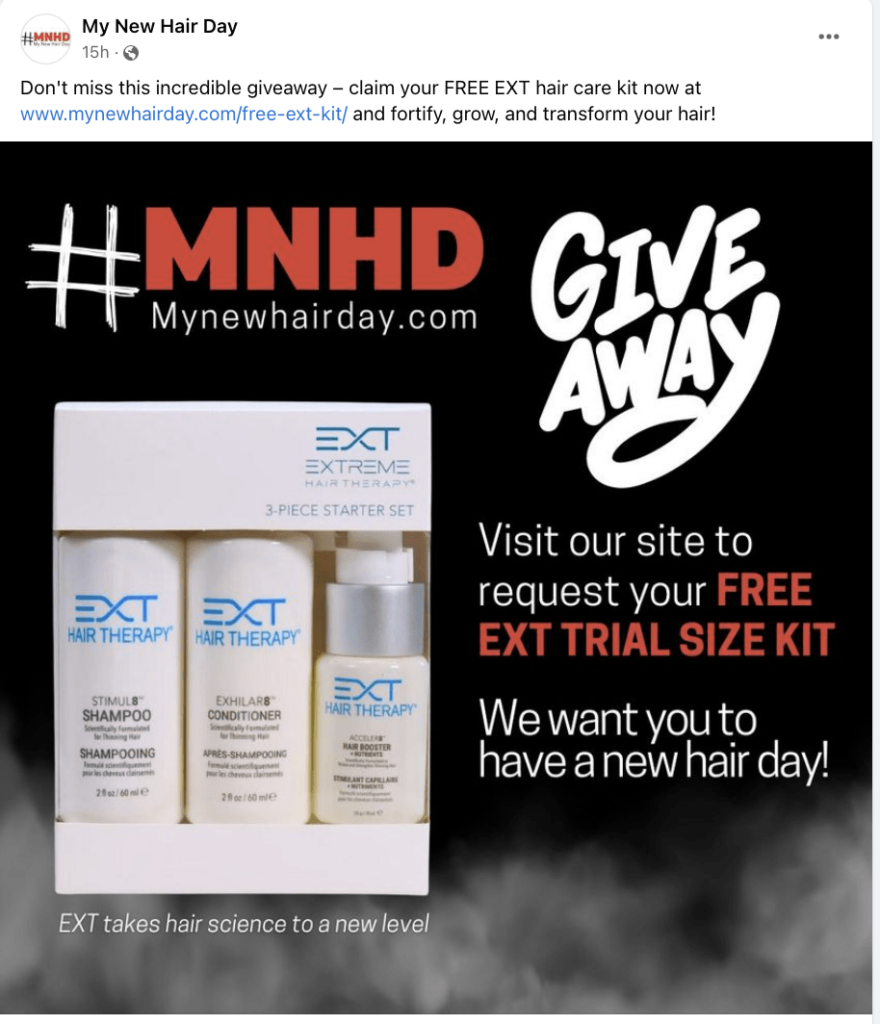
Free EXT Shampoo & Conditioner Set for Hair Loss
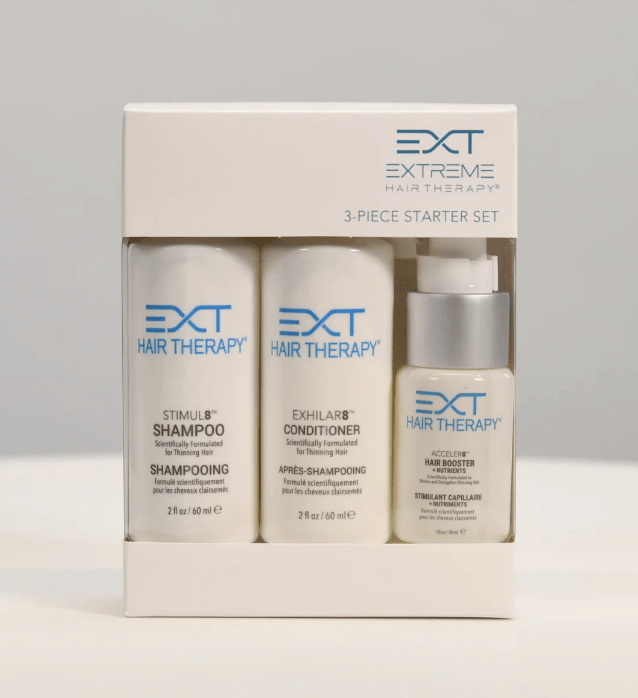
EXT is a hair loss treatment that claims to help regrow hair and prevent further hair loss. It is a topical treatment that is applied to the scalp. EXT contains a blend of ingredients that are said to help improve hair growth, including minoxidil, biotin, and saw palmetto.
You can request a FREE EXT Shampoo & Conditioner Set ! The EXT trial size kit contains a small bottle of the EXT hair loss treatment, as well as a shampoo and conditioner. The kit is free to request, but you will be required to provide your name, email address, and mailing address. Once you have requested the kit, it will be shipped to you within a few days.
Conclusion
Hair loss can be a distressing condition for both men and women, affecting appearance, self-esteem, and social life. However, with proper diagnosis and treatment, it is possible to manage and even reverse hair loss in many cases. If you are experiencing hair loss, seek medical advice from a healthcare professional to determine the best course of action for your specific situation.