Product Testing Checklist: From Application to Review
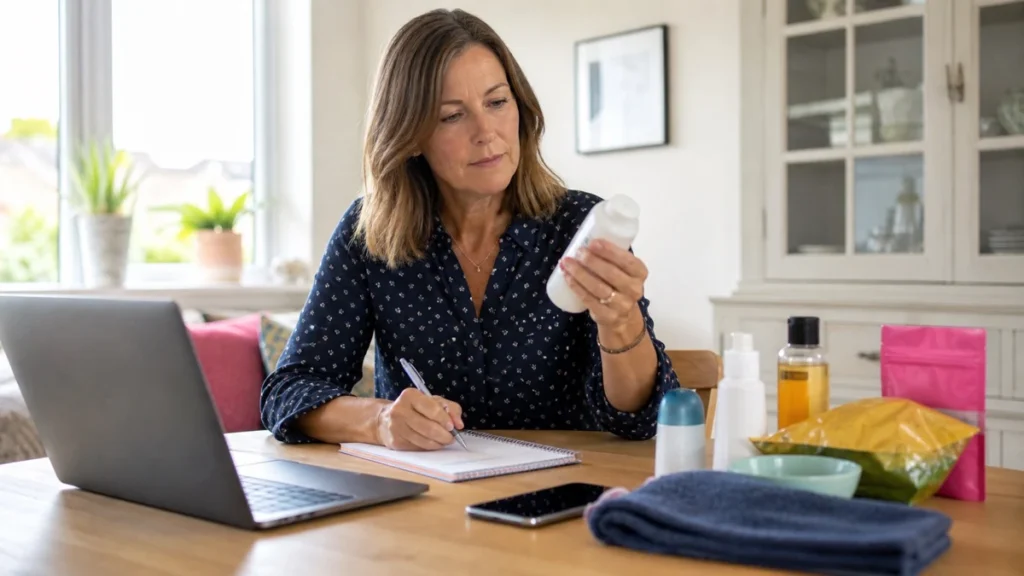
Check the cost, tasks, deadline and content permissions before accepting. Then keep the instructions and your own observations together so you can finish without a last-minute scramble.
A free product can be a useful way to try something your household needs. Product testing also comes with a job to complete: follow the campaign instructions and provide feedback based on actual use. The package is only one part of the opportunity.
This checklist is for deciding whether a campaign fits your schedule and completing it well. It does not promise selection or a free product. If you are still choosing a service, Freebie Mom’s product-testing program guide compares the main types of programs.
First, find out what stage you are in
A signup, an invitation to apply and a selection notice are different things. Keep the actual selection confirmation before expecting a shipment. An application can ask detailed questions even when only a small number of people will receive products.
For example, BzzAgent describes a process involving a current profile, an emailed invitation, an application and a separate selection confirmation. Its posting instructions explain the required activities. The company says invitations and selection are not guaranteed, and its campaign links are intended for invited members rather than for sharing publicly. Read BzzAgent’s process.
Use your real household information and keep it current. A campaign for a pet product, an appliance or a particular clothing size needs an appropriate match. An accurate application helps you avoid accepting something you cannot reasonably use or evaluate.
Make an “applications” folder separate from your “selected campaigns” folder. This small distinction prevents you from treating every form submission as a missing delivery. If a program does not specify when it will respond, avoid inventing a shipping date for yourself.
Check what “free” means for this campaign
Read the offer through to the task and fulfillment details. A shipped sample, a purchase reimbursed later, a coupon for an item and a creator collaboration can all involve a product, but they create different responsibilities.
- Product: What exact item, size or version is included?
- Delivery: Is shipping covered for your address?
- Purchase: Must you buy the item first, use a particular retailer or retain a receipt?
- Reimbursement: If applicable, what is the maximum, submission deadline and payment method?
- Tasks: Is the requirement a private survey, public review, photo, video or several activities?
- Afterward: Can you keep the product, or does the campaign require a return?
If the offer requires a purchase, work out the amount you must pay before any reimbursement. Include shipping, tax or other costs only as the campaign specifically covers them. If the terms leave an essential cost unclear, ask the program before accepting.
A product that does not fit your household is not automatically valuable because its retail price is high. Consider storage space, setup, the required testing period and whether you already own something that does the job. Passing on a poor fit leaves more time for a campaign you can complete properly.
Make a simple campaign card
As soon as you are selected, create one private note for the campaign. Save the selection email and instructions, then record the product name, expected delivery information, task deadline and support contact. Use the sponsor’s actual dates rather than a date copied from another person’s experience.
List each required task on its own line. A review on a retailer website, a campaign survey and a photo upload can be separate assignments. Marking the product “reviewed” does not necessarily finish all three.
Selected on → Product / size → Delivery status → Required tasks → Deadline → Posting instructions → Content permissions → Submitted / confirmation
Give yourself a reminder before the deadline, allowing enough time to use the product as directed. Do not wait until the last evening to discover that a review portal requires an account or that your image file will not upload.
When the package arrives, check that it matches the campaign. Photograph damage or a wrong item for the program’s support team. If a delay prevents you from meeting the schedule, contact the program promptly and ask what to do. Do not write a review of an item you have not received.
Collect useful observations while using the product
Take short notes during normal use rather than trying to remember everything at the end. Record the setup, what you used it for, what you liked and any difficulty. Concrete observations make a review more useful than a list of promotional adjectives.
For a storage container, you might note whether the lid is easy to open, whether the size fits your shelf and how cleaning went. For clothing, you could describe fit and care using your own experience. These are examples of observation categories, not suggested claims to copy into a review.
Follow the product’s directions and the campaign’s testing instructions. Do not create a risky demonstration for a dramatic photo. If an item arrives with missing instructions or seems unsuitable for you, contact the program rather than improvising.
Keep photos simple: use good light, a clean background and an angle that shows the feature you are discussing. Check for address labels, children’s school information and other personal details before uploading. Freebie Mom also has a guide to product-review photos.
Write an honest review and finish every task
Explain what you actually tried, who or what it suited, and what you would want to know before buying. If something did not work for you, describe the experience clearly. Receiving a free item does not require giving it an automatic five-star rating.
BzzAgent explicitly asks for honest opinions, including negative experiences, and disclosure that the product was supplied. Follow your campaign’s posting instructions and make the free-product relationship clear alongside a public review. Do not present a supplied item as a purchase you made yourself. BzzAgent review guidance.
Check content permissions before joining a creator campaign. Read whether the brand can reuse photos or videos, where it can use them, how long your post must stay live and whether there are additional restrictions. Save the terms you accepted so you can refer back to them.
After submitting, check the campaign dashboard or confirmation email. Save the completion confirmation in your private note and mark each task finished. If one task still shows incomplete, investigate that specific step instead of reposting everything.
Keep the routine manageable
Start with a number of campaigns you can realistically complete. Include the time needed to apply, read instructions, use the product, take any required photos and submit feedback. The time commitment is part of deciding whether a test is worthwhile.
After your first campaign, review your notes. Did the product suit you? Were the tasks clear? Did it arrive when expected? Would you volunteer for a similar test again? Your own answers will help you choose better opportunities.
If you prefer a reward for an eligible survey rather than a product-review assignment, Opinion Outpost is an optional affiliate signup to explore. Its rewards page describes points for completed surveys; qualification and available rewards vary. See its reward information. Freebie Mom may earn a commission through that signup link.
Keep product testing enjoyable by choosing useful items and finishing the commitments you accept. A well-organized application and review routine is valuable even when invitations are occasional.
Checked November 6, 2026. Campaign-specific instructions and current program terms control. Freebie Mom does not select testers or fulfill products.
Keep going